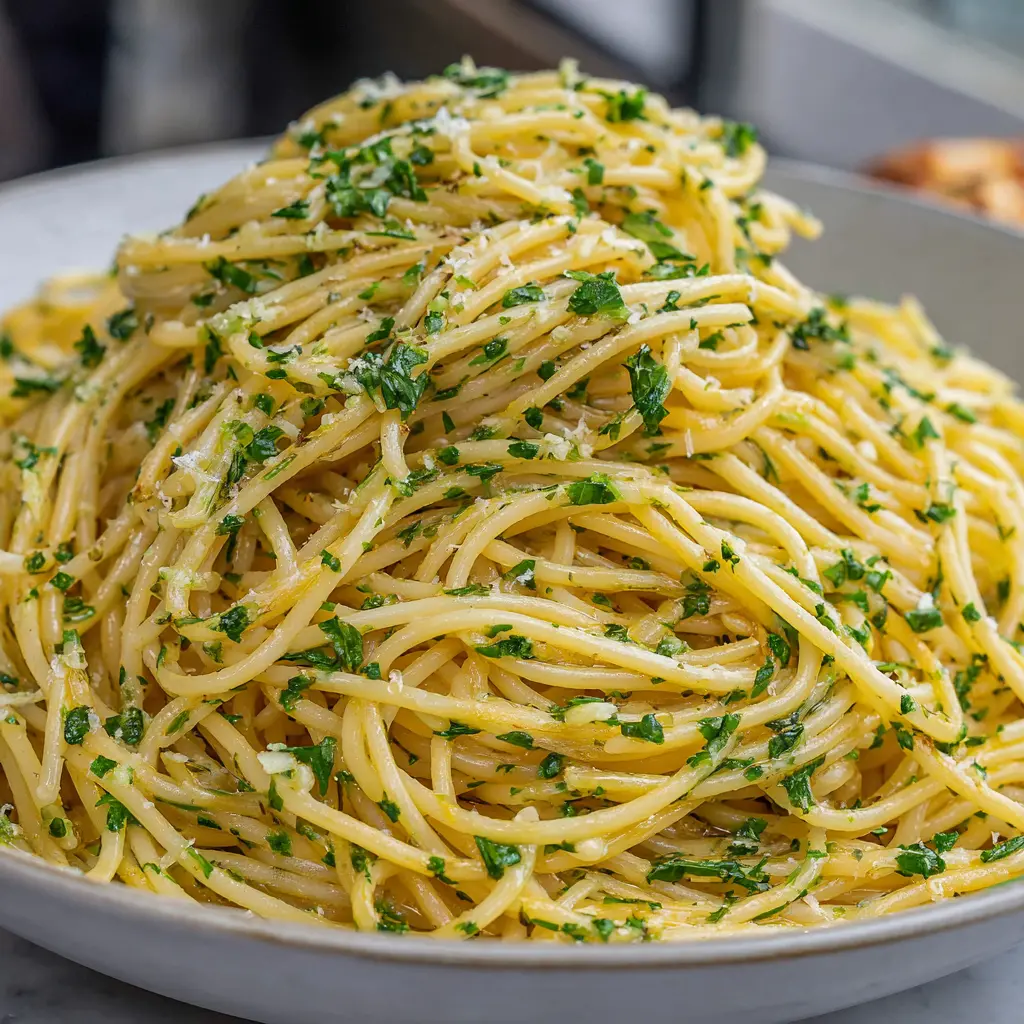
Why This California Pasta Aglio e Olio Works
You know that feeling. You come home starving, tired, and staring at a pantry that seems to have nothing but a box of spaghetti, a head of garlic, and a bottle of olive oil. I’ve been there more times than I can count. And every single time, this is the dish that saves the night.
This isn’t just any pasta aglio e olio. It’s the one I turn to when I need something that feels special but takes almost no effort. The secret? A bright California twist with a Meyer lemon and a really good Napa Valley olive oil. The lemon adds this subtle floral note that cuts through the rich garlic and oil, making the whole thing taste lighter and more vibrant. It’s still that classic garlic and oil pasta, but with a little something extra.
Seriously, this is 15 minutes start to finish. Maybe 20 if you’re moving slow. And the technique for getting that silky, emulsified sauce? I promise it’s easier than it sounds. Once you get it, you’ll never look at a box of spaghetti the same way again.
Ingredients You’ll Need
The beauty of an aglio e olio recipe authentic to its roots is the short ingredient list. But every single one matters. Here’s what you need and why.
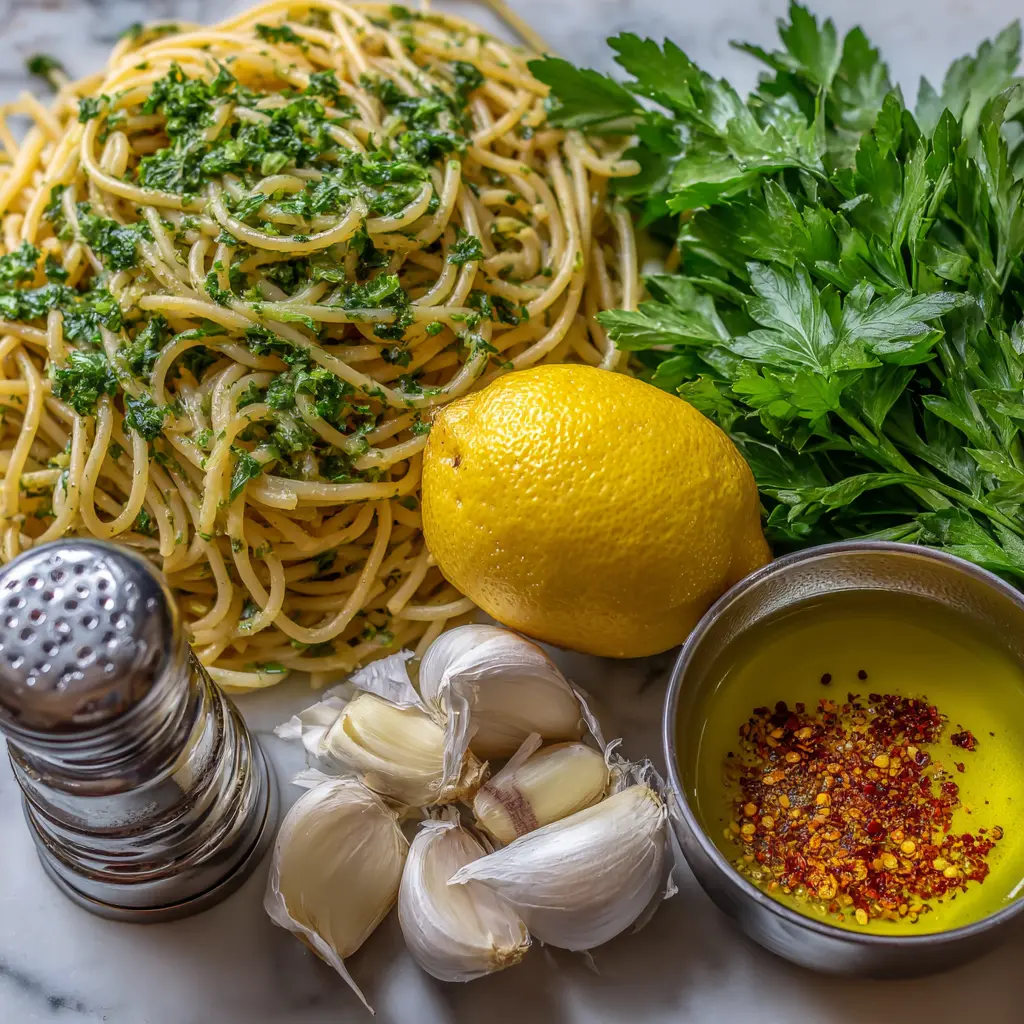
- Spaghetti (1 pound): The classic choice. The long strands are perfect for catching that garlicky oil. But honestly, any long pasta works. I’ve used linguine and bucatini in a pinch.
- Garlic (8 cloves, thinly sliced): This is the heart of the dish. Thin slices, not minced. They infuse the oil gently and become these soft, sweet little morsels. If you mince it, it burns faster.
- Extra-Virgin Olive Oil (6 tablespoons): Splurge here. This is the sauce. A good-quality oil from somewhere like Napa Valley makes a huge difference. It’s fruity, peppery, and carries the whole dish.
- Red Pepper Flakes (2 teaspoons): For that gentle warmth. Adjust to your heat tolerance. I like a good kick, but start with less if you’re sensitive.
- Meyer Lemon (1, juiced): The star of this version. Meyer lemons are sweeter and less acidic than regular ones. They add a brightness that’s just… perfect. If you can’t find one, a regular lemon works fine. Just use a little less juice.
- Flat-Leaf Parsley (1 bunch): For freshness and color. Chop it up and toss it in. Save a little for the top.
- Kosher Salt & Freshly Ground Black Pepper: To season everything. Don’t skimp on the salt in the pasta water. It’s your only chance to season the pasta itself.
- Reserved Pasta Water (about 1/2 cup): The magic ingredient. The starch in this water is what creates that creamy, emulsified sauce that clings to every strand.
That’s it. No cream, no butter, no complicated sauces. Just a few pantry staples that come together in a way that feels almost like alchemy.
Step-by-Step Instructions
Okay, let’s get cooking. The key here is timing. You want the pasta and the sauce to finish at the same moment so you can toss them together while everything is hot. Trust the process.
Stage 1: Get the Pasta Going
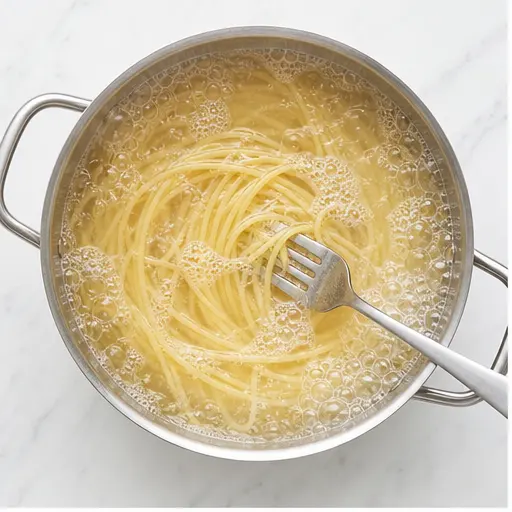
Bring a large pot of water to a rolling boil. And I mean a rolling boil. Add a generous amount of salt, about a tablespoon. It should taste like the sea. Then add your spaghetti. Cook it until it’s al dente, about 8 to 10 minutes, or follow the package directions. While it’s cooking, you start the sauce.
Stage 2: The Gentle Sizzle
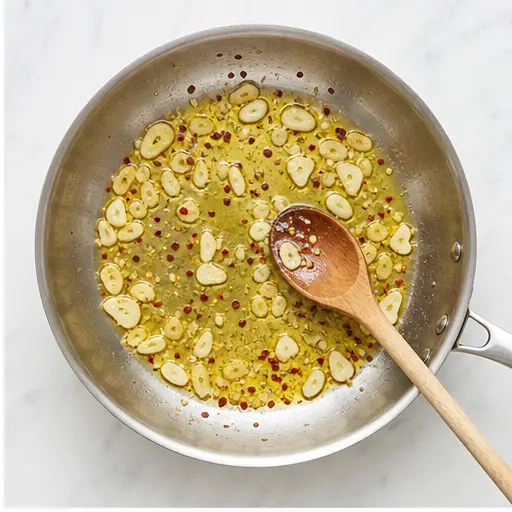
While the pasta cooks, heat the olive oil in a large skillet over medium-low heat. This is the most important part. You want the oil warm, not screaming hot. Add the sliced garlic and the red pepper flakes. Cook them gently, stirring often, until the garlic is fragrant and just barely turning a pale gold. This takes about 2 to 3 minutes. The moment it starts to brown, you’re in trouble. Burnt garlic is bitter and will ruin the whole dish.
Stage 3: Create the Emulsion
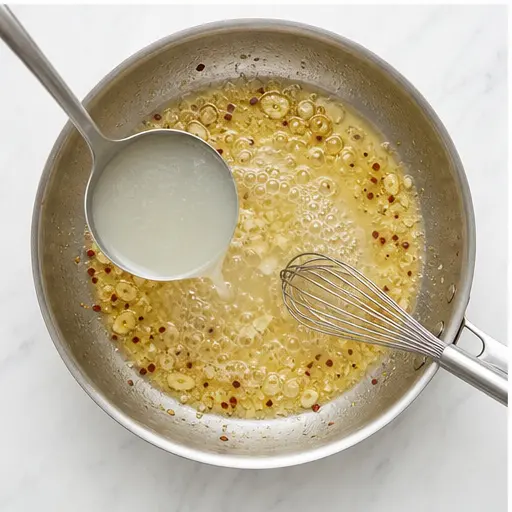
Just before the pasta is done, scoop out about 1 cup of that starchy pasta water. Pour about 1/4 cup of it into the skillet with the garlic and oil. Add a pinch of salt and let it simmer gently for 1 minute, stirring to combine. This is where the magic starts. The starch in the water binds with the oil, creating the beginnings of a silky sauce. It might look a little broken at first, but don’t worry.
Stage 4: Toss and Finish
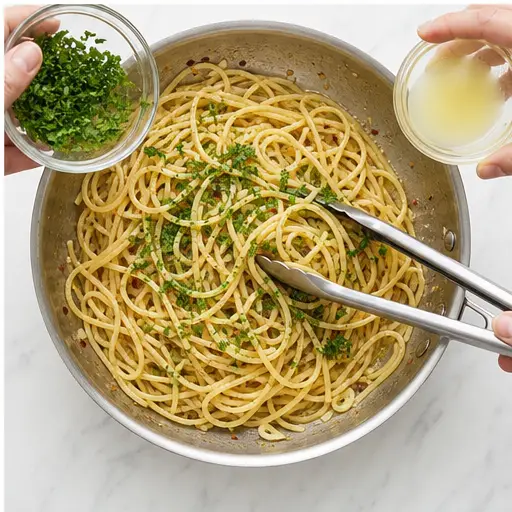
Drain the spaghetti. Do not rinse it. You want all that starch on the pasta. Add it directly to the skillet. Sprinkle in the chopped parsley and squeeze in the juice of the Meyer lemon. Now, toss everything together vigorously. Use tongs or two forks. Add more pasta water a little at a time, tossing constantly, until the sauce becomes creamy and emulsified and coats every strand evenly. Taste and adjust with salt and pepper. Serve immediately, garnished with more parsley and a final drizzle of olive oil.
Tips for a Perfect Emulsion
The emulsion is the whole game. It’s what separates a good pasta aglio e olio from a great one. Here’s how to nail it every time.
The Science of the Sauce
Why it works: Pasta water is full of starch. When you add it to the oil and garlic, the starch acts as an emulsifier. It helps the oil and water combine into a smooth, creamy sauce instead of separating. The vigorous tossing you do at the end is what pulls it all together. Think of it like making a vinaigrette, but with hot pasta.
- Use the right amount of pasta water: Start with 1/4 cup and add more as you toss. You want the sauce to be fluid enough to coat the pasta, but not watery. It should look glossy and cling to the strands.
- Don’t rush the garlic: Low and slow is the way. If you crank the heat, the garlic burns before it has a chance to infuse the oil. You’ll end up with bitter, crunchy bits instead of soft, sweet ones.
- Toss, toss, toss: The action of tossing is what creates the emulsion. Don’t just stir. Lift the pasta and flip it over itself. This aerates the sauce and helps it cling.
Variations to Try
Once you’ve mastered the basic how to make aglio e olio, you can start playing around. Here are a few ideas, but remember, the base recipe is already perfect. These are just for when you want to switch things up.
- Add Shrimp: Sear some shrimp in the skillet before you start the garlic. Remove them, then proceed with the recipe. Add them back in at the end with the parsley. It turns this into a heartier meal.
- Add Vegetables: Toss in some blanched broccoli, asparagus, or spinach at the end. The garlic oil coats them beautifully.
- Use Different Herbs: If you don’t have parsley, skip it. Nobody will know. Or try fresh basil for a different flavor profile. A few torn leaves at the end are lovely.
- Make it a Creamy Aglio e Olio: Some people like to add a dollop of the starchy pasta water and a little bit of the oil blended together to create a creamier sauce. It’s not traditional, but it’s delicious.
Common Mistakes to Avoid
I’ve made every single one of these mistakes. Learn from my failures.
- ❌ Burning the garlic: This is the number one mistake. Burnt garlic is bitter and ruins the dish. ✅ Solution: Cook the garlic over medium-low heat and watch it like a hawk. The moment it turns pale gold, you’re good. If it starts to brown, pull the pan off the heat.
- ❌ Not using high-quality olive oil: Since the oil is the sauce, using a cheap, bland oil will give you a bland dish. ✅ Solution: Use a good extra-virgin olive oil. It doesn’t have to be the most expensive, but it should taste fruity and peppery.
- ❌ Not reserving enough pasta water: You need that starch to create the emulsion. ✅ Solution: Always scoop out at least a cup before you drain the pasta. You might not use it all, but it’s better to have too much than too little.
- ❌ Overcooking the pasta: Mushy pasta is sad pasta. ✅ Solution: Cook it al dente. It will continue to cook a little in the sauce, so pull it a minute early.
Storage and Reheating
This Italian garlic pasta is best eaten immediately. Seriously, don’t let it sit. The sauce is at its peak right after you toss it. But if you have leftovers, here’s what to do.
Store the pasta in an airtight container in the fridge for up to 2 days. When you reheat it, do it gently. Add a splash of water or broth to a skillet, then add the pasta. Toss it over medium-low heat until it’s warmed through. The sauce might not be as silky as it was fresh, but it’ll still be tasty. Avoid the microwave, it makes the pasta rubbery.
Frequently Asked Questions
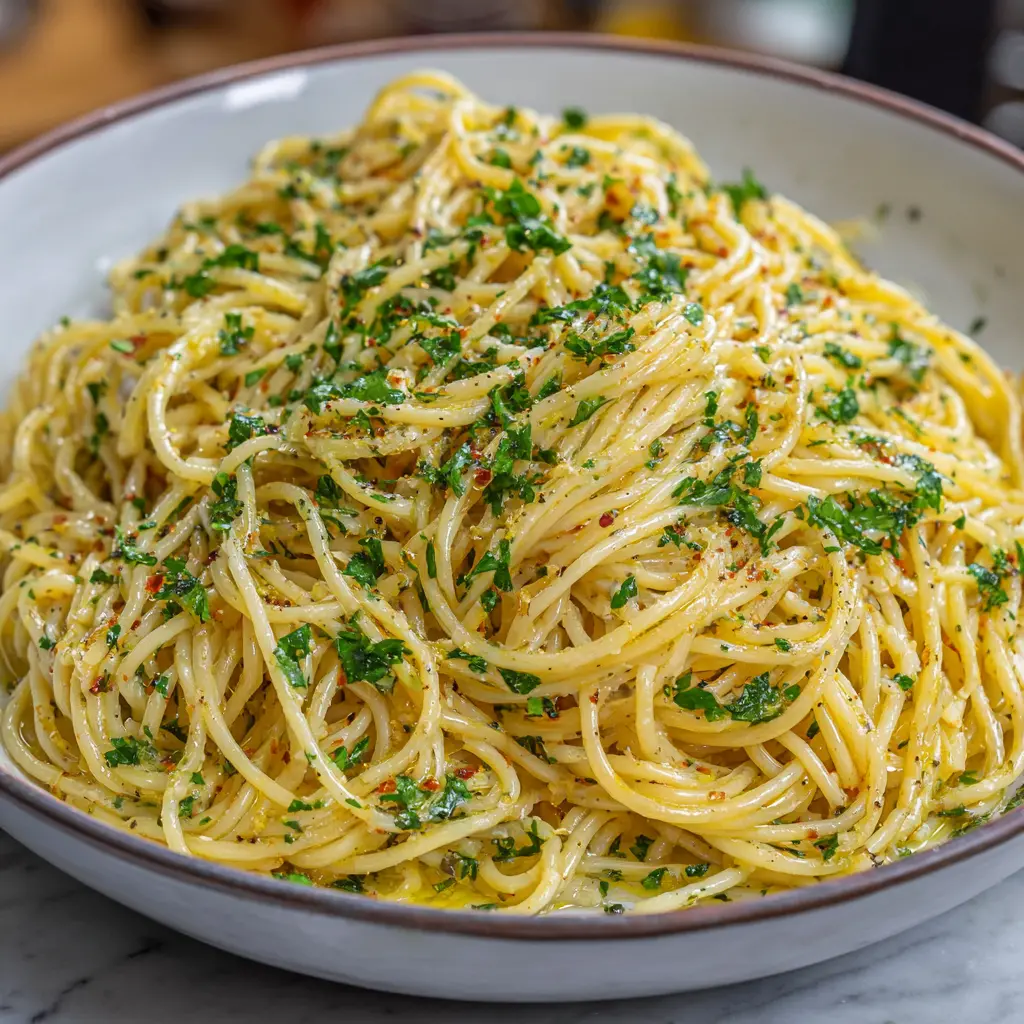
When you take that first bite of this pasta aglio e olio, you’ll realize this is going to be your go-to. It’s the kind of dish that feels like a secret weapon. Simple, fast, and absolutely packed with flavor. Go make it. You’ve got this.
If you loved this recipe, I’d be so grateful if you shared it on Pinterest! It helps other home cooks find it too. Pin this recipe for later.
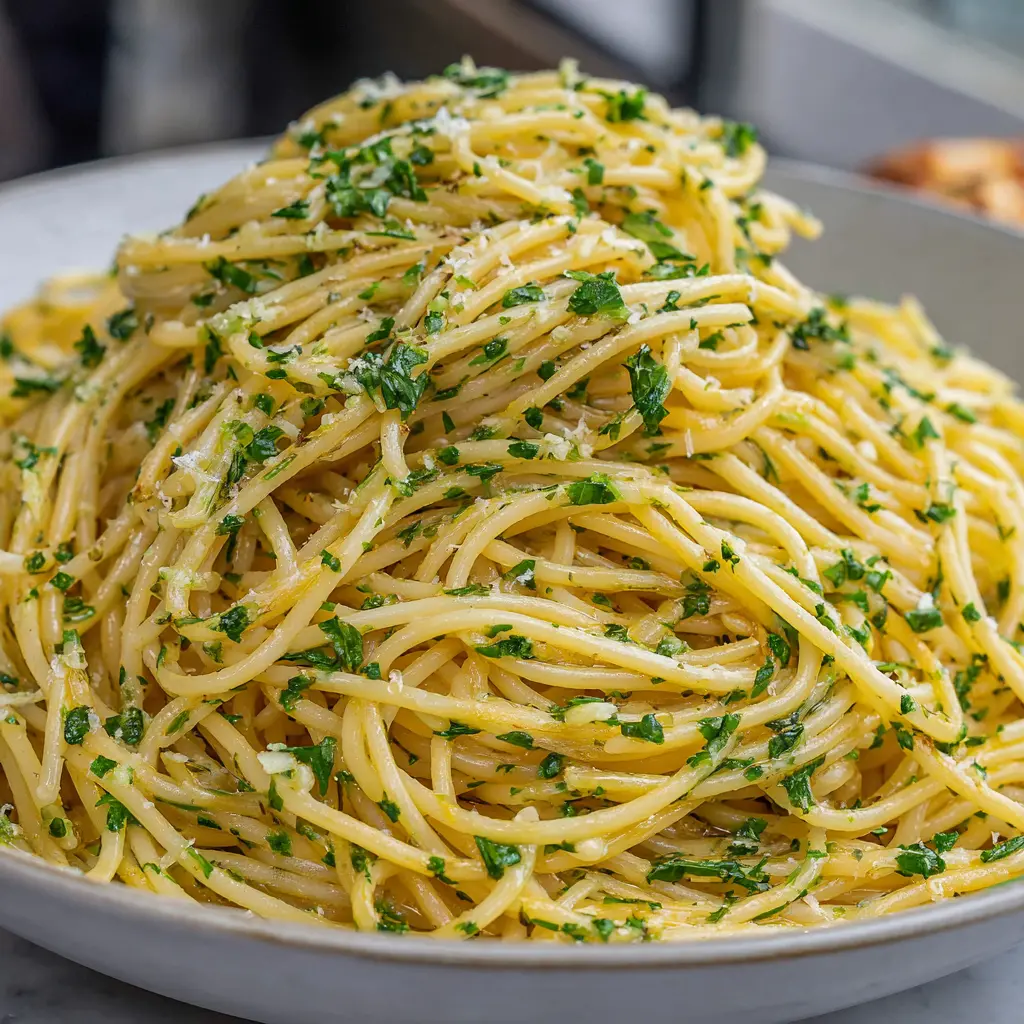
Perfect California Pasta Aglio e Olio with Meyer Lemon
Ingredients
Method
- Bring a large pot of water to a rolling boil. Add a generous amount of salt (about 1 tablespoon) and then add the spaghetti. Cook until al dente, about 8 to 10 minutes, or according to package directions.
- While the pasta cooks, heat the olive oil in a large skillet over medium-low heat. Add the sliced garlic and red pepper flakes. Cook gently, stirring often, until the garlic is fragrant and just golden—about 2 to 3 minutes. Do not let it brown or burn.
- Just before the pasta is done, scoop out about 1 cup of the starchy pasta water. Pour about 1/4 cup of this water into the skillet with the garlic and oil. Add a pinch of salt and let it simmer gently for 1 minute, stirring to combine. This starts the sauce.
- Drain the spaghetti (do not rinse) and add it directly to the skillet. Sprinkle in the chopped parsley (reserve a little for garnish) and squeeze in the juice of the Meyer lemon. Toss everything together vigorously, adding more pasta water a little at a time, until the sauce becomes creamy and emulsified and coats the pasta evenly.
- Taste and adjust seasoning with salt and pepper. Remove from heat. Serve immediately, garnished with the reserved parsley and a final drizzle of olive oil. Enjoy your perfect pasta aglio e olio.
Nutrition
Notes
Tried this recipe?
Let us know how it was!Source: Nutritional Information