Why This Recipe Works
Look, I’ll be honest with you. The first time I tried to make ravioli with sage butter sauce, I absolutely ruined it. Burnt butter that smelled like a campfire, soggy ravioli that fell apart in the strainer, and sage leaves that were either raw or completely black. It was a disaster. But here’s the thing that failure taught me everything I needed to know about getting it right.
This sage butter ravioli recipe is the one I wish I’d had back then. It’s the kind of dish that looks like you spent an hour in the kitchen when really, you’re done in 15 minutes flat. The kind that makes people at the table go quiet because they’re too busy eating to talk. And the best part? It only takes five ingredients most of which you probably already have in your fridge or pantry.
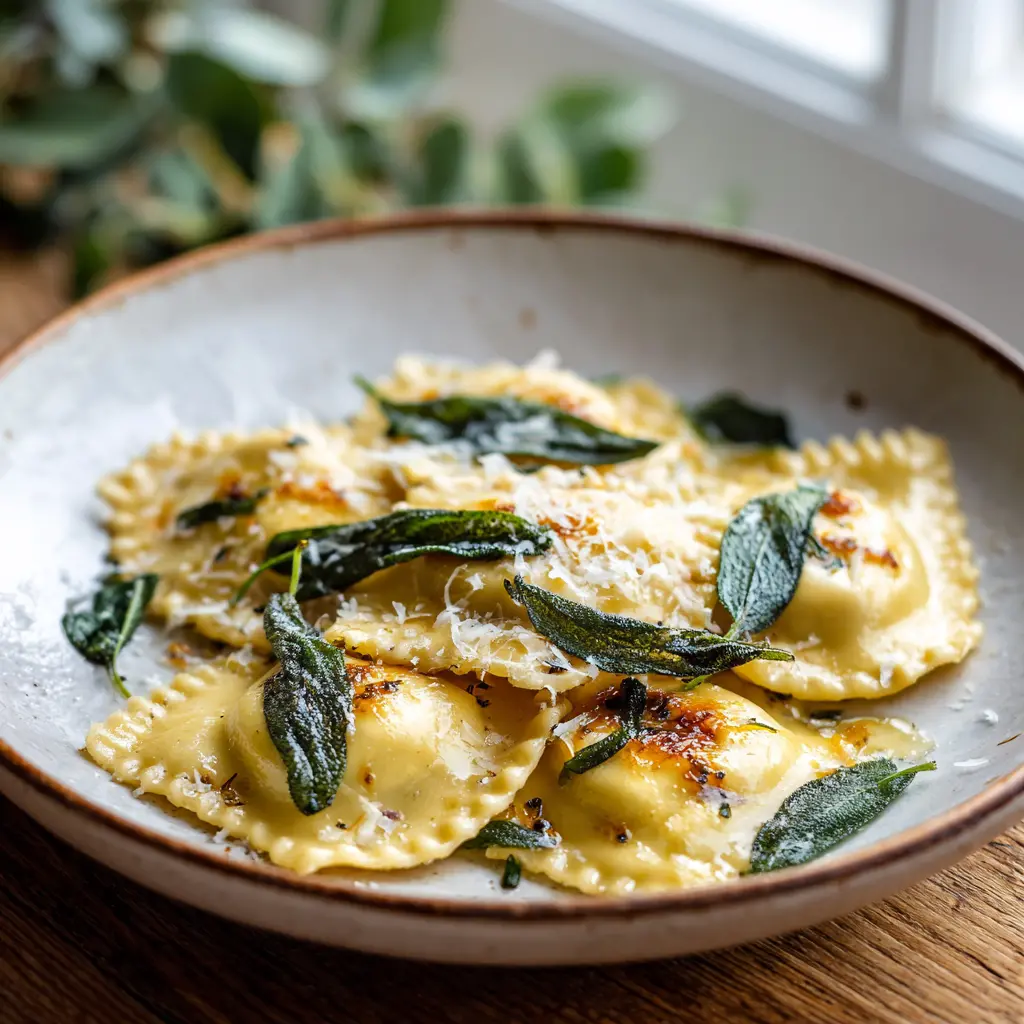
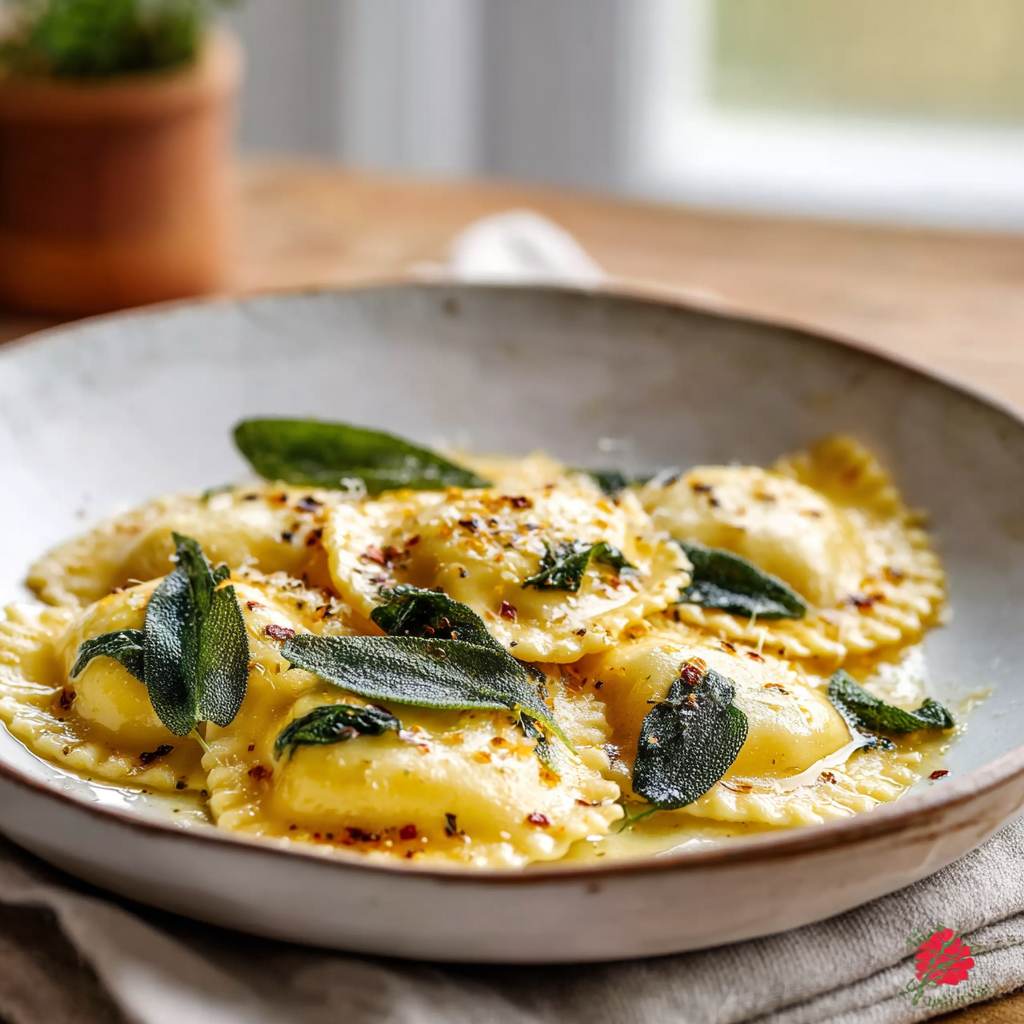
What makes this recipe work is the balance. The nutty richness of brown butter sauce against the bright pop of Meyer lemon. The crispy, almost chip-like texture of fresh sage against the tender, pillowy ravioli. And that final shower of Parmigiano Reggiano that ties everything together. It’s simple, but it’s perfect.
Plus, it’s a weeknight dinner that doesn’t heat up your whole kitchen perfect for those hot summer evenings when the last thing you want is to stand over a hot oven.
Ingredients You’ll Need
This is where the magic happens. And by magic, I mean a very short grocery list. Here’s what you need for this ravioli with sage butter sauce:
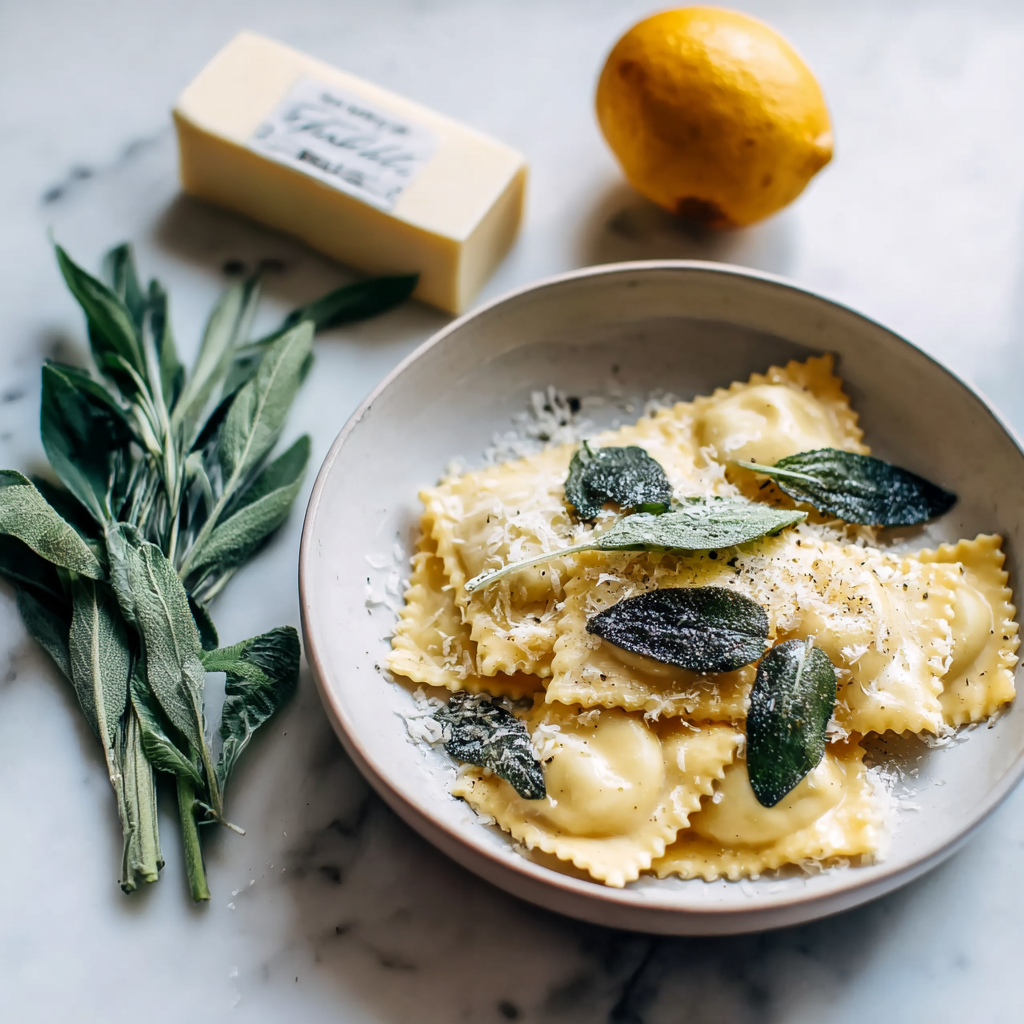
Let me walk you through each one, because a few of these have some tricks up their sleeves.
Ravioli (18-20 oz). I usually grab a package of cheese ravioli from the refrigerated section at Trader Joe’s or Whole Foods. But honestly, any good-quality store-bought ravioli works. Mushroom ravioli is fantastic here too the earthy flavor plays beautifully with the sage. And if you’re feeling ambitious, homemade ravioli takes this dish to another level.
Salted butter (6 tablespoons). I know, I know some folks swear by unsalted for better control. But I use a good California-style salted butter from a local creamery. The salt helps balance the richness and brings out the nutty flavor of the brown butter. If you only have unsalted, just add a pinch of flaky salt at the end.
Fresh sage leaves (20-25 leaves). This is non-negotiable. Dried sage won’t crisp up the same way, and you’ll miss that wonderful texture contrast. Fresh sage has this slightly peppery, almost pine-like aroma that’s incredible when it hits hot butter. Look for leaves that are bright green and not wilting.
Meyer lemon (1). This is my California secret. Regular lemons work fine, but Meyer lemons are sweeter and more floral. That little squeeze at the end brightens everything up without making it sour.
Parmigiano Reggiano (about 1/4 cup, grated). Please, please use the real stuff. The pre-shredded stuff in the green can has anti-caking agents that won’t melt properly. A microplane and a block of genuine Parmigiano Reggiano is worth the extra few bucks.
Freshly ground black pepper. Simple, but don’t skip it. It adds a subtle warmth that complements the sage.
Step-by-Step Instructions
Alright, let’s get cooking. This whole process takes about 15 minutes from start to finish. I promise you can do this.
Step 1: Cook the Ravioli
Fill a large pot with water and salt it generously it should taste like the sea. Bring it to a gentle boil. Drop in your ravioli and cook according to the package directions. For most refrigerated ravioli, that’s about 3-4 minutes, or until they float to the surface and look puffed up.
Here’s a tip I learned the hard way: don’t overcook them. Ravioli goes from perfectly tender to mushy really fast. Set a timer. And when you drain them, be gentle. Use a slotted spoon if you can, or pour them into a colander very carefully. You don’t want torn ravioli.
Step 2: Make the Browned Butter Sage Sauce
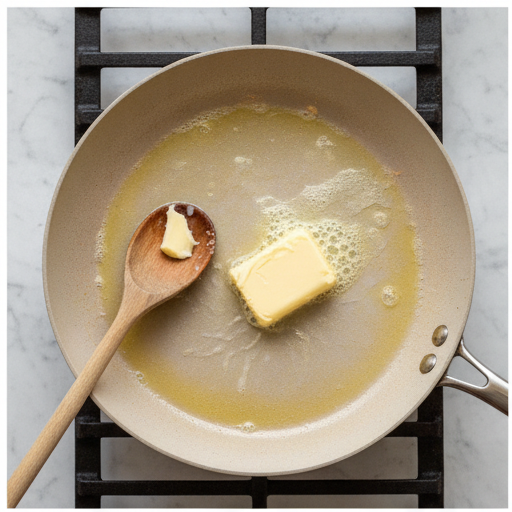
While the ravioli cooks, grab a large skillet ideally a light-colored one so you can see the color change. Heat it over medium heat and add the butter. Let it melt, swirling the pan occasionally. After about 3 minutes, something magical happens: the butter will turn a deep golden brown and start smelling incredibly nutty. That’s the brown butter sauce forming.
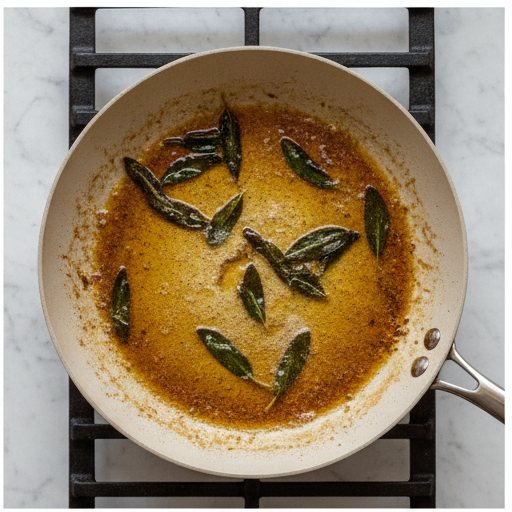
Don’t walk away. I repeat: do not walk away. Brown butter can go from perfect to burnt in about 20 seconds. Watch for those little brown specks forming at the bottom of the pan. That’s the milk solids toasting and that’s where all the flavor lives.
Once the butter is beautifully brown, stir in a few grinds of black pepper and add all those fresh sage leaves. Let them sizzle in the butter for about 2 minutes, stirring now and then. Watch as they curl up and get crispy it’s so satisfying.
Step 3: Add the Lemon
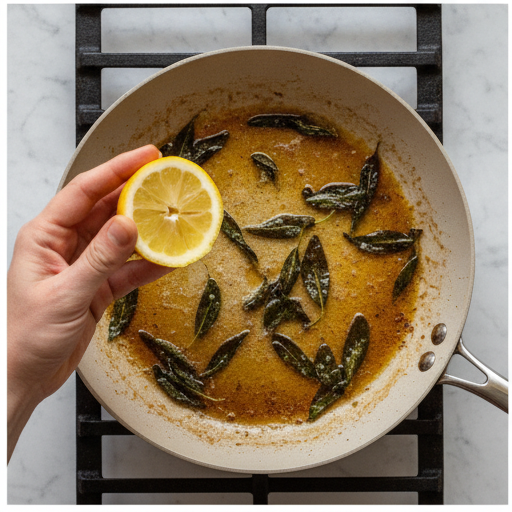
Turn off the heat. Squeeze in about half a tablespoon of fresh Meyer lemon juice. You’ll hear it sizzle as it hits the hot butter. That sound? That’s dinner coming together. Give it a quick swirl to combine.
The lemon does two things here: it cuts through the richness of the butter and it wakes up all the other flavors. Without it, the sauce would be one-note. With it, you get this beautiful brightness that makes you want another bite.
Step 4: Combine and Serve
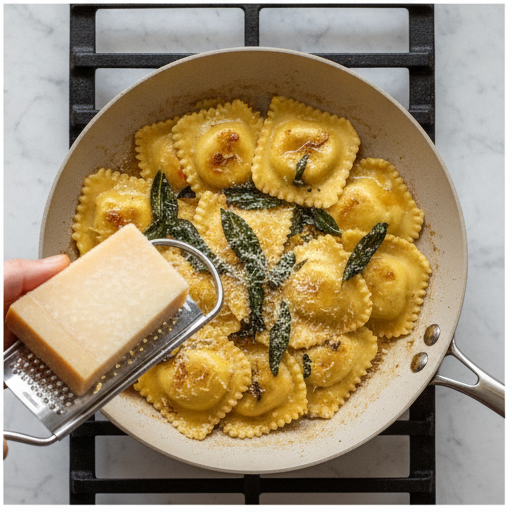
Gently add your drained ravioli to the skillet. Toss them carefully to coat each piece in that glorious brown butter sauce. You want every ravioli to be glossy and covered in those crispy sage bits.
Divide the ravioli among 4 plates or bowls. Top each serving with a generous shower of freshly grated Parmigiano Reggiano and a final squeeze of Meyer lemon. The cheese should start melting on contact with the warm ravioli. That’s your cue to dig in.
Tips for Perfect Ravioli
After making this easy pasta recipe dozens of times, here are the things I’ve learned that make the difference between good and great:
- Use a light-colored pan. Dark nonstick pans make it nearly impossible to see when the butter has browned. A stainless steel or light-colored skillet is your best friend here.
- Cut your butter into cubes. This helps it melt evenly and brown more consistently. A whole stick of butter thrown in the pan will brown unevenly.
- Reserve some pasta water. If your sauce looks a bit thick, add a splash of the starchy pasta water to thin it out. It helps create an emulsified sauce that clings to the ravioli beautifully.
- Don’t crowd the pan. If you’re making a double batch, cook the ravioli in batches and toss them with the sauce separately. Overcrowding leads to soggy ravioli.
- Serve immediately. This dish waits for no one. The ravioli will start absorbing the sauce and getting soft if it sits too long.
Common Mistakes to Avoid
❌ Mistake: Leaving the butter unattended while it browns.
✅ Solution: Stay by the stove. The window between perfect brown butter and burnt butter is very small.
❌ Mistake: Using dried sage instead of fresh.
✅ Solution: Dried sage won’t crisp up. It’ll just turn into sad little specks. Fresh is worth the trip to the store.
❌ Mistake: Overcooking the ravioli.
✅ Solution: Set a timer and taste one a minute before the package says it’s done. Al dente is your goal.
Variations and Substitutions
One of the things I love about this sage butter ravioli is how flexible it is. Here are some ways to make it your own:
Swap the pasta. Not in the mood for ravioli? This sauce works beautifully with tortellini, agnolotti, or even gnocchi. Each brings a different texture, but the sauce is the star either way.
Add some crunch. Toss in about 1/4 cup of toasted chopped walnuts or almonds after you add the sage. The nuttiness of the walnuts plays perfectly with the brown butter sauce.
Make it richer. For an extra-decadent version, stir in 2 tablespoons of mascarpone cheese after the butter has browned. It creates a creamier, more luxurious sauce that coats each ravioli like velvet.
Add some veggies. Roasted butternut squash cubes tossed in at the end make this a heartier meal. The sweetness of the squash is a fantastic contrast to the savory sage.
Go seasonal. In the fall, I love adding a spoonful of pumpkin puree to the sauce. It turns the whole dish into a cozy autumn hug on a plate.
What to Serve with This Dish
This ravioli with sage butter sauce is pretty complete on its own, but if you’re feeding a crowd or want to round out the meal, here are some ideas:
- A simple green salad. Arugula with a lemon vinaigrette cuts through the richness of the butter sauce beautifully.
- Roasted vegetables. Asparagus, broccoli, or green beans tossed with olive oil and salt simple and fresh.
- Crusty bread. Something with a good crust to soak up any leftover sauce on the plate. Because there will be leftover sauce, and you will want to eat it.
- A light soup. A tomato basil soup or a simple minestrone would be lovely alongside this pasta.
Storage and Reheating
Look, this dish is best eaten fresh. But if you have leftovers (unlikely, but possible), here’s how to handle them:
Storage: Place leftover ravioli in an airtight container and refrigerate for up to 2 days. The ravioli will absorb some of the sauce as it sits, so it won’t be quite as glossy the next day.
Reheating: The key is to reheat gently. Skip the microwave it’ll turn your ravioli into mush. Instead, heat a skillet over medium-low heat, add a splash of water or broth, and gently warm the ravioli, stirring occasionally. This helps rehydrate the sauce without cooking the ravioli further.
Can you freeze it? Technically yes, but I wouldn’t recommend it. The ravioli texture changes significantly after freezing and thawing. If you must freeze, do it before adding the sauce freeze the cooked ravioli separately and make fresh sauce when you’re ready to eat.
Frequently Asked Questions
Conclusion
This ravioli with sage butter sauce is one of those recipes that feels special without being complicated. It’s the kind of dish you can make on a Tuesday night when you’re tired and hungry, but it also works for date night or when you have friends over and want to impress them without breaking a sweat.
The nutty brown butter sauce, the crispy sage, the bright squeeze of Meyer lemon, the salty kick of Parmigiano Reggiano every element has a job to do, and they all work together perfectly. It’s simple, it’s fast, and it’s absolutely delicious.
If you make this sage butter ravioli, I’d love to hear how it turns out. Drop a comment below or tag me in your photos. And if you’re looking for more easy weeknight dinner ideas, check out my Pinterest board for more quick pasta recipes.
Happy cooking, friends.
California-Style Ravioli with Sage Butter Sauce
Ingredients
Method
- Bring a large pot of salted water to a gentle boil. Cook the ravioli according to package directions (if using homemade, cook until they float and are tender, about 3-4 minutes). Drain carefully to avoid tearing.
- While the ravioli cooks, heat a large skillet over medium heat. Add the butter and let it melt, swirling the pan occasionally. Cook for about 3 minutes, until the butter turns a deep golden brown and smells nutty. Stir in a few grinds of black pepper and the sage leaves. Continue cooking for 2 more minutes, stirring now and then, until the sage is crispy. Squeeze in about 1/2 tablespoon of fresh Meyer lemon juice.
- Gently add the drained ravioli to the skillet with the browned butter sauce. Toss carefully to coat each piece. Divide the ravioli among 4 plates or bowls. Top with freshly grated Parmigiano Reggiano and a final squeeze of Meyer lemon.
Nutrition
Notes
Tried this recipe?
Let us know how it was!Source: Nutritional Information