
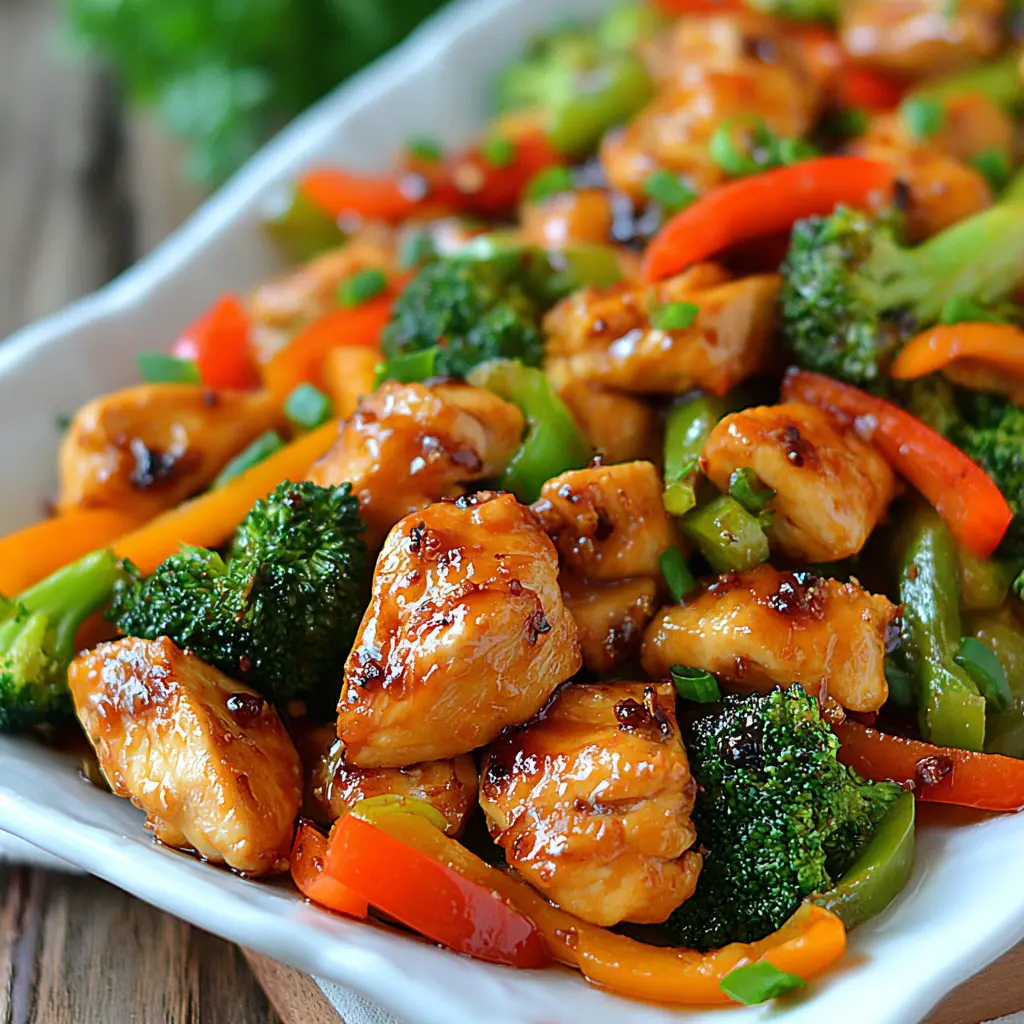
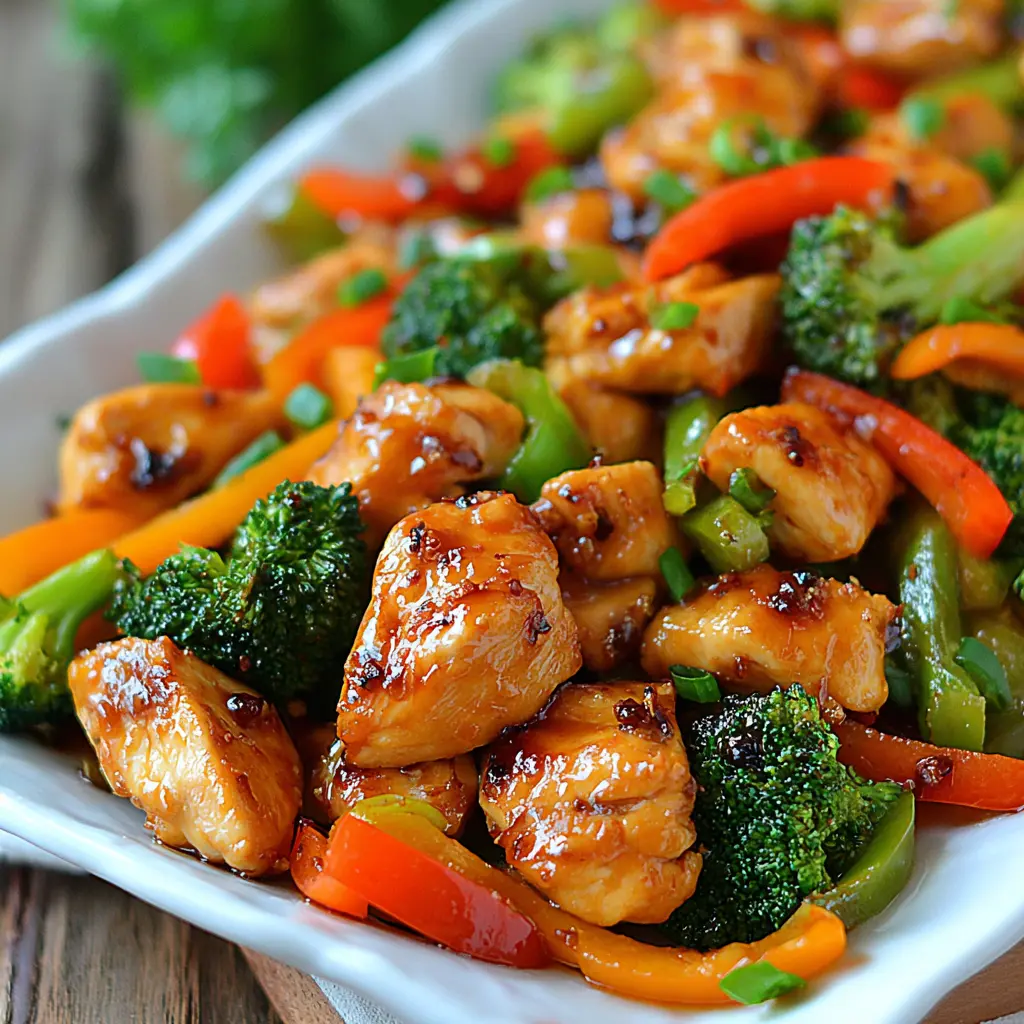
California Chicken Stir Fry with Fresh Veggies
Ingredients
Method
- In a small bowl, whisk together the cornstarch, chicken broth, soy sauce, and honey until smooth. Set the stir fry sauce aside.
- Heat 1 tablespoon of olive oil in a large skillet or wok over medium-high heat. Add the diced chicken breasts and season with salt and pepper. Cook, stirring occasionally, for 3 to 5 minutes until the chicken is browned and cooked through. Transfer the chicken to a plate and set aside.
- Add the remaining 1 tablespoon of olive oil to the same skillet. Add the broccoli, yellow bell pepper, red bell pepper, and shredded carrots. Cook, stirring occasionally, for 3 to 4 minutes until the vegetables are tender-crisp.
- Stir in the ground ginger and minced garlic, and cook for 1 to 2 minutes until fragrant.
- Return the cooked chicken to the skillet. Pour the prepared stir fry sauce over the chicken and vegetables, and stir to coat everything evenly. Bring the mixture to a boil, then let it boil for 1 minute, stirring occasionally, until the sauce thickens.
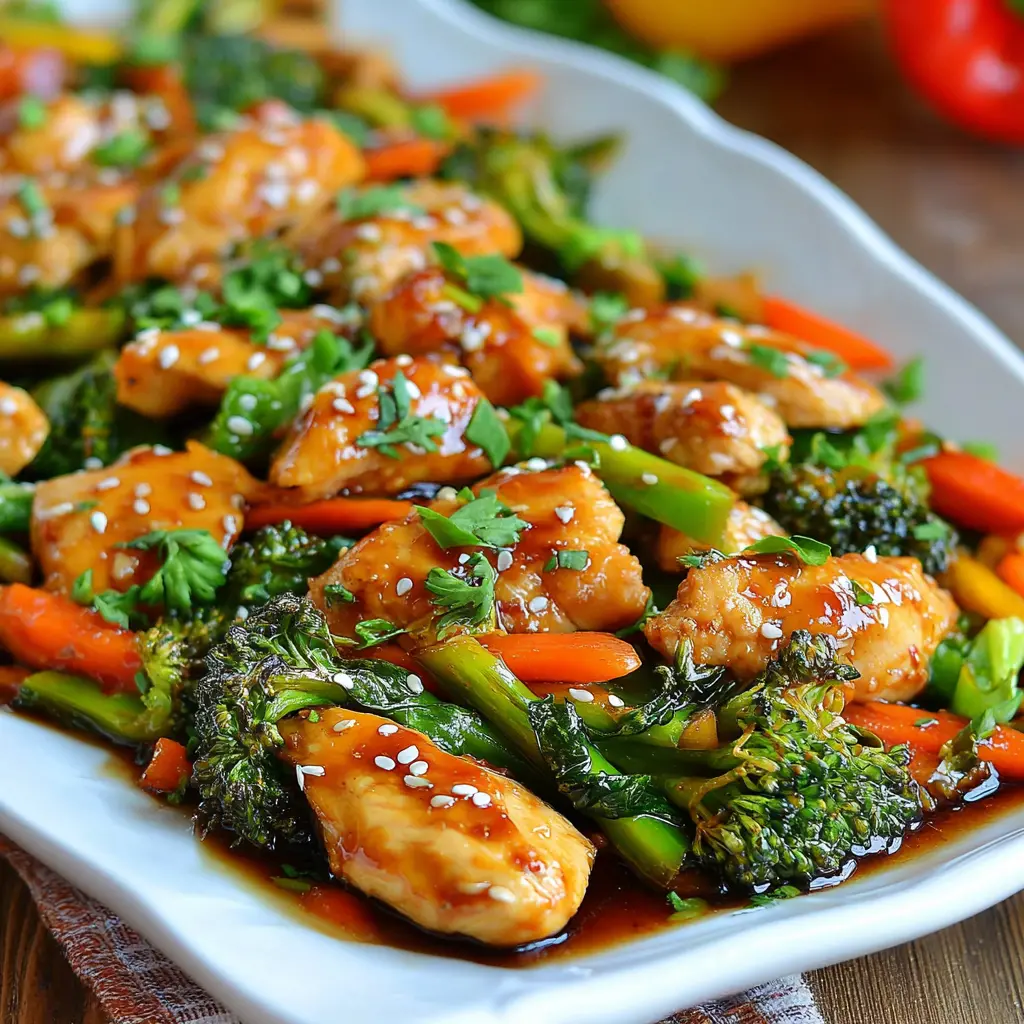
- Sprinkle with sesame seeds and serve immediately over steamed rice or on its own. Enjoy!
Nutrition
Notes
Tried this recipe?
Let us know how it was!Why This Chicken Stir Fry Recipe Works
You just got home. The fridge looks like a crime scene of half-empty containers. The kids are hangry. And you need dinner on the table in, like, fifteen minutes. I’ve been there. More times than I can count.
This chicken stir fry is my go-to for those exact nights. It’s quick, it’s healthy, and it uses up whatever vegetables are lurking in your crisper drawer. Seriously, I’ve made this with broccoli that was starting to look sad and a bell pepper that had seen better days. And it was still amazing.
The best part? It’s a one-pan meal. Less cleanup, more time for you. And the whole thing comes together in about 30 minutes. That’s faster than delivery. And way better for you. Plus, it’s packed with protein and veggies, so you can feel good about feeding it to your family.
This isn’t some complicated restaurant technique. It’s real food, made simply. The kind of meal that makes you feel like a hero after a long day. Trust me, you’ve got this.
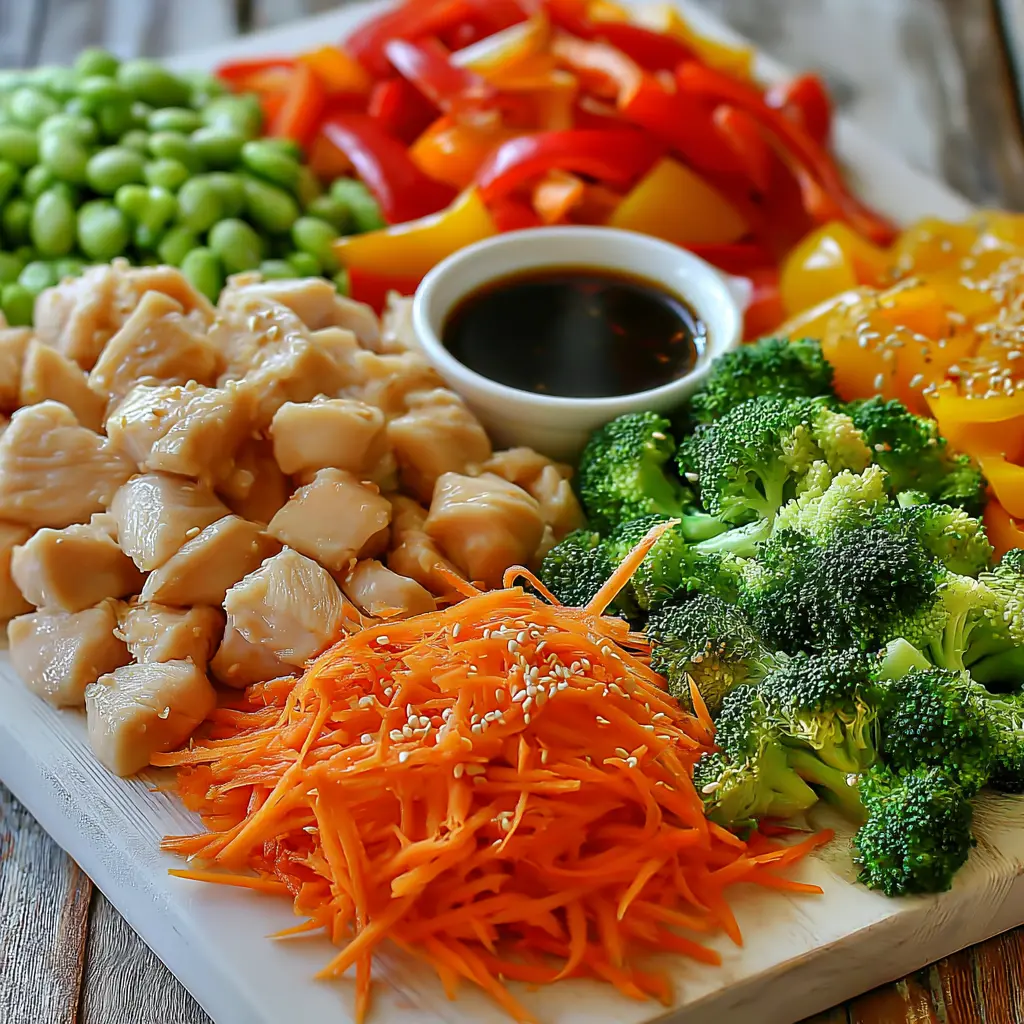
Ingredients for Chicken Stir Fry
Let’s talk about what you’ll need. The ingredient list is short and sweet. That’s the beauty of a good chicken stir fry – it’s all about the fresh stuff.
For the chicken and veggies, you’ll need some boneless, skinless chicken fillets. Dice them into bite-sized pieces. Season them with a little salt and black pepper. Simple, right? Then you’ve got your California olive oil – I use it for everything. It’s got a nice, mild flavor that doesn’t overpower the dish.
The vegetables are where you can get creative. I’m using broccoli florets, a yellow bell pepper, a red bell pepper, and some shredded carrots. But honestly, use whatever you have. Snow peas, green beans, mushrooms – they all work. The key is to cut everything into similar-sized pieces so they cook evenly.
And then there’s the sauce. This is where the magic happens. You’ll whisk together some cornstarch, low-sodium chicken broth, soy sauce, and honey. That’s it. Four ingredients. It thickens up into this beautiful, glossy coating that clings to every piece of chicken and vegetable. I promise, it’s better than any bottled stuff you can buy.
Oh, and don’t forget the aromatics – ground ginger and minced garlic. And some sesame seeds for garnish. They add that little something extra.
How to Make Chicken Stir Fry
Okay, let’s get cooking. This is where the sizzle happens. I’ll walk you through the four main stages so you feel confident, not confused.
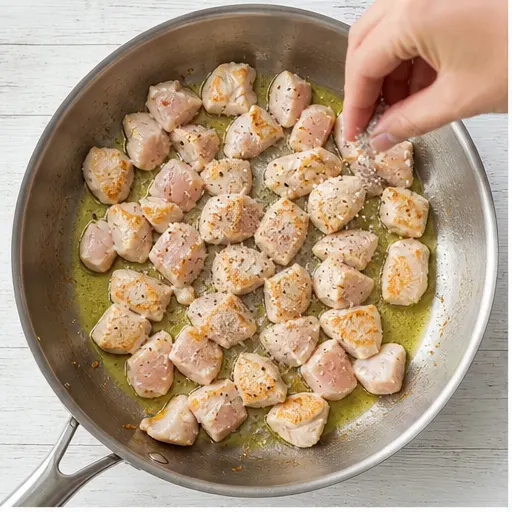
Stage 1: Cook the Chicken. Heat a tablespoon of olive oil in a large skillet or wok over medium-high heat. You want it hot, but not smoking. Add your diced chicken and season with salt and pepper. Let it cook for about 3 to 5 minutes, stirring occasionally, until it’s browned and cooked through. The smell is incredible. Once it’s done, transfer it to a plate and set it aside. Don’t crowd the pan – if you have a lot of chicken, do it in batches. Overcrowding leads to steaming, not searing. And we want that golden-brown crust.
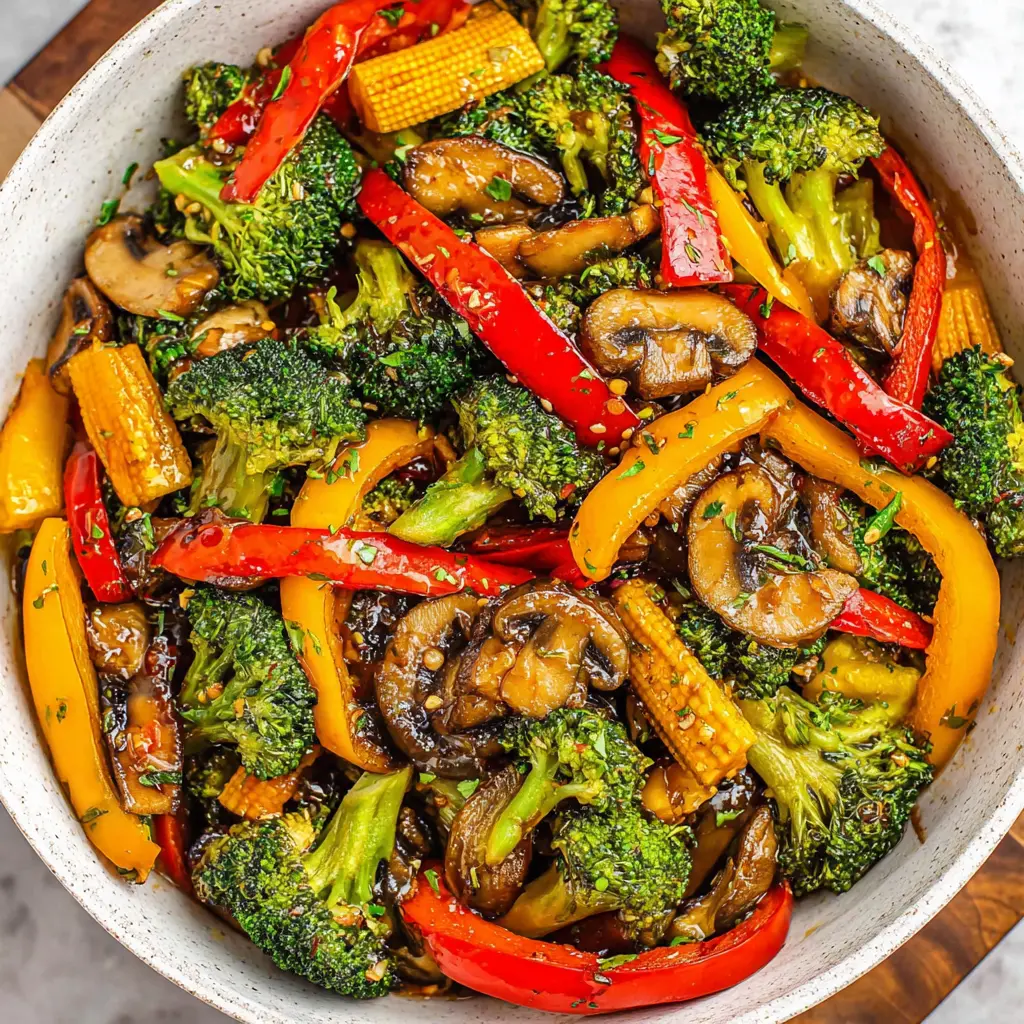
Stage 2: Stir-Fry the Vegetables. Add the remaining tablespoon of olive oil to the same skillet. Toss in your broccoli, bell peppers, and carrots. Cook for about 3 to 4 minutes, stirring occasionally. You want them tender-crisp – still with a little bite. Not mushy. This is where you can adjust based on your veggies. Broccoli takes a little longer, so it goes in first. Bell peppers cook faster. Just keep an eye on them. The colors are so vibrant at this stage – it’s like eating a rainbow.
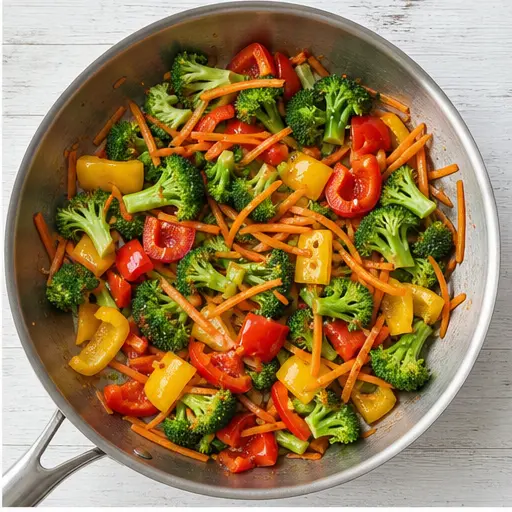
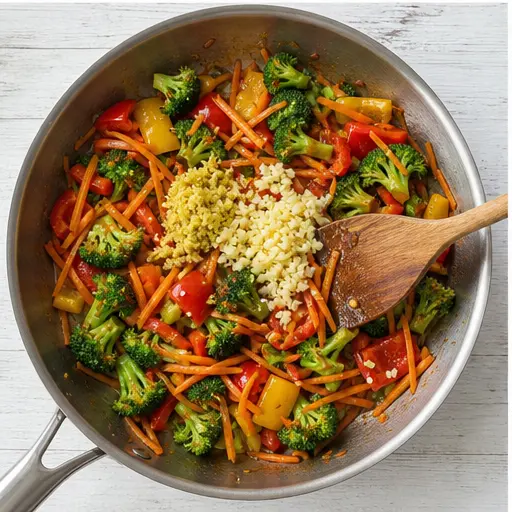
Stage 3: Add the Aromatics. Stir in the ground ginger and minced garlic. Cook for just 1 to 2 minutes until it’s super fragrant. This is where I always take a deep breath – that smell of garlic and ginger hitting hot oil is pure comfort. Don’t let it burn, though. I’ve done that before, and it’s not fun. Just keep it moving in the pan.
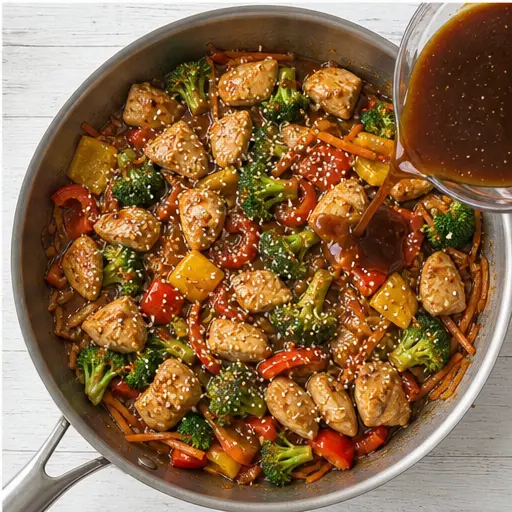
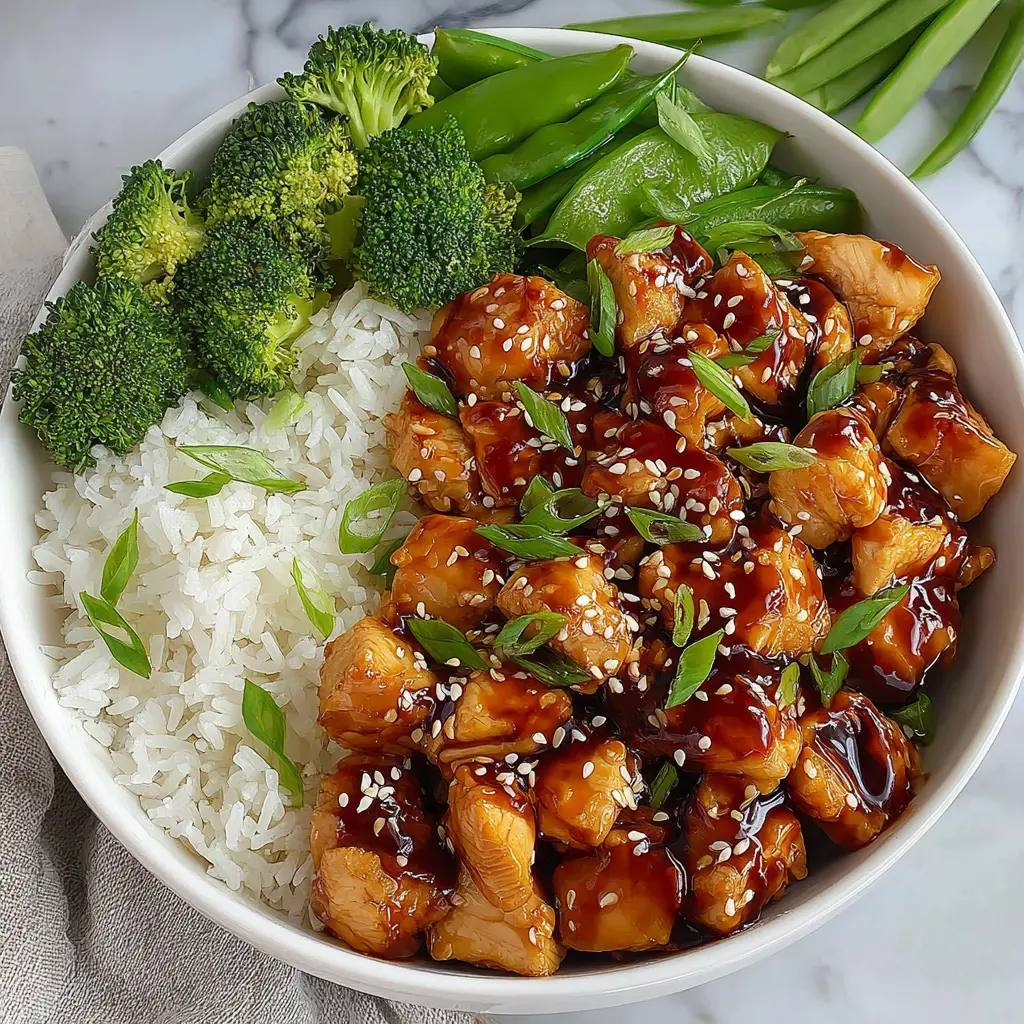
Stage 4: Combine and Sauce. Return the cooked chicken to the skillet. Pour your prepared sauce over everything. Stir it all together to coat evenly. Then bring it to a boil and let it boil for about 1 minute, stirring occasionally. Watch it thicken up – it’s so satisfying. The cornstarch does its magic here, creating that glossy, restaurant-quality finish. Sprinkle with sesame seeds and serve immediately over steamed rice or on its own.
Tips for the Best Chicken Stir Fry
I’ve made plenty of mistakes in the kitchen. Burnt garlic, soggy veggies, dry chicken. So let me save you the trouble. Here are my best tips for getting it right every time.
- Get your pan screaming hot. Medium-high heat is key. If the pan isn’t hot enough, your ingredients will steam instead of sear. And nobody wants sad, watery stir fry.
- Don’t overcrowd the pan. This is the number one mistake. If you add too much at once, the temperature drops, and everything steams. Cook in batches if you need to. Your chicken will thank you.
- Cut everything the same size. This ensures even cooking. Diced chicken, broccoli florets, bell pepper pieces – keep them uniform. It makes a difference.
- Prep everything before you start. Stir fry moves fast. Have your veggies chopped, your sauce whisked, and your chicken seasoned. It’s called mise en place, and it’s a game-changer.
- Taste your sauce before adding it. I always do this. Adjust the sweetness or saltiness to your liking. A little more honey? A splash of soy sauce? You’re in control.
- Cook vegetables in order of hardness. Broccoli and carrots go in first. Bell peppers join later. Quick-cooking things like spinach or bean sprouts go in at the very end. This keeps everything perfectly crisp.
Variations
This recipe is super flexible. I love it because it’s a canvas for whatever you have on hand. Here are some ideas to switch it up.
Protein swaps: Use chicken thighs instead of chicken fillets for a juicier result. Or swap in beef, shrimp, or tofu. Just adjust cooking times accordingly. Tofu needs a little longer to get crispy. Shrimp cooks in about 2 minutes flat.
Vegetable combos: The world is your oyster. Try snow peas, green beans, mushrooms, onions, sugar snap peas, baby corn, water chestnuts, or bok choy. Use a pre-mixed bag of stir fry vegetables for extra convenience. Just remember to add the hard veggies first.
Sauce tweaks: For a gluten-free version, use tamari or coconut aminos instead of soy sauce. Add a splash of rice vinegar or a squeeze of Meyer lemon for brightness. If you like it spicy, add a pinch of red pepper flakes.
Dietary adjustments: For a low-carb version, serve over cauliflower rice. For a keto chicken stir fry, skip the honey or use a sugar substitute. The sauce will still be delicious.
Make-Ahead and Storage
This stir fry is great for meal prep. Here’s how to make it work for your busy week.
Prep ahead: Chop all your vegetables and dice your chicken up to a day in advance. Store them separately in airtight containers in the fridge. Whisk the sauce together and keep it in a jar. Then when you’re ready to cook, it’s just a matter of tossing things in the pan.
Store leftovers: Keep leftovers in an airtight container in the refrigerator for up to 5 days. The flavors actually meld together overnight, so it might taste even better the next day. Just be aware that the vegetables will soften a bit.
Freeze for later: You can freeze this chicken stir fry in serving sizes in a freezer-safe container for up to 3 months. To prevent freezer burn, press a piece of plastic wrap directly onto the surface before sealing the lid. Thaw in the fridge overnight before reheating.
Reheating: The best way to reheat is in a sauté pan or wok on the stove over medium heat. Add a splash of water or chicken broth to loosen up the sauce if it’s gotten too thick. Stir until everything is heated through. The microwave works in a pinch, but the stovetop gives you better texture.
Frequently Asked Questions
Common Mistakes to Avoid
I’ve learned these the hard way so you don’t have to. Here’s what to watch out for.
- ❌ Overcrowding the pan. This leads to steaming instead of searing. Your chicken won’t brown, and your veggies will be limp. ✅ Solution: Cook in batches. Give everything room to breathe.
- ❌ Overcooking vegetables. Mushy veggies are sad veggies. ✅ Solution: Cook them just until tender-crisp. They should still have a little bite. Remember, they’ll continue cooking slightly after you remove them from the heat.
- ❌ Not preheating the pan. A cold pan means soggy food. ✅ Solution: Let your skillet or wok get hot before adding oil. A drop of water should sizzle on contact.
- ❌ Using too much sauce. You want a coating, not a soup. ✅ Solution: Start with the amount in the recipe. You can always add more, but you can’t take it away.
- ❌ Not tasting your sauce. This is a rookie mistake. ✅ Solution: Dip a clean spoon in and taste it. Adjust the sweetness, saltiness, or heat before it goes in the pan.
What to Serve with Chicken Stir Fry
This dish is pretty complete on its own, but if you want to round it out, here are some ideas.
Rice is classic. Steamed jasmine rice or brown rice are perfect for soaking up that extra sauce. For a low-carb option, try cauliflower rice. It’s light and lets the stir fry shine.
Noodles are great too. Serve it over cooked ramen, soba noodles, or even lo mein. Toss the noodles in a little sesame oil before adding the stir fry on top.
Keep it simple. A side of steamed edamame with a sprinkle of sea salt makes a quick and healthy addition. Or a simple cucumber salad with rice vinegar and sesame seeds.
Honestly, this chicken stir fry is a meal in itself. But if you’re feeding a hungry crowd, a little extra rice or noodles never hurts.
Now go make this. Your weeknight just got a whole lot tastier. And if you want to save this recipe for later, pin it to your Pinterest board so you can find it in a flash. I promise, you’ll come back to it again and again.
Source: Nutritional Information

4 responses to “How to Make the Best Chicken Stir Fry at Home?”
This was good, but I found the sauce a little too sweet for my taste. Next time I’ll cut the honey by half and add a splash more soy sauce. Also, my chicken came out a bit dry—any tips for keeping it juicier?
Hi Mike, thanks for the honest feedback! For juicier chicken, try marinating the cubes in a tablespoon of soy sauce and a teaspoon of cornstarch for 10 minutes before cooking—it helps lock in moisture. And feel free to adjust the honey to your preference!
Just made this for dinner and it was a huge hit! The sauce is absolutely perfect—love the balance of honey and soy sauce. I added snap peas because I had them on hand, and it worked great. Thanks for another winner!
I’ve been looking for a quick weeknight stir fry recipe, and this one is perfect! I subbed chicken thighs for breasts and used frozen broccoli since that’s what I had. Still turned out amazing. The toasted sesame oil really makes the sauce shine.