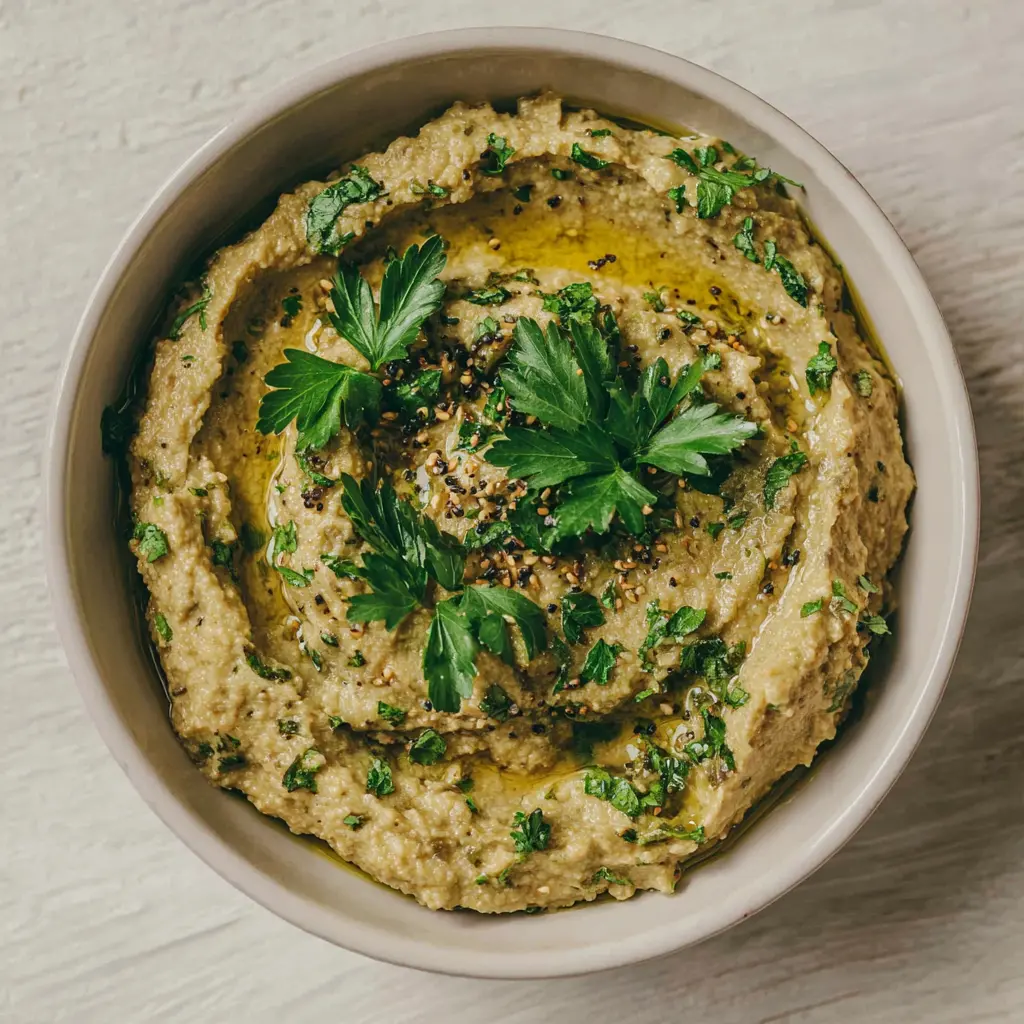
What is Melitzanosalata?
The first time I tasted melitzanosalata was at a tiny taverna in Crete. It was a hot afternoon, and the waiter brought out a plate of this creamy, smoky dip with warm pita. One bite, and I was hooked. I mean, I’d had eggplant dips before, but nothing like this.
Melitzanosalata (pronounced meh-leet-zah-noh-sah-LAH-tah) is a classic Greek appetizer. It’s a rustic, smoky eggplant dip that’s incredibly simple. The name comes from “melitzana” (eggplant) and “salata” (salad). So, literally, it’s eggplant salad. But trust me, it’s so much more than that.
This greek roasted eggplant dip melitzanosalata is a staple on every meze platter in Greece. It’s naturally vegan, gluten-free (if you use gluten-free breadcrumbs), and packed with flavor. It’s the kind of dish that makes you feel like you’re on vacation.
Don’t worry if you’ve never made an eggplant dip before. This recipe is forgiving. It’s one of those dishes where the whole is greater than the sum of its parts. A few simple ingredients, roasted to perfection, and blended into something magical.
Why You’ll Love This Recipe
So, why should you make this greek roasted eggplant dip melitzanosalata? Let me count the ways.
- Smoky, deep flavor. The key is roasting the eggplants until the skin is charred. That smoky flavor is what makes this dip so addictive. It’s not just roasted eggplant; it’s roasted eggplant with a soul.
- Simple ingredients. You probably have most of them in your pantry right now. Eggplant, garlic, olive oil, breadcrumbs, red wine vinegar, salt, pepper, and parsley. That’s it. No weird stuff.
- Healthy party dip. It’s a healthy party dip that doesn’t feel like a compromise. It’s rich and creamy without any cream. It’s naturally vegan and packed with fiber. You can feel good about serving this.
- Make ahead. This is a dream for entertaining. Make it a day ahead, and the flavors get even better. It’s a lifesaver when you’re hosting a summer barbecue.
- Versatile. Serve it with pita chips, warm pita bread, crusty sourdough, or fresh vegetable sticks like cucumber, bell peppers, and carrots. It’s also amazing as a spread on a sandwich or a grilled chicken wrap.
I remember making this for a Fourth of July barbecue last year. I was a little nervous, honestly. Would people go for it? It disappeared in ten minutes. Someone even asked if I could make a double batch next time. That’s the power of a good authentic Greek melitzanosalata recipe.
Ingredients You’ll Need
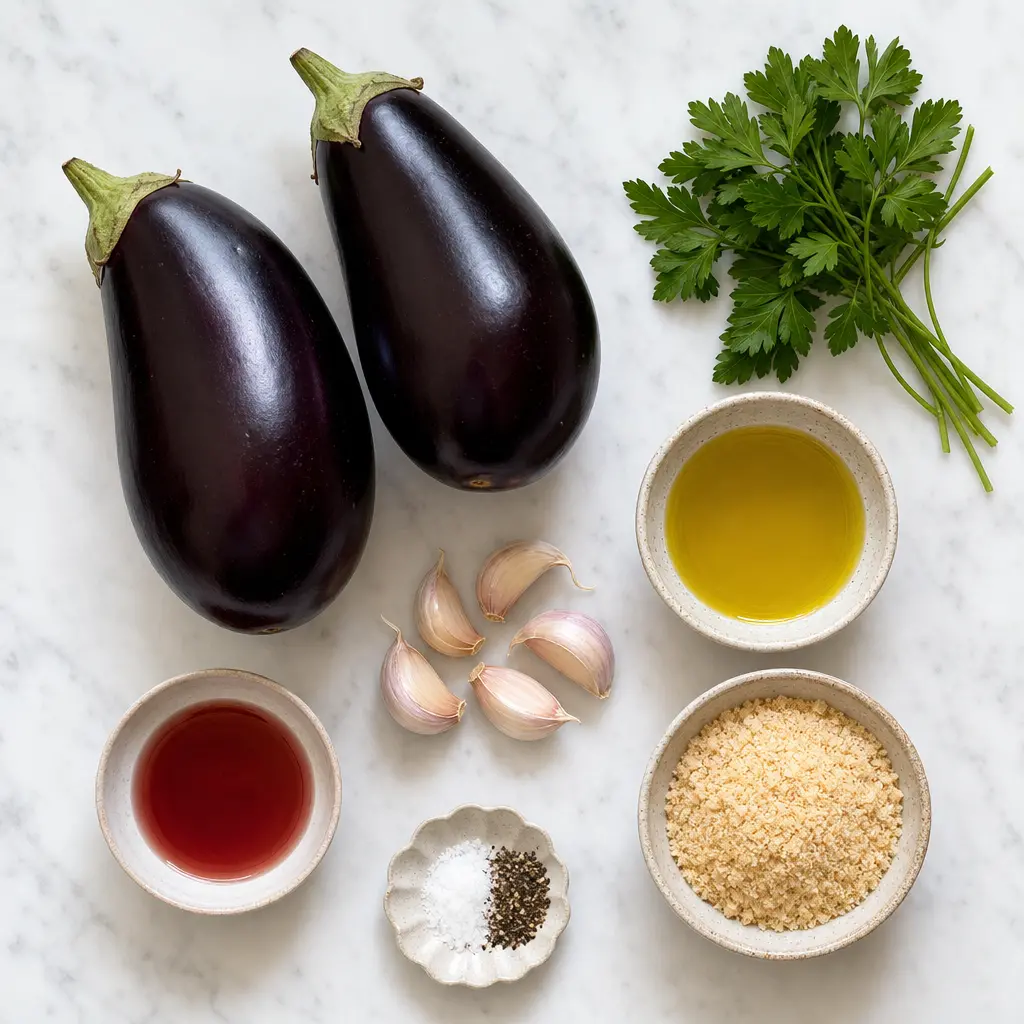
Let’s talk about what goes into this greek roasted eggplant dip melitzanosalata. Each ingredient plays a role. Here’s the breakdown.
- Eggplants: You’ll need 2 medium eggplants, about 1 pound each. Globe eggplants work best. They have a good meaty texture and aren’t too seedy. Look for ones that feel heavy for their size and have smooth, shiny skin.
- Garlic: 5 cloves, peeled. This might seem like a lot, but roasting mellows the garlic. It won’t be harsh. If you’re garlic-shy, you can start with 3 cloves and add more to taste. I go heavy on garlic because I love the punch.
- Breadcrumbs: 1.5 tablespoons of plain or panko breadcrumbs. This is the secret to a thick, creamy dip. The breadcrumbs absorb excess moisture and give the dip structure. Without them, it can be watery. Trust me on this one.
- Extra Virgin Olive Oil: 1/3 to 1/2 cup. Use a good quality best olive oil for melitzanosalata. You can taste it in the final dish. California-grown olive oil is great, but any good extra virgin will work. The oil adds richness and helps emulsify the dip.
- Red Wine Vinegar: 3 tablespoons. This is the tangy element that balances the smoky eggplant. You can also use sherry vinegar or lemon juice. I like red wine vinegar for its bright, clean acidity.
- Salt and Pepper: A pinch of sea salt and freshly ground black pepper. Simple seasonings that let the other flavors shine.
- Flat-Leaf Parsley: 1/4 cup, finely chopped. Fresh parsley adds a pop of color and a fresh, herbaceous note. It cuts through the richness of the dip.
That’s the complete list for a traditional melitzanosalata ingredients lineup. No yogurt, no tahini. This is the real deal.
How to Roast Eggplants for Maximum Smokiness
This is the most important step. The way you roast the eggplants determines the flavor of your dip. You want that deep, smoky taste that makes you think of a wood-fired grill.
There are a few ways to do this. I’ll cover the two best methods for home cooks. Both work great. It just depends on what you have available.
Method 1: Oven Roasting (Easiest)
This is the method I use most often. It’s hands-off and consistent.
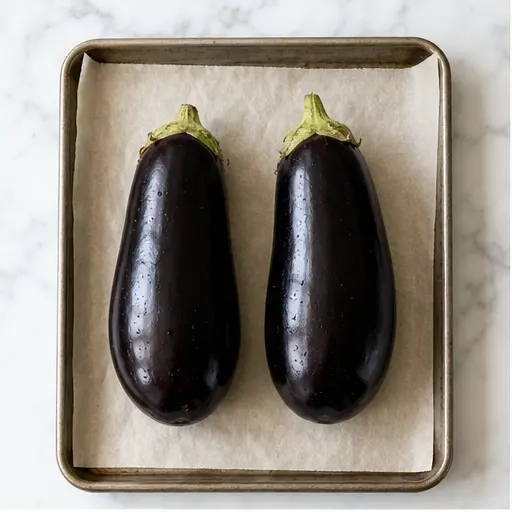
- Preheat your oven to 350°F.
- Line a baking sheet with parchment paper or foil.
- Place the whole eggplants on the sheet. Don’t cut them. Don’t pierce them. Just put them in whole.
- Roast for 1 hour. You’ll know they’re done when the skins are wrinkled, the eggplants look deflated, and they feel very soft when you gently squeeze them with a spatula.
Method 2: Broiler or Gas Flame (Smokier)
If you want that extra layer of smoky flavor, this is the way to go. It’s a bit more hands-on, but the results are incredible.
- For the broiler: Place the eggplants on a baking sheet and put them under a hot broiler. Broil for about 20 minutes, turning every 5 minutes with tongs, until the skin is blistered and charred all over.
- For a gas stove: You can char the eggplants directly over a gas burner. Turn the flame to medium-high. Place the eggplant directly on the burner grate. Use tongs to turn it every 2-3 minutes until the skin is completely blackened and blistered. This takes about 10-15 minutes.
Whichever method you choose, you’ll smell a smoky, earthy aroma as they cook. Listen for the skin crackling. That’s the sound of flavor developing.
How to Make Melitzanosalata
Now for the fun part. Here’s how to turn those roasted eggplants into a creamy, dreamy dip.
Stage 1: Cool and Peel
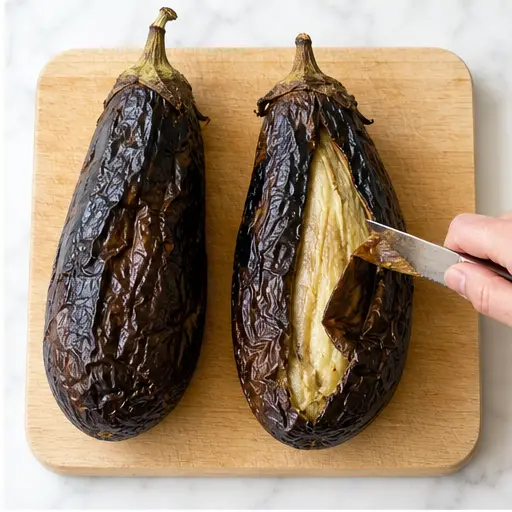
Once the eggplants are out of the oven, let them cool on the baking sheet for about 30 minutes. They need to be cool enough to handle. Don’t rush this. Hot eggplants are hard to peel and can burn your fingers.
When they’re cool, gently peel off the charred skin. It should come off in large strips. Don’t worry if a few small bits of skin remain. That’s fine. It adds a little extra smoky flavor.
Stage 2: Drain, Drain, Drain
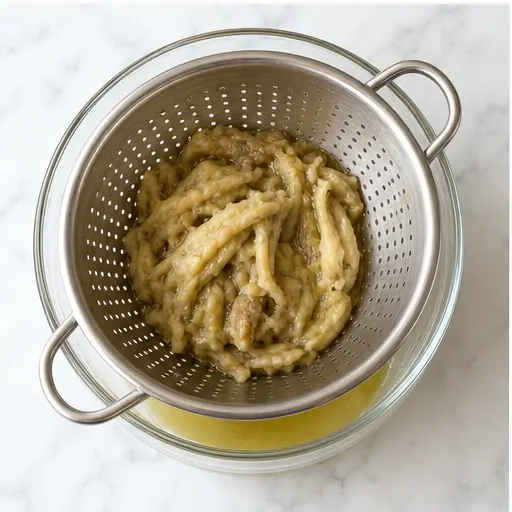
This is the most important part. Seriously. Place the peeled eggplant flesh in a colander set over a bowl. Let it drain for 30 minutes. The eggplant will release a lot of liquid. If you skip this step, your dip will be watery and sad.
You’ll see the liquid pooling in the bowl below. That’s excess moisture you don’t want in your dip. The eggplant flesh will look like a deflated balloon. That’s perfect.
Stage 3: Blend
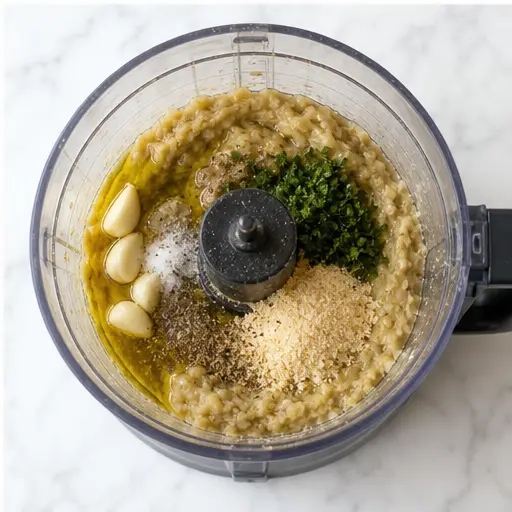
Now, grab your food processor. Add the drained eggplant flesh, the 5 garlic cloves, the breadcrumbs, 1/3 cup of olive oil, the red wine vinegar, a pinch of salt, a pinch of pepper, and the chopped parsley.
Pulse until smooth and creamy. Scrape down the sides as needed. Don’t over-process it. You want a creamy texture, not a paste. It’s okay if it’s a little chunky. That’s rustic and authentic.
Taste it. This is where you adjust. Need more tang? Add a splash more vinegar. Need more richness? Drizzle in a little more olive oil. Want more garlic? Add another clove. This is your dip. Make it your own.
Stage 4: Serve or Chill
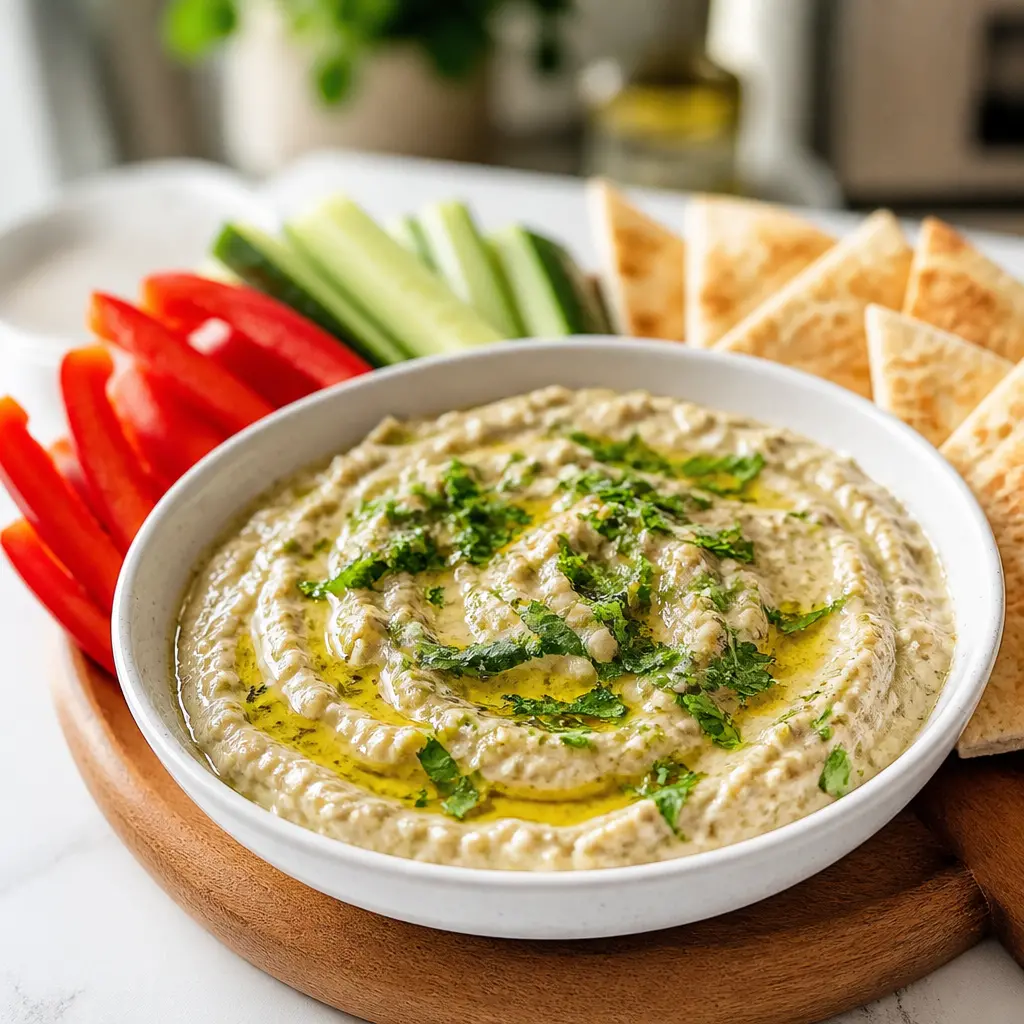
Transfer the dip to a serving bowl. You can serve it immediately at room temperature. Or, cover it and refrigerate for a few hours. The flavors meld and deepen as it sits. It’s even better the next day.
Before serving, give it a good stir. Drizzle with a little more olive oil and sprinkle with extra parsley.
Expert Tips for the Best Dip
Over the years, I’ve learned a few tricks that make a big difference. Here are my top tips for a perfect greek roasted eggplant dip melitzanosalata.
- Don’t skip the draining step. I know I said it before, but it’s worth repeating. Wet eggplant = watery dip. That 30-minute drain is non-negotiable.
- Adjust your garlic. Raw garlic can be intense. If you’re making this a day ahead, the garlic flavor will mellow and meld. If you’re serving it right away, you might want to use slightly less. I use 5 cloves because I love garlic, but 3 or 4 is fine too.
- Texture control. For a smoother dip, use a food processor but don’t overdo it. For a chunkier, more rustic dip, mash everything together in a bowl with a fork. I prefer the food processor for a creamy, restaurant-style texture.
- Use good olive oil. This is a simple recipe. The quality of your olive oil matters. Use a fruity, peppery extra virgin olive oil. It adds so much flavor.
- Let it rest. If you can, make this dip a few hours ahead or even the day before. The flavors get better. It’s a great make ahead Greek dip.
Common Mistakes (and How to Fix Them)
❌ Mistake: Watery dip.
✅ Solution: You didn’t drain the eggplant long enough. Next time, let it drain for a full 30 minutes. You can also gently squeeze the flesh to remove more liquid.
❌ Mistake: Dip is too garlicky.
✅ Solution: If your dip is too sharp, add a little more olive oil or breadcrumbs to balance it out. Or, let it rest in the fridge overnight. The garlic flavor will mellow.
❌ Mistake: Dip is bland.
✅ Solution: You probably need more salt or vinegar. Add a pinch of salt and a splash of red wine vinegar. Taste and adjust. Sometimes it just needs a little more acidity to wake it up.
Serving Suggestions
This greek roasted eggplant dip melitzanosalata is incredibly versatile. Here are some of my favorite ways to serve it.
- Classic Meze Platter: Serve it alongside other Greek dips like tzatziki and hummus. Add some olives, feta cheese, cherry tomatoes, cucumber slices, and warm pita bread. It’s a party on a platter.
- With Warm Pita: This is the classic pairing. Toast or grill pita bread until it’s warm and slightly charred. Cut it into triangles and dip away.
- With Crusty Bread: A good sourdough or crusty baguette is perfect for scooping up this creamy dip.
- With Fresh Vegetables: For a lighter option, serve it with crisp vegetable sticks like cucumber, bell peppers, carrots, and celery. It’s a low calorie appetizer that’s still satisfying.
- As a Spread: Use it as a spread on sandwiches, wraps, or grilled chicken. It adds a smoky, creamy element that’s amazing.
- With Grilled Meats: Serve it as a side with grilled lamb chops, chicken souvlaki, or fish. It’s a perfect complement to grilled flavors.
Storage & Leftovers
One of the best things about this dip is that it stores beautifully. Here’s what you need to know.
- Refrigerator: Store leftovers in an airtight container in the fridge. It will keep for up to 5 days. The dip actually tastes even better the next day after the flavors have melded.
- Freezing: I don’t recommend freezing melitzanosalata. The texture can become watery and grainy when thawed. It’s best enjoyed fresh or within a few days.
- Reheating: Serve it cold or at room temperature. If you prefer it a little warmer, let it sit on the counter for 15-20 minutes before serving. Don’t microwave it. It will change the texture.
- Make Ahead: This is a fantastic make-ahead dish. Make it a day before your party. The flavors will be even better. Just give it a good stir before serving.
Frequently Asked Questions
More Greek Eggplant Recipes
If you love this greek roasted eggplant dip melitzanosalata, you might enjoy exploring other Greek eggplant dishes. Eggplant is a staple in Greek cuisine, showing up in everything from hearty moussaka to lighter stuffed dishes. It’s such a versatile vegetable.
But for now, I hope you make this dip. It’s one of those recipes that feels special but is surprisingly easy. It’s a taste of the Greek islands, right in your own kitchen.
Make this for your next barbecue or summer get-together. Watch it disappear. And when you do, tag me! I’d love to see your creation. You can find me on Pinterest, where I’m always sharing more Mediterranean and Greek-inspired recipes.
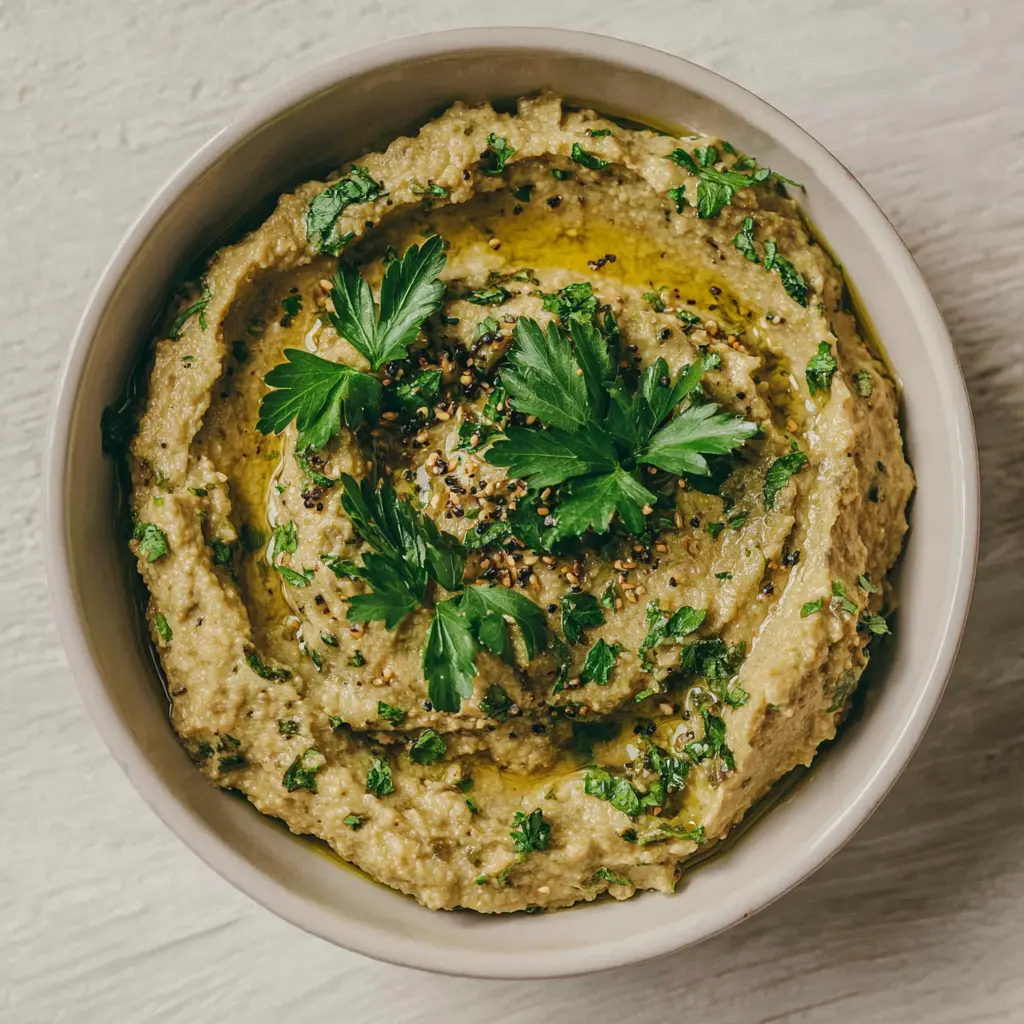
Greek Roasted Eggplant Dip Melitzanosalata
Ingredients
Method
- Preheat your oven to 350°F. Line a baking sheet with parchment paper or foil. Place the whole eggplants on the sheet and roast for 1 hour, until the skins are wrinkled and the flesh is very soft.
- Remove the eggplants from the oven and let them cool on the baking sheet for 30 minutes. They should be cool enough to handle.
- Gently peel off the charred skin from the eggplants. Place the flesh in a colander set over a bowl and let it drain for 30 minutes to remove excess moisture.
- In a food processor, combine the drained eggplant flesh, garlic cloves, breadcrumbs, olive oil, salt, pepper, and parsley. Pulse until smooth and creamy, scraping down the sides as needed.
- Transfer the dip to a serving bowl. Serve immediately at room temperature, or cover and refrigerate for a few hours to let the flavors meld. Stir before serving.
Nutrition
Notes
Tried this recipe?
Let us know how it was!Source: Nutritional Information