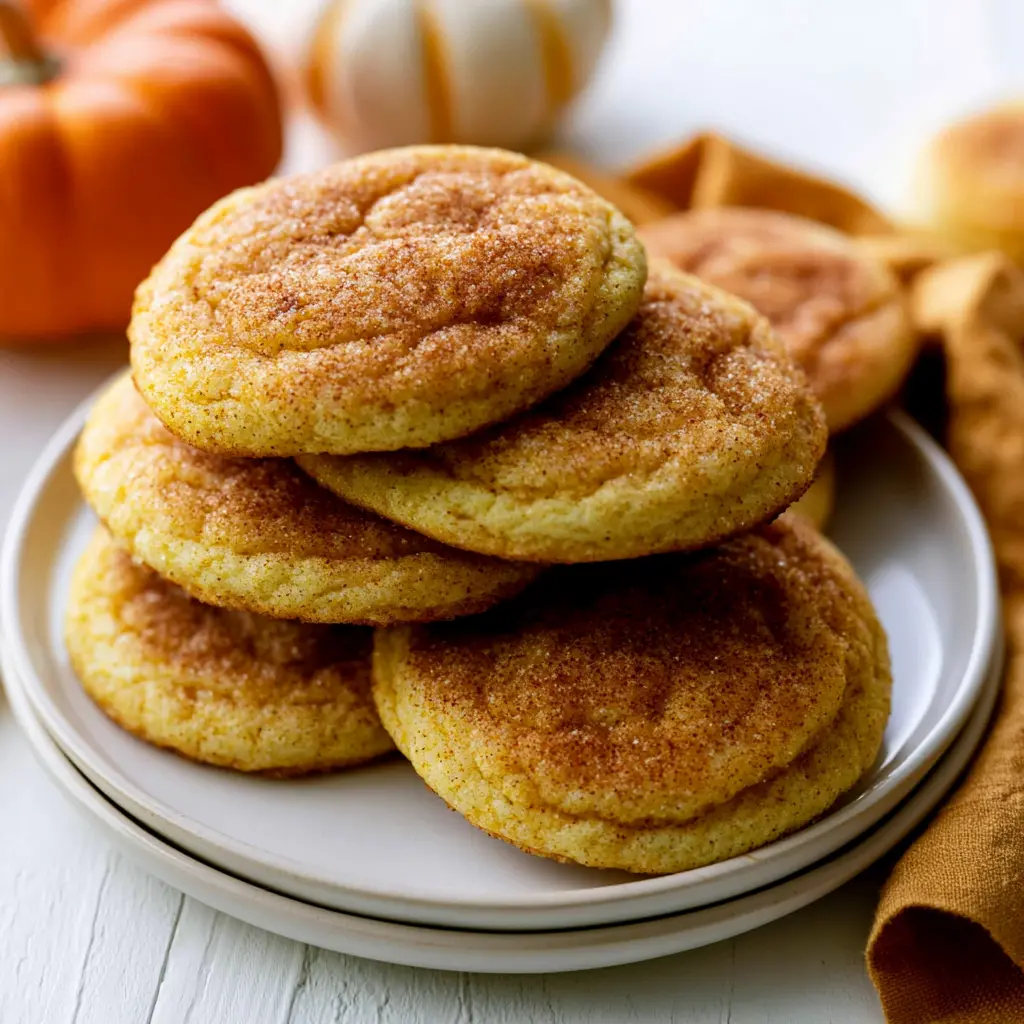
Why These Pumpkin Snickerdoodle Cookies Work
There’s a moment in late August when you can almost smell fall coming. The light shifts, the mornings get a little crisper, and suddenly you’re craving something warm and spiced. These pumpkin snickerdoodle cookies are that craving in cookie form.
I’ve baked a lot of pumpkin cookies over the years. Some came out cakey. Some came out flat. A few were so dry they crumbled before I could even get them to a plate. But these soft pumpkin snickerdoodles? They hit different.
The texture is pillowy. Honestly, like biting into a cloud that happens to taste like autumn. The pumpkin keeps the centers tender and moist, while the classic cinnamon-sugar coating gives you that signature crackly top. Every bite has that warm snickerdoodle flavor, plus enough cinnamon and nutmeg to feel like a real fall treat.
Here’s what I love most: they’re simple. No mixer required (so you can make them even while your coffee is still kicking in), and the whole thing comes together in about 27 minutes. That includes prep and bake time.
You’ll pull a tray out of the oven, watch those crackly tops do their thing, and suddenly summer doesn’t feel so bad anymore.
Key Ingredients for Pumpkin Snickerdoodle Cookies
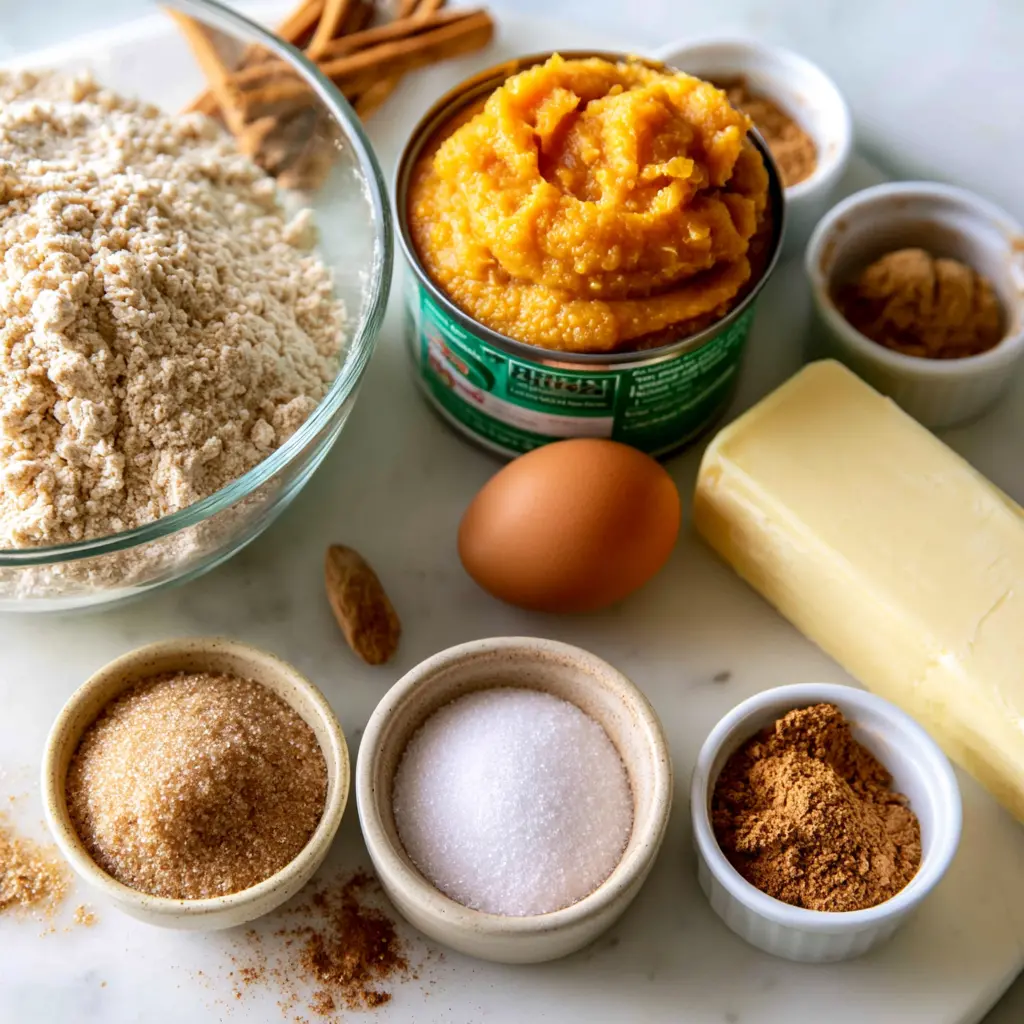
Let’s talk pantry staples. Most of these are already in your kitchen, which is half the reason this snickerdoodle recipe is so perfect for spontaneous fall baking. Here’s what you need and why each ingredient matters:
- Pure pumpkin puree: The star of the show. You need pure canned pumpkin, not pumpkin pie filling. Pie filling already has sugar and spices mixed in, and it’ll throw off the whole recipe. I usually grab a can at Ralphs or Trader Joe’s. Make sure the label just says “pumpkin.”
- Baking powder + baking soda: This combo gives the cookies their lift and softness. Notice there’s no cream of tartar in these pumpkin snickerdoodles. The leaveners handle the rise on their own, so you don’t have to hunt down that classic snickerdoodle ingredient.
- Light brown sugar + granulated sugar: Brown sugar brings chewiness and a subtle molasses note. Granulated sugar sweetens and helps create those delicate edges.
- Ground cinnamon + ground nutmeg: The spice backbone of these pumpkin spice cookies. One teaspoon of cinnamon goes in the dough, and a whole tablespoon gets mixed with sugar for the coating.
- Unsalted butter, softened: Take it out of the fridge about an hour before baking. You want it soft enough to cream easily, but not melty.
The full measurements are in the recipe card below. But this is the lineup, and it’s beautifully simple.
How to Make Pumpkin Snickerdoodle Cookies
This is one of those easy pumpkin cookie recipes that feels almost too good to be true. Let me walk you through the four big stages so you know exactly what to expect.
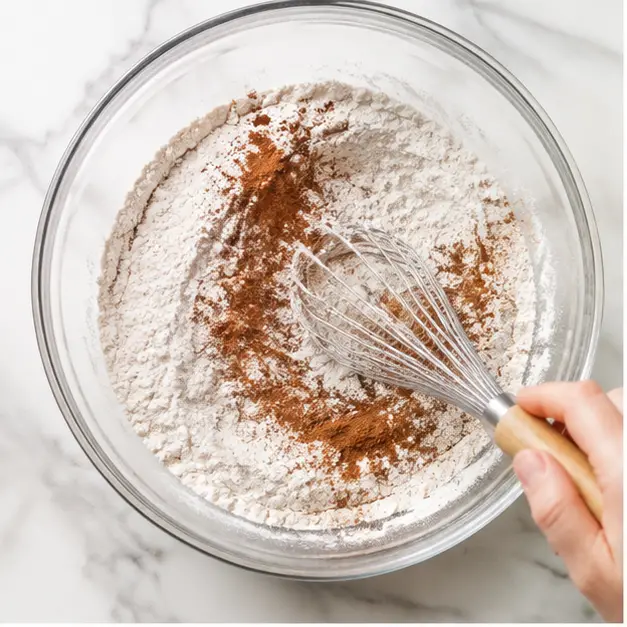
Stage one: Whisk the dry ingredients
In a medium bowl, whisk together the all-purpose flour, baking powder, baking soda, salt, cinnamon, and nutmeg. Two minutes, done. Whisking aerates the flour and spreads the spices evenly, so you don’t bite into a clump of cinnamon in one random cookie while another one tastes plain.
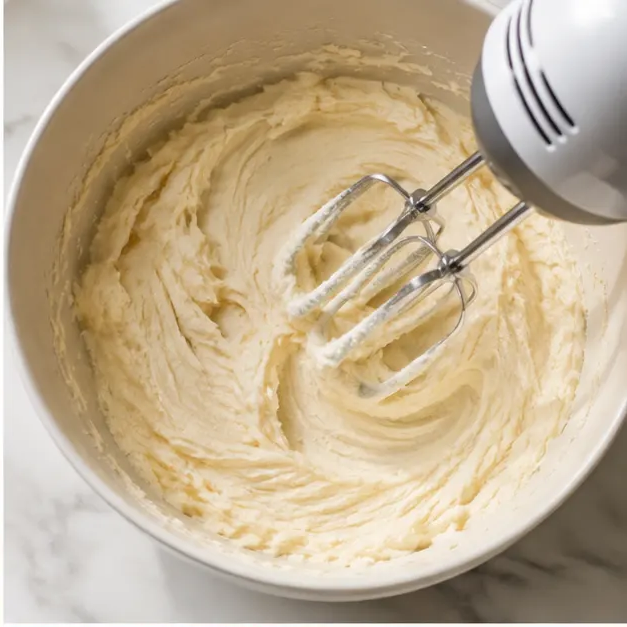
Stage two: Cream the butter and sugars
In a large bowl, beat the softened butter with both sugars until light and fluffy. This takes about 2 to 3 minutes with a hand mixer. You’re looking for a pale, creamy texture that holds its shape. Then mix in the pumpkin puree and the egg. Beat until smooth and glossy, like a thick pumpkin butter. The smell at this point is unreal.
Stage three: Combine the dough and roll in cinnamon sugar
Gradually add the dry mixture to the wet, stirring gently until just combined. Stop the moment the flour disappears. Overmixing develops gluten, and gluten makes tough cookies.
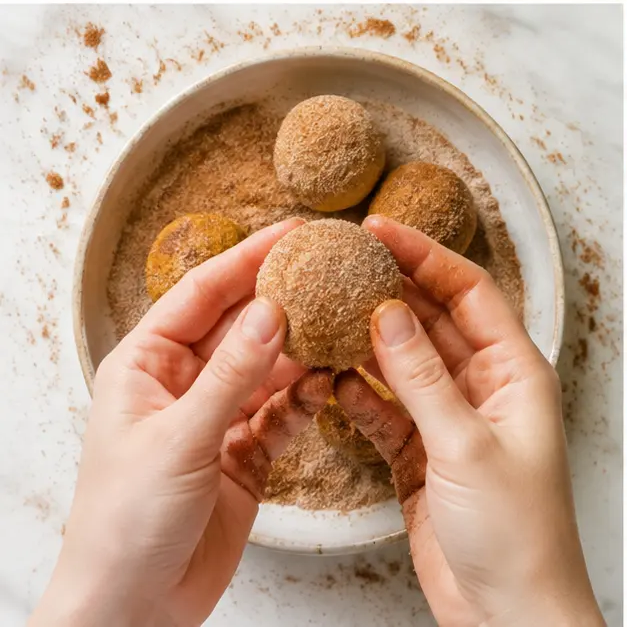
Now, here’s the trick: the dough is wetter and stickier than a normal snickerdoodle dough. Don’t panic. That’s exactly why the cookies come out soft. If it feels impossible to roll, chill it for 30 minutes. Then stir together the cinnamon-sugar coating in a shallow bowl and roll tablespoon-sized dough balls until they’re completely covered.
Stage four: Bake until the edges are set
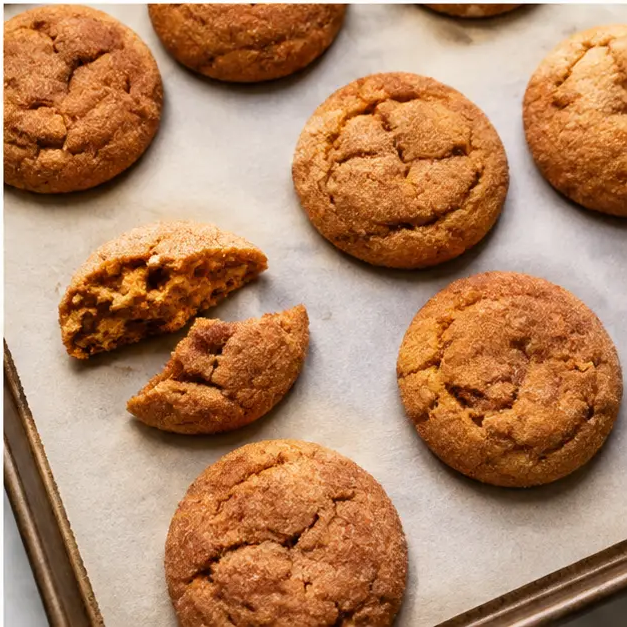
Place the dough balls about 2 inches apart on parchment-lined baking sheets. Bake at 350°F for 10 to 12 minutes. Pull them when the edges look set but the middles still look slightly underdone. They’ll finish baking on the hot sheet. Let them cool for 5 minutes on the pan, then transfer to a wire rack.
That 5-minute rest is crucial. It’s when the centers settle into that soft, chewy perfection. You’ll hear the slightest crackle as they cool. It’s a beautiful sound.
Tips for Soft and Chewy Pumpkin Snickerdoodles
After way too many test batches (my first attempt looked like pumpkin pancakes, turns out I was skipping the 30-minute chill), I’ve learned what actually makes the difference. Here are the tips that matter:
- Chill the dough if it’s sticky. This pumpkin cookie dough is naturally wet. If you can’t roll it without making a mess, a quick fridge break fixes everything.
- Don’t overmix. Stir the flour in until it just disappears. Overworking the dough makes dense, tough cookies.
- Use a cookie scoop. Consistent sizing means even baking. A 1-inch scoop or a heaping tablespoon works perfectly.
- Never put cold dough on a warm baking sheet. It’ll melt and spread into flat pancakes. Keep your baking sheets at room temperature between batches.
- Pull them early. The visual cue is everything: edges set, centers slightly soft and puffed. They finish baking on the sheet.
- Let the butter soften naturally. Don’t microwave it into a puddle. Softened butter creams better and gives you a smoother dough.
- Use parchment paper. It prevents sticking and makes cleanup effortless. Worth every penny.
Common Pumpkin Snickerdoodle Problems and Fixes
Let’s troubleshoot. Because I’ve been there, and it’s never fun when a batch of pumpkin snickerdoodle cookies doesn’t cooperate.
❌ My cookies spread into flat pancakes.
✅ This usually means the dough was too warm. Chill it for 30 minutes before rolling, and make sure your baking sheet isn’t warm when the dough hits it. Also check that your baking powder and baking soda aren’t expired.
❌ My cookies came out cakey, not chewy.
✅ Too much moisture is usually the culprit. Make sure you’re using pure pumpkin puree, not pumpkin pie filling. You can also try the egg yolk-only variation to reduce excess moisture and get a denser, gooier center.
❌ My cookies are falling apart.
✅ They’re likely overbaked. Remember: pull them when the edges are set and the centers still look slightly underdone. Let them cool for the full 5 minutes on the sheet before moving them to a wire rack.
❌ My cookies are dry.
✅ Overmixing is a common cause, as is overbaking. Stir gently, pull early, and don’t skip the 5-minute rest. The residual heat finishes the centers while keeping them moist.
❌ My cinnamon-sugar coating won’t stick.
outside. If the surface has dried out while chilling, give each ball a gentle squeeze between your palms just enough to bring back that tackiness then roll it in the cinnamon sugar. The coating needs something to grab onto.
❌ My cookies didn’t crack on top.
✅ This almost always comes down to the coating. Roll generously, and make sure the dough is still tacky when it meets the sugar. As the cookies bake, the sugary shell sets while the centers are still rising, and that difference in timing is exactly what creates the crinkles. No shell, no crackle.
That covers the problems I see most in reader emails. And if a batch still doesn’t turn out perfect? Take a breath. They’re still pretty delicious with a cold glass of milk.
Pumpkin Snickerdoodle Cookie FAQ
These are the questions I get asked again and again from readers, from friends hovering in my kitchen, from people who’ve just pulled a questionable-looking tray out of their own oven.
Can I make the dough ahead of time?
Yes. Wrap the dough tightly in plastic wrap and refrigerate for up to 3 days. Let it sit at room temperature for about 15 minutes so it’s scoopable, then roll and coat as usual. I actually find the cookies bake even better after a long chill the flour fully hydrates and the spices get time to mingle.
Can I freeze the dough?
Absolutely. Scoop the dough into balls and freeze them on a parchment-lined baking sheet until solid, about 1 hour. Transfer to a freezer bag and keep for up to 3 months. One important note: don’t roll the balls in cinnamon sugar before freezing it turns gummy as it thaws. Coat them after. Thaw in the fridge overnight (or bake straight from frozen and add 2 to 3 minutes to the bake time).
Can I freeze baked cookies?
Yes. Cool completely, then layer them in an airtight container with parchment between layers. They’ll keep for up to 3 months. Thaw at room temperature for about 30 minutes, or give one a quick 15-second microwave blast for that just-baked warmth.
Can I make pumpkin snickerdoodles without cream of tartar?
You don’t have to worry about it here this recipe doesn’t use any. The baking powder and baking soda handle the lift, so there’s no special ingredient to track down at 9 p.m. when the craving hits.
Do I need to blot or squeeze the pumpkin puree?
Not for this recipe. The butter, sugar, and flour ratios are designed to handle the moisture from the pumpkin without turning cakey. But if your can of pumpkin looks unusually watery at the top some brands separate a bit stir it well first, and pat the measured puree gently with a paper towel if you want extra insurance.
Can I use fresh pumpkin instead of canned?
You can, but I’d steer you toward canned. Fresh pumpkin puree is much higher in water, and you’d need to drain it in cheesecloth overnight to get the right texture. Canned pure pumpkin Libby’s is my favorite is consistent, convenient, and tastes just as good.
Why are my cookies puffy and cakey?
Usually one of three things: too much moisture in the pumpkin (make sure it’s pure pumpkin puree, not pie filling), overmixing once the flour goes in, or leaving them in the oven too long. Pull them at 10 minutes when the edges are set, even if the centers still look soft.
How do I know when they’re done?
The edges should look set and just barely golden. The centers will still look slightly puffy and almost underdone that’s not a mistake, that’s the plan. After 5 minutes on the baking sheet, the residual heat settles the centers into that soft, chewy middle.
Storage and Make-Ahead Tips
Honest confession: in my house, these cookies rarely make it to day two. My husband “checks on them,” and suddenly the plate is empty and he’s asking when the next batch is coming. But just in case you have more self-control than we do, here’s how to keep them fresh.
- Room temperature: Keep in an airtight container for up to 3 days. Add a slice of sandwich bread to the container for extra softness it’s a weird trick, but it works like a charm.
- Fridge: Avoid. The refrigerator dries out cookies and dulls their flavor. If you need more time, freeze instead.
- Uncovered overnight trick: This sounds wrong, but hear me out leaving baked cookies uncovered on a cooling rack overnight concentrates the chewiness and deepens the spice flavor. The surfaces dry just a touch while the centers stay soft. Try it once and you’ll understand.
- Reheating: An air fryer at 300°F for 3 minutes is my favorite way to bring them back to life. A microwave works too 10 to 15 seconds, no more.
Make-Ahead Timeline
- Up to 3 days before: Make the dough and refrigerate. Roll, coat, and bake the day you need them.
- Up to 3 months before: Freeze unbaked, uncoated dough balls. Thaw overnight, coat in cinnamon sugar, then bake.
- Baked and frozen: Freeze fully baked cookies for up to 3 months. Thaw at room temperature whenever the craving ambushes you.
Variations and Substitutions
Once you’ve made these a couple times, feel free to play. Here are the variations my readers and I have actually tested no experimental disasters included.
White chocolate pumpkin snickerdoodles. Fold in a heaping cup of white chocolate chips (about 6 ounces) after the flour disappears. The creamy sweetness against the cinnamon-sugar crunch is dangerous. This version has been known to convert pumpkin skeptics.
Cinnamon chip version. Swap the white chocolate for cinnamon chips if you can find them Hershey’s makes a solid one. For cinnamon lovers, this is the ultimate upgrade.
Dark brown sugar. Use all dark brown sugar instead of light. The extra molasses makes the cookies deeper, richer, and noticeably chewier. It’s a one-for-one swap, no other changes needed.
Egg yolk only. For a denser, gooier center, use 2 egg yolks instead of 1 whole egg. The cookies come out richer and even more tender. This is the trick pros use when they want that fudgy bite.
Brown butter version. Feeling fancy? Melt 1 cup of unsalted butter in a saucepan over medium heat and cook until it turns amber and smells nutty, about 5 to 7 minutes. Let it cool until it’s the consistency of softened butter you can speed this up in the fridge, stirring every few minutes then cream it with the sugars as directed. The toasted notes take these pumpkin cookies to another level entirely.
Gluten-free. Cup4Cup gluten-free flour works beautifully in this recipe, swapped one-for-one by volume. I’ve tested it more than once, and the texture holds up surprisingly well.
Egg-free. You can actually omit the egg completely here the pumpkin provides enough moisture to bind the dough. The cookies will be slightly softer and more delicate, so handle them gently when they come out of the oven.
No mixer, no problem. The whole recipe works with a sturdy whisk or wooden spoon. Cream the butter and sugars by hand for an extra few minutes until light and fluffy, then proceed. It’s a tiny arm workout in exchange for cookies, which is a fair trade.
Why These Cookies Stay Soft: A Little Recipe Science
Quick nerdy detour, because understanding the why makes you a better baker and it’ll help you fix problems before they start. Pumpkin is about 90 percent water by weight. That’s the whole reason pumpkin cookies so often turn into tiny cakes: all that extra water creates steam in the oven, which puffs the dough up like a muffin. Great if you’re baking bread. Terrible if you want a dense, chewy snickerdoodle.
So how do these pumpkin snickerdoodle cookies dodge the cakey trap? Four built-in safeguards:
- A measured pumpkin-to-flour ratio. Just enough pumpkin for flavor and moisture, but not so much that the dough turns to batter.
- Calibrated leaveners. Baking powder and baking soda work together to lift the cookies just enough for a soft, bakery-style crumb without over-puffing them.
- The early pull. Taking the tray out when the edges are set but the centers are still soft lets the residual heat finish the baking gently. No dried-out middles.
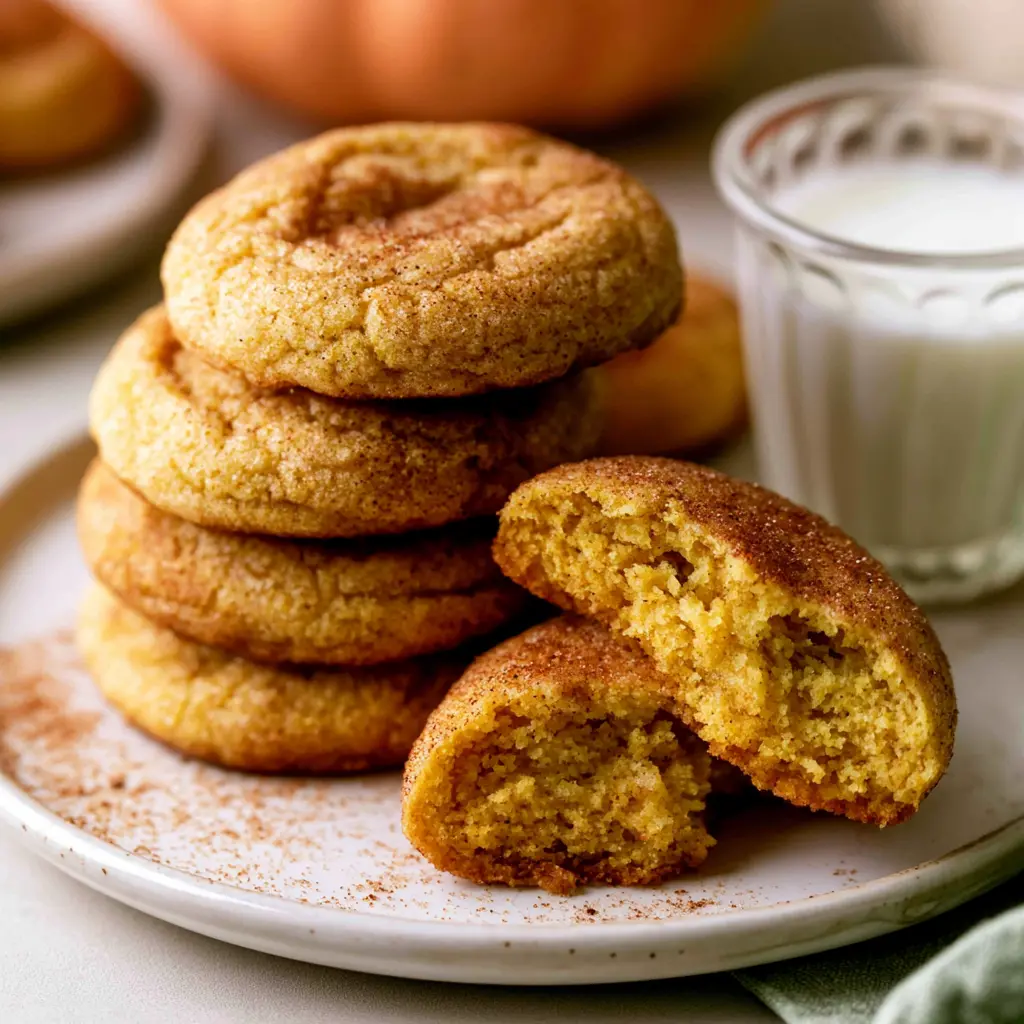
- The cinnamon-sugar shell. That crackly coating isn’t just for looks. The sugary crust traps moisture inside, which keeps the centers tender even on day three.
And the crackly top? That’s a happy accident of timing. The outer sugar crust sets while the still-warm center keeps expanding, so the surface fractures into those beautiful craggy lines. It’s science. But honestly, it’s also just the most satisfying thing to watch through the oven window.
Expert Notes & Data Insights
I want to close with the things that took me dozens of batches to learn the insights I wish someone had handed me the first time I tried to make a pumpkin snickerdoodle that wasn’t a cake.
Butter temperature is make-or-break. For the creaming method here, you want your unsalted butter around 65–67°F. It should yield when you press a finger into it but still look slightly firm and never shiny. Too soft, and your dough spreads into flat, waxy disks. Too cold, and it won’t cream properly.
The dough should feel like cold, sticky play dough. Not batter, not stiff rolling dough somewhere in the sticky middle. If it’s too wet to handle, the 30-minute chill fixes everything. If it’s oddly dry (rare with pumpkin, but it happens), add a teaspoon of milk at a time until it comes together.
The 10-to-12-minute bake window is a range for a reason. Home ovens commonly run 20 to 25 degrees off their dial setting. Start checking at 9 minutes. The difference between a good pumpkin snickerdoodle and a great one is about 90 seconds.
Here’s my favorite number: this whole recipe, from cracking open the can of pumpkin to pulling the last tray out of the oven, takes about 27 minutes. That’s shorter than most TV episodes. One bowl, one whisk, a cookie scoop, and you’ve got fall on a cooling rack.
I have a feeling these will become your fall staple the way they’ve become mine. When you make them and I really hope you do leave a comment or tag me in a photo. There’s nothing that makes my day like a batch of cookies going right in someone else’s kitchen. And when that first tray comes out, golden at the edges and crackled on top, go ahead and grab one while it’s warm. You’ve absolutely earned it.