easy pesto recipe
Ingredients
Method
- Rinse the basil leaves and dry them thoroughly, using a salad spinner if you have one.
- Add the basil to a food processor. Then add the Parmesan, pine nuts, garlic, lemon juice, olive oil, salt, and pepper. Process until the mixture is smooth.
- Taste and season with extra salt if you like, then serve or store.
Nutrition
Notes
Tried this recipe?
Let us know how it was!Why This Easy Pesto Recipe Works (Even on Your Craziest Nights)
You know those nights when the fridge is basically empty, the kids are asking what’s for dinner, and you just can’t even? Yeah, me too. That’s exactly when this easy pesto recipe saves the day. I’m not exaggerating when I say it takes less time than boiling a pot of pasta. And it tastes, I promise you, a thousand times better than anything from a jar.
This isn’t some fussy, complicated thing. It’s a simple pesto recipe that works every single time. We’re talking five minutes of active work, a food processor, and a handful of fresh ingredients. The smell alone will make you feel like you’ve got your life together, even if the laundry is staring at you from the corner. Trust me on this.
The secret? It’s all about the ratio and not overthinking it. Too many recipes make you feel like you need a culinary degree. This one just needs you to have a bunch of basil, some good olive oil, and a little bit of faith. Oh, and a food processor. That helps a lot.
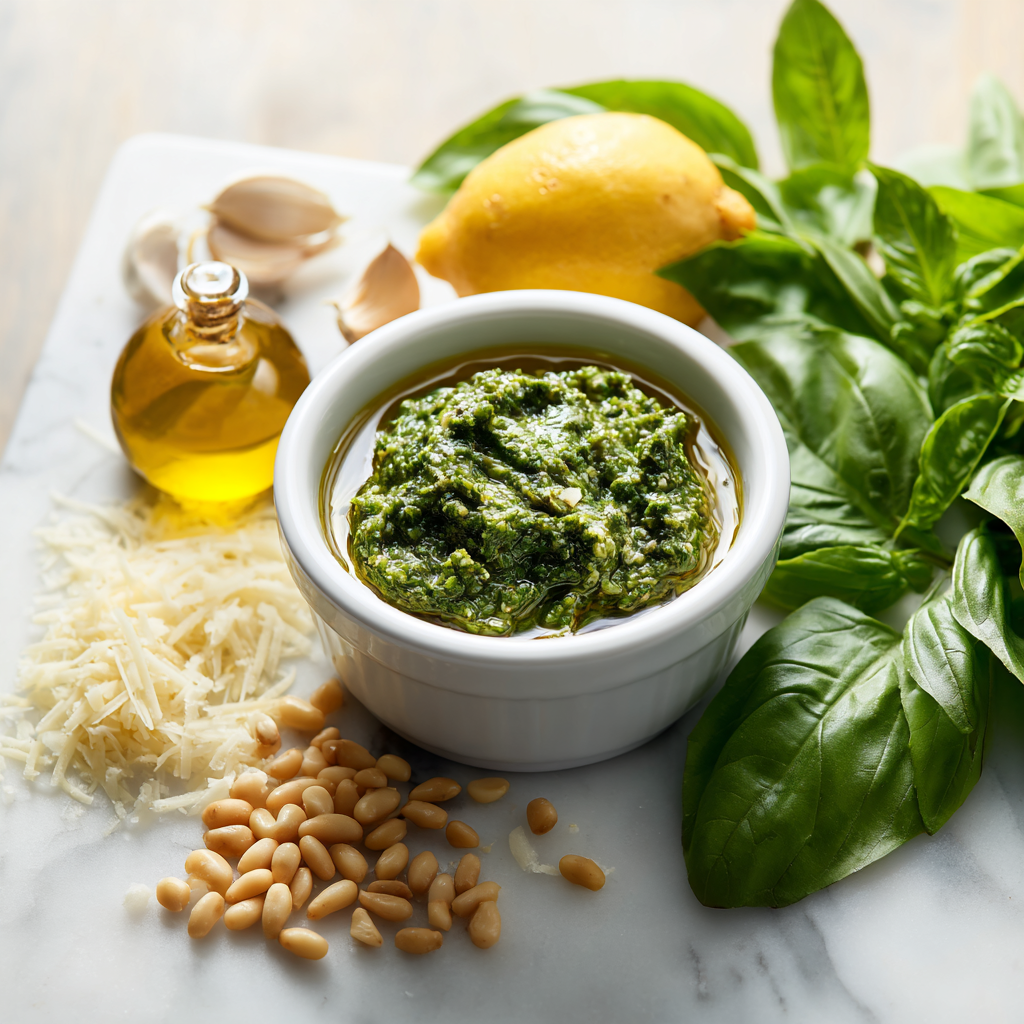
Key Ingredients You Need & Why They Matter
Let’s talk about what goes into this homemade pesto sauce. The ingredient list is short, but each one pulls its weight. Here’s the deal with the basics for this basil pesto ingredients lineup.
- Fresh Basil Leaves: This is the star. Don’t even think about using dried basil. You want 2 cups, packed tight. When I measure, I really press those leaves into the cup. Old basil that’s starting to wilt will make your pesto brown and sad, so get the freshest bunch you can find.
- Parmesan Cheese: A 3/4 cup of shredded Parmesan gives that salty, nutty backbone. I use the good stuff from the deli counter, not the green can. It melts into the oil and makes everything creamy.
- Extra Virgin Olive Oil: A full 1/2 cup. This is your liquid gold. Use a good quality one, preferably California-grown if you can find it. It’s what makes the pesto smooth and luxurious.
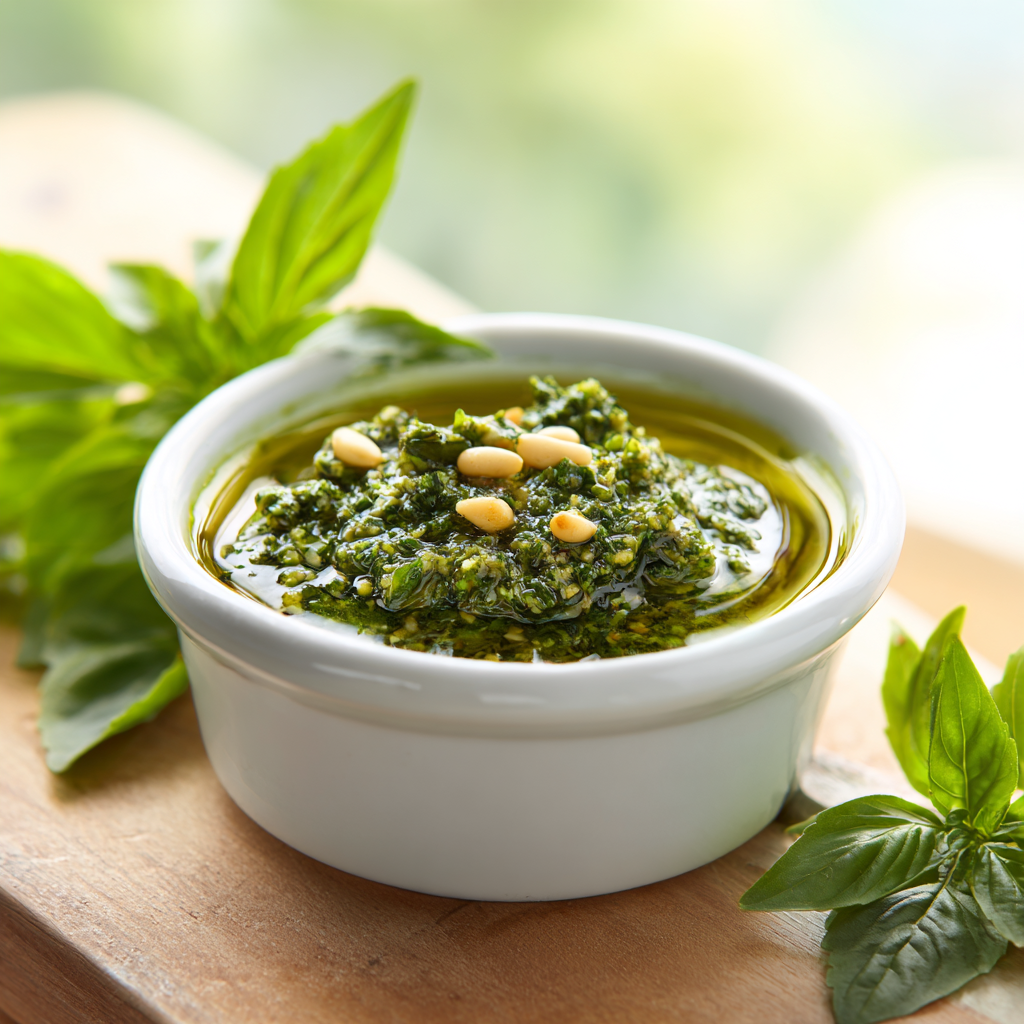
- Pine Nuts: These are traditional, and they add a lovely buttery richness. But they’re expensive, right? No worries. A pine nut substitute like walnuts or even almonds works beautifully. We’ll get into that more in a bit.
- Garlic Cloves: Just two cloves. Raw garlic is punchy and perfect. If you only have the jarred minced stuff, you can use about 3 teaspoons. It’s not quite the same, but it’ll do in a pinch.
- Fresh Squeezed Lemon Juice: This is my secret weapon. A 1/4 cup of fresh lemon juice (from about one Meyer lemon) brightens everything up and helps keep that vibrant green color from turning brown. Don’t skip it.
- Salt & Pepper: Simple seasonings to tie it all together. Start with 1/2 teaspoon of salt and 1/4 teaspoon of pepper, then adjust to your taste.
How to Make Easy Pesto: The Four Stages
Okay, let’s get to the actual making part. This is where the magic happens. I’ll walk you through the four major stages so you know exactly what to look for. Remember, this is a no-cook recipe, so no heat required.
Stage 1: Prep Your Basil
First things first, give those basil leaves a good rinse under cold water. You want to get any dirt or little critters off. Then, and this is important, you need to dry them thoroughly. I use a salad spinner for this. Wet basil will make your pesto watery and sad. You want the leaves to be completely dry, like little green pieces of paper.
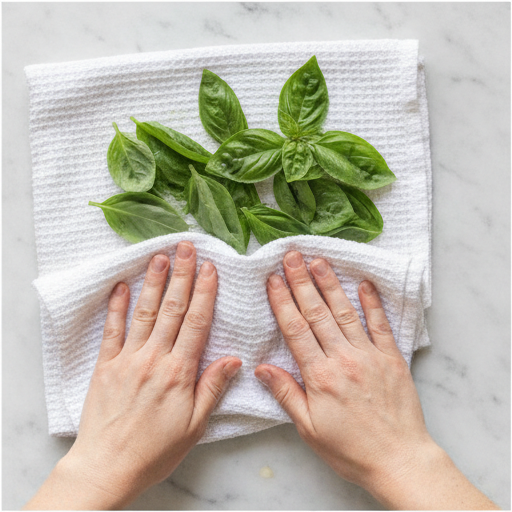
Stage 2: Load the Food Processor
Now, grab your food processor. If you don’t have one, a high-powered blender or even a NutriBullet will work. A mortar and pestle is the traditional way, but honestly, for a quick pesto sauce, the food processor is your best friend. Add the dried basil, the shredded Parmesan, the pine nuts (or your substitute), the garlic cloves, the lemon juice, the olive oil, and the salt and pepper. Just dump it all in there. It doesn’t have to be pretty.
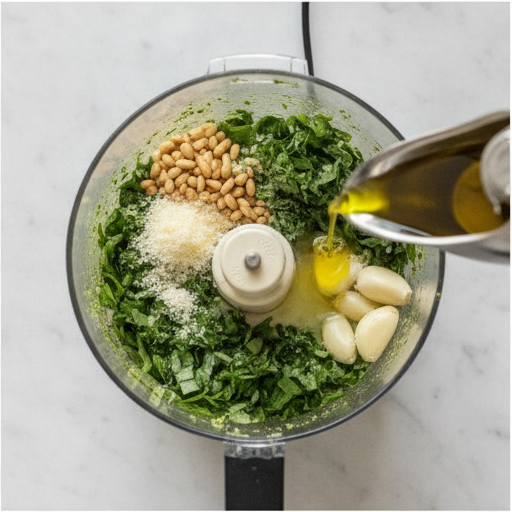
Stage 3: Process Until Smooth
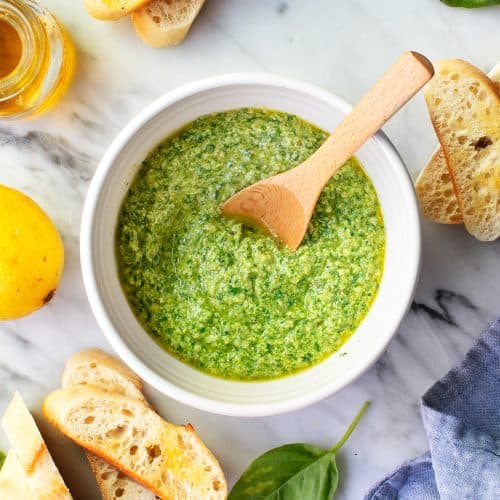
Put the lid on and start processing. You’ll need to stop and scrape down the sides a few times. The garlic and basil have a habit of sticking to the walls. Don’t overblend it though, unless you want pesto hummus. You’re looking for a smooth but slightly textured consistency. It should be thick and creamy, not a thin liquid. If it’s too thick, you can add a tiny splash more olive oil or even a tablespoon of water to help it along.
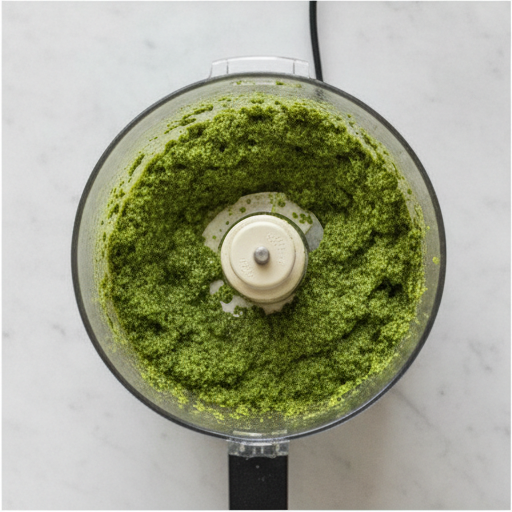
Stage 4: Taste and Adjust
This is the most important step. Give it a taste. Dip a clean spoon in there and try it. Does it need more salt? A little more lemon juice? A pinch more pepper? Trust your taste buds. Once it’s perfect, you’re done. Seriously, that’s it. You’ve just made fresh basil pesto from scratch.
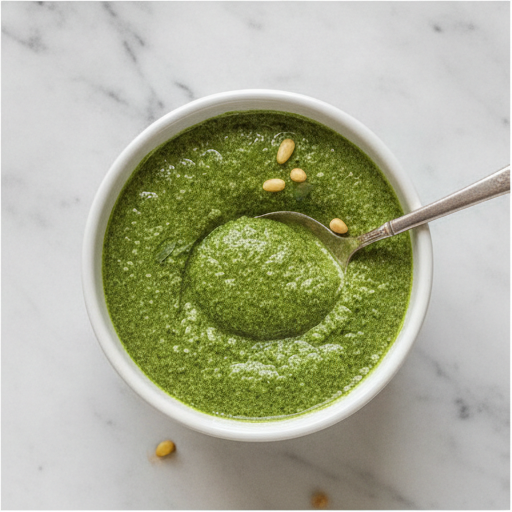
Pesto Variations to Try (When You Want to Mix It Up)
The beauty of this easy pesto recipe is how flexible it is. Once you know the basic ratio, you can swap things out based on what you have in your pantry. Here are some of my favorite ways to change it up.
- Nut-Free Pesto: If you have a nut allergy or just don’t have pine nuts, use roasted and salted sunflower seeds or pepitas (pumpkin seeds). They create a creamy, delicious pesto that’s totally nut-free.
- Walnut Pesto: This is my go-to pine nut substitute. Walnuts are much cheaper and add a slightly earthy, rich flavor. Just toast them lightly in a dry pan first for extra depth.
- Vegan Pesto or Dairy-Free Pesto: Swap the Parmesan for a good quality vegan Parmesan or nutritional yeast. Nutritional yeast gives that cheesy, savory flavor without any dairy.
- Different Greens: Swap half the basil for baby spinach, arugula, or even kale. If using kale, blanch the stems first to soften them. It changes the flavor profile completely and is a great way to use up leftover greens.
- Add Some Heat: Throw in a pinch of red pepper flakes or a small charred jalapeño for a spicy kick. It’s fantastic on grilled chicken.
Tips for the Best Pesto (Avoid These Common Mistakes)
I’ve made a lot of pesto in my time. And I’ve made plenty of mistakes too. So let me save you the trouble. Here are the most common pitfalls and how to avoid them.
- ❌ Using old, wilted basil. This is the number one killer. Old basil turns brown and bitter when blended.
✅ Solution: Always use the freshest, brightest green basil you can find. If the leaves are already turning dark, get a new bunch. - ❌ Not enough liquid. If your food processor is struggling and the pesto is just a dry paste, it won’t blend smoothly.
✅ Solution: Make sure you have enough oil. You can also add a tablespoon of water or extra lemon juice to help it blitz. - ❌ Over-processing. Blending it for too long creates a smooth, almost emulsified paste that loses its texture.
✅ Solution: Pulse and scrape. Stop when it’s still a little coarse. You want some texture, not a puree. - ❌ Not drying the basil. Watery basil makes watery pesto.
✅ Solution: Use a salad spinner or pat the leaves dry with a clean kitchen towel. Dry leaves are happy leaves. - ❌ Letting it turn brown. Exposure to air causes oxidation, which turns your beautiful green pesto an unappetizing brown.
✅ Solution: Press a piece of plastic wrap directly onto the surface of the pesto before sealing the container. Or, pour a thin layer of olive oil on top. This creates a barrier against the air.
How to Store and Freeze Pesto
One of the best things about this easy pesto recipe is that it stores beautifully. You can make a big batch and have it ready for the whole week. Here’s how to keep it fresh.
Refrigerator Storage: Transfer your pesto to an airtight container. Press a layer of plastic wrap directly onto the surface of the pesto (this is key to prevent browning), then put the lid on. It will keep in the fridge for up to a week. The flavor actually gets a little better after a day or two as the garlic mellows out.
Freezer Storage: This is a game-changer. Spoon the pesto into an ice cube tray. Freeze until solid, then pop the cubes out and store them in a freezer-safe bag. They’ll keep for up to 3 months. When you need a quick sauce, just grab a cube or two and thaw them in the fridge or toss them directly into hot pasta. It’s like having summer in your freezer.
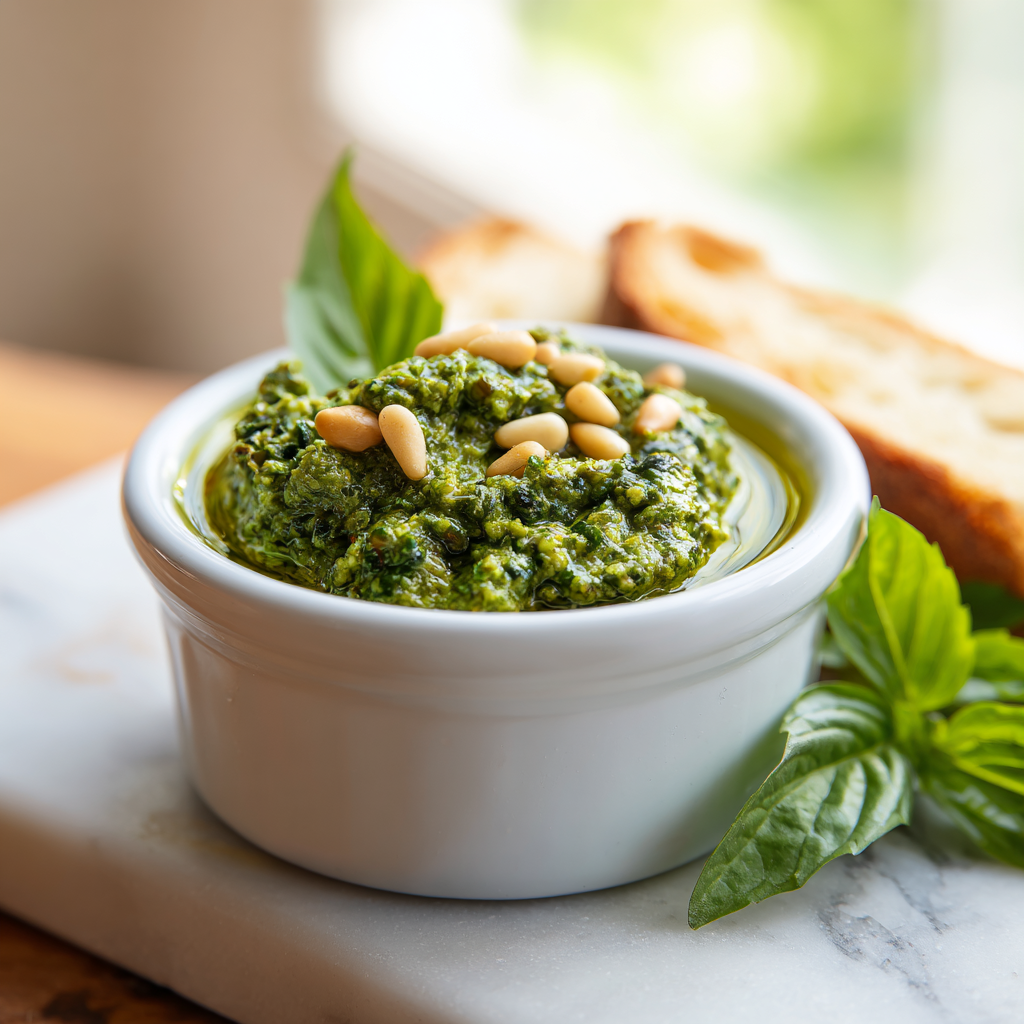
Ways to Use This Pesto (Beyond Just Pasta)
Sure, tossing this with hot pasta is the classic move. And it’s amazing. But don’t stop there. This stuff is incredibly versatile. Here are some of my favorite ways to use it.
- On Sandwiches and Wraps: Spread it on a turkey and provolone sandwich or a veggie wrap instead of mayo. It adds so much flavor.
- As a Marinade: Coat chicken, fish, or shrimp in pesto before grilling or baking. It keeps the meat moist and adds incredible flavor.
- On Eggs: A dollop of pesto on scrambled eggs or an omelet is a revelation. Trust me on this one.
- As a Dip: Serve it with crusty bread, crackers, or fresh veggies. It’s a perfect no-fuss appetizer.
- On Pizza: Instead of red sauce, use pesto as the base for a white pizza. Top with mozzarella, chicken, and sun-dried tomatoes.
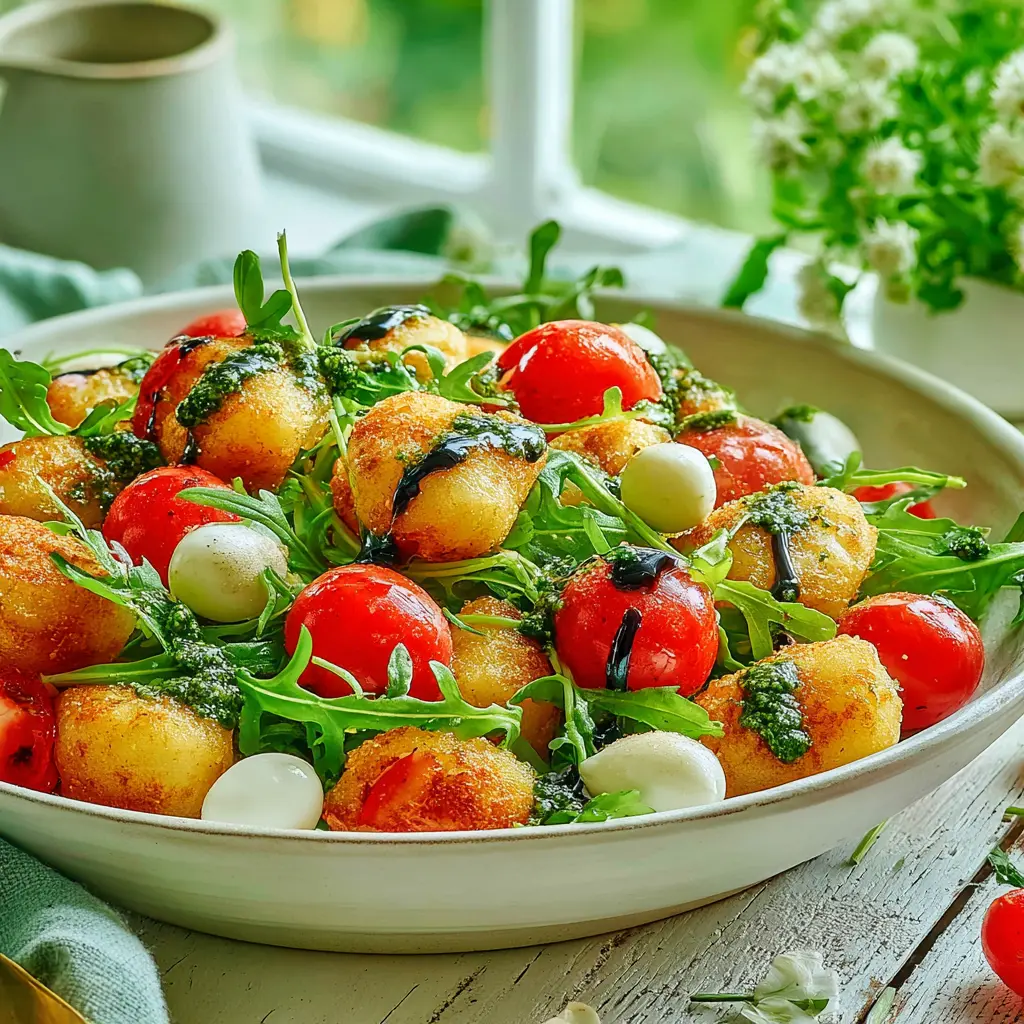
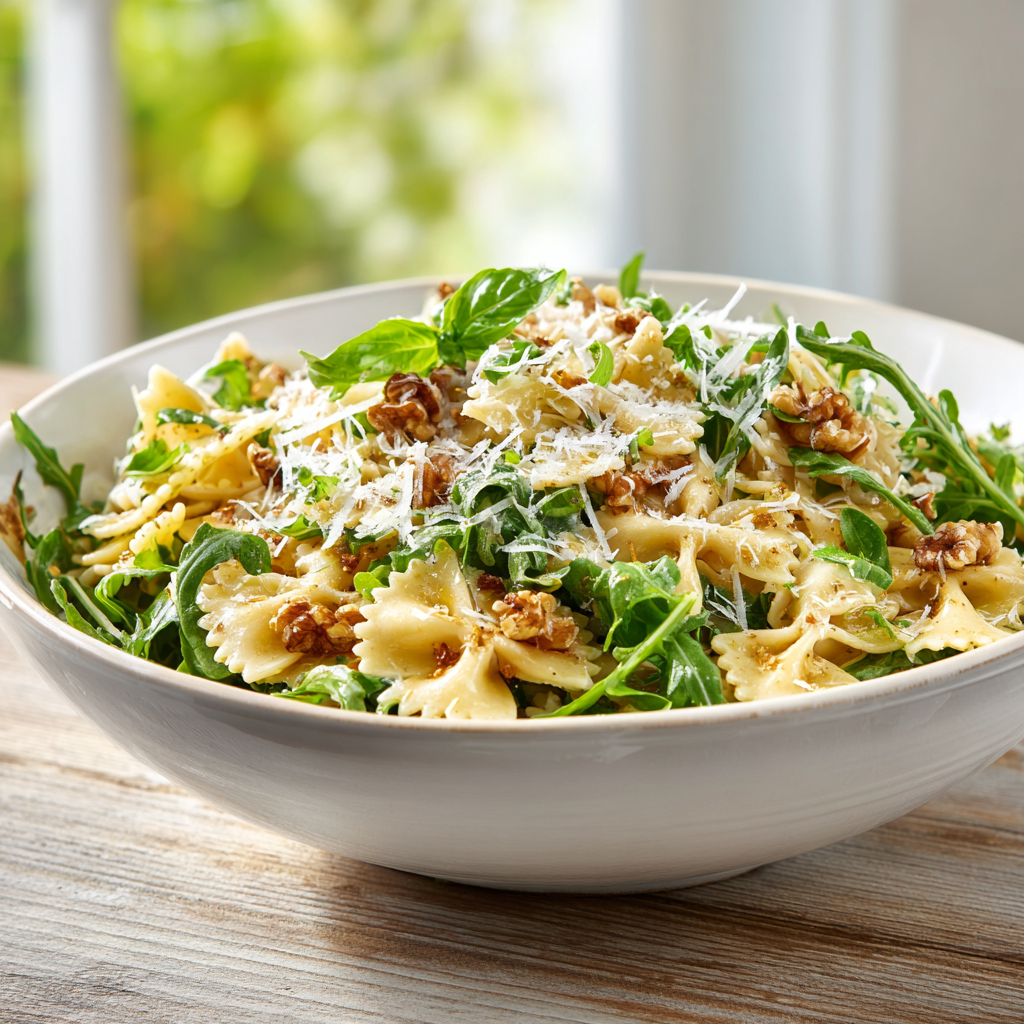
- In Cold Pasta Salads: Toss it with cold pasta, cherry tomatoes, and fresh mozzarella for a perfect summer side dish.
Frequently Asked Questions
So there you have it. My go-to, never-fails, easy pesto recipe. It’s fresh, it’s fast, and it’s going to make your weeknight dinners so much better. I really hope you give it a try. And when you do, tag me in your photos I love seeing all those beautiful green splatters on your cutting boards. Happy cooking!
Source: Health & Nutrition Research