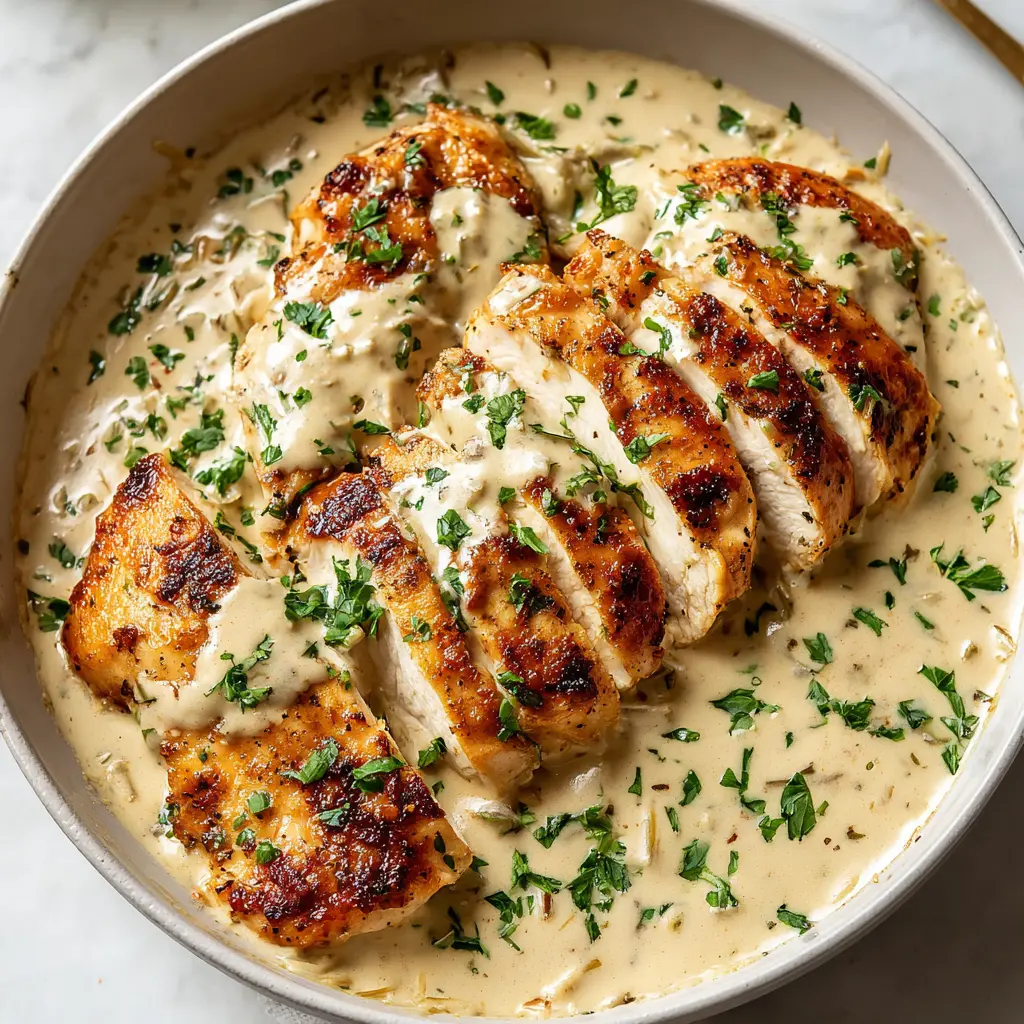
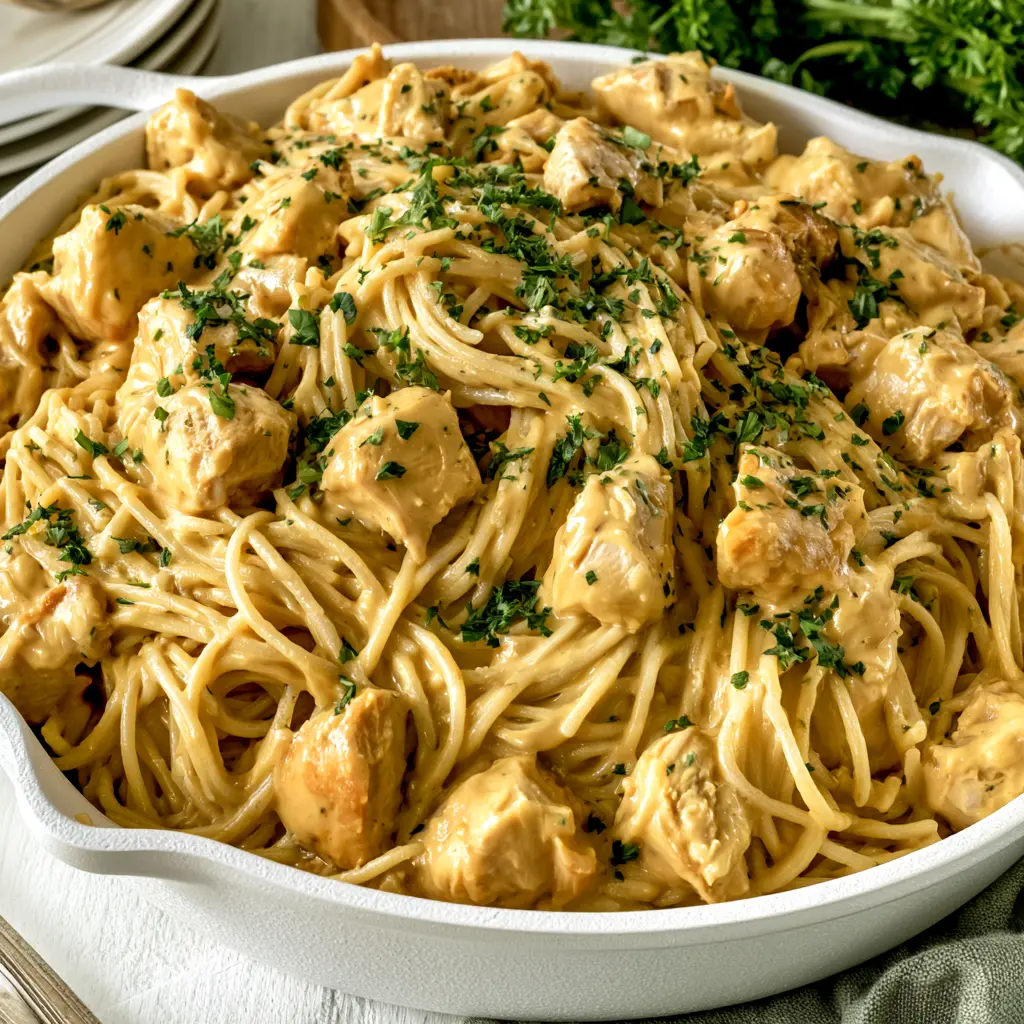
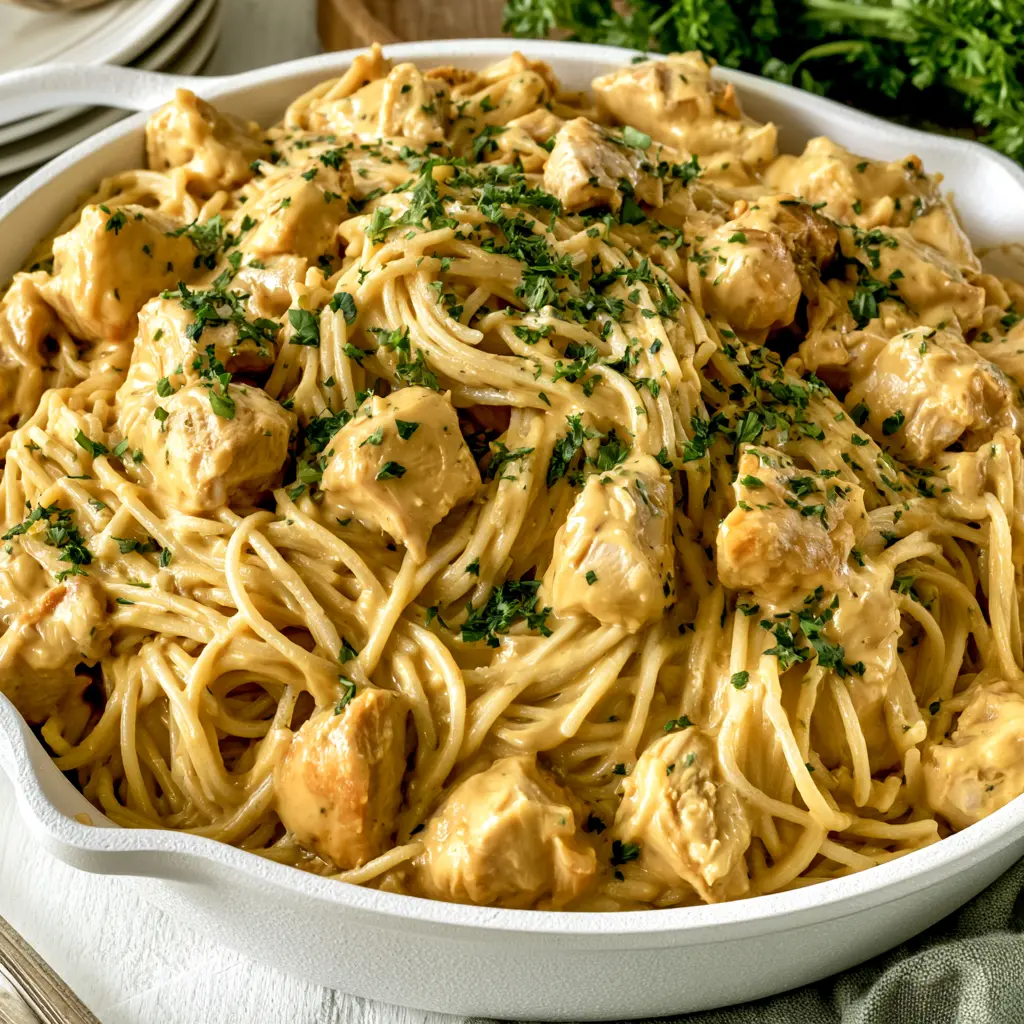
Creamy Chicken Spaghetti with Colby Cheese Sauce
Ingredients
Method
- Cut each chicken breast in half horizontally to make thinner cutlets.
- Pat the cutlets dry with paper towels and season evenly with Italian seasoning, salt, and pepper.
- Heat the olive oil in a large skillet over medium-high heat.
- Sear the chicken for 5 to 6 minutes per side, until golden and cooked through.
- Transfer the chicken to a plate and let rest for a few minutes, then dice into bite-size pieces.
- Reduce the skillet heat to medium-low and melt the butter, scraping up any browned bits from the bottom.
- Add the diced onion and cook for about 4 minutes, until soft and translucent.
- Stir in the minced garlic and cook for 1 minute, until fragrant.
- Sprinkle the flour over the onions and stir to coat; cook for 2 minutes, stirring often.
- Gradually pour in the chicken broth while stirring constantly, until the mixture is smooth.
- Slowly add the milk, whisking constantly until fully combined.
- Add the softened cream cheese and stir until melted and the sauce is silky.
- Turn the heat to low and stir in the shredded Colby cheese until completely melted.
- Stir in the tomato sauce until evenly blended.
- Bring a large pot of generously salted water to a boil.
- Add the thin spaghetti and cook according to package directions until al dente.
- Drain the spaghetti well and set aside.
- Add the diced chicken and cooked spaghetti to the sauce in the skillet.
- Toss gently until every strand of spaghetti and piece of chicken are coated in the creamy sauce.
- Garnish with chopped parsley and serve warm.
Nutrition
Notes
Tried this recipe?
Let us know how it was!Why You’ll Love This Creamy Chicken Spaghetti
Some recipes just taste like home. This chicken spaghetti is one of them. The kind of dinner that fills the kitchen with the smell of butter, garlic, and melting cheese before anyone even finds their seat.
I grew up on versions of this dish at church potlucks and family get-togethers. This one, though, with its silky Colby cheese sauce, is the version I keep making. It’s creamy without being heavy. Cheesy without taking over. And it’s on the table in about 50 minutes.
- Simple pantry staples, nothing fancy
- One skillet handles most of the cooking
- Make-ahead and freezer friendly for busy nights
- Leftovers reheat well, which is rare for creamy pasta
Full honesty here. My first attempt at creamy chicken spaghetti came out soupier than soup. It still got eaten down to the last noodle, because it tasted amazing. I just learned a few things since then. Now the sauce comes out thick, glossy, and clinging to every strand.
You know the 5pm scramble, when homework, rides, and “what’s for dinner?” all crash into each other. This chicken spaghetti is the answer to that chaos. It’s one of those reliable weeknight dinner ideas that actually gets the kids to the table.
Key Ingredients & Substitutions
The ingredient list is short, and every piece earns its place in this chicken spaghetti. Here’s what you need and how to swap things when you’re in a pinch.
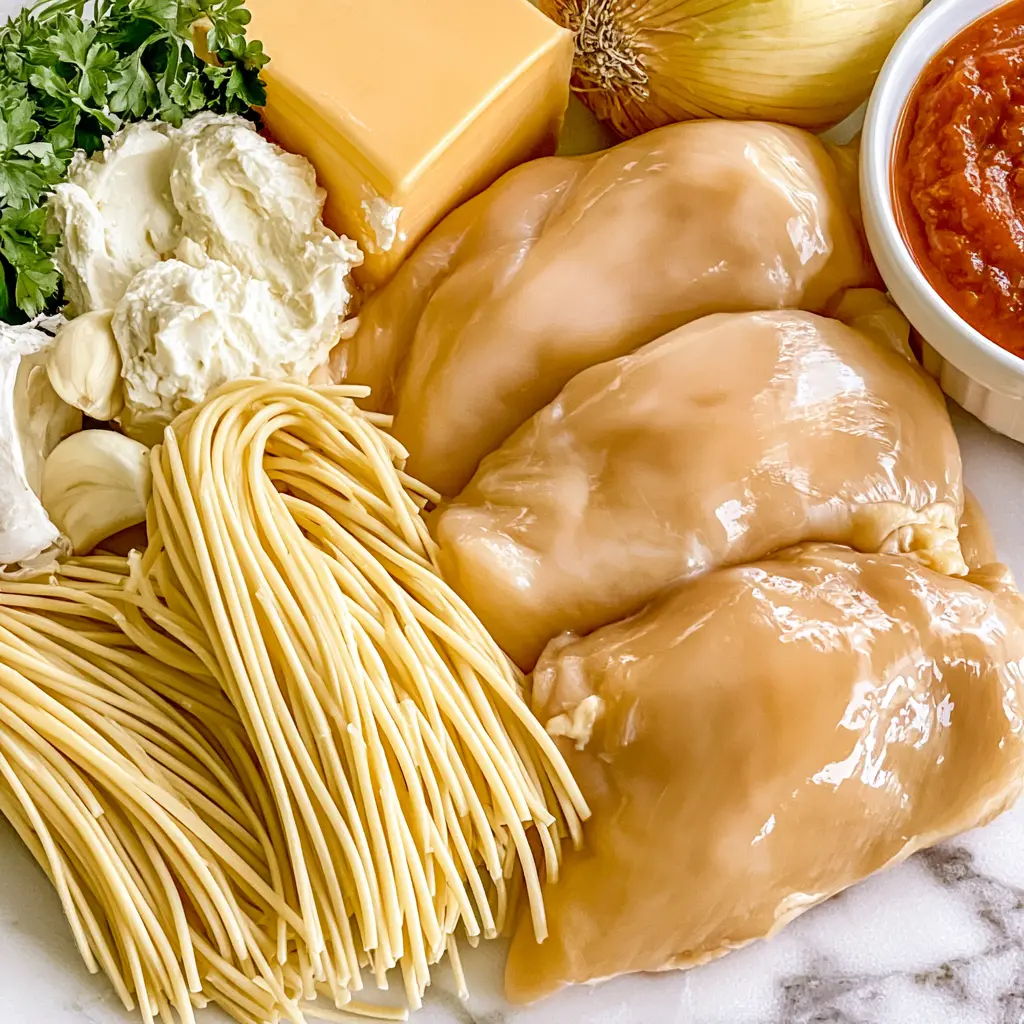
Chicken. Boneless, skinless chicken breasts get a quick sear, which builds flavor and keeps them juicy. If you’re short on time, leftover rotisserie chicken is a fantastic swap. Just shred or dice it and skip the searing step entirely.
Thin spaghetti. Thin strands soak up the creamy sauce without getting weighed down. Regular spaghetti, angel hair, or short shapes like penne and rotini all work beautifully.
Colby cheese. The star of the show. Colby melts into a smooth, mild, creamy sauce that pairs perfectly with the chicken and a touch of tomato. Sharp cheddar, Monterey Jack, or a Mexican cheese blend are all excellent stand-ins.
Cream cheese. The secret to that silky texture. It melts into the sauce, adds a subtle tang, and gives everything body so it clings to every noodle.
Broth and aromatics. A quality chicken broth builds the base, while yellow onion, garlic, and a little tomato sauce round out the flavor with depth and brightness.
How to Make Chicken Spaghetti
This chicken spaghetti comes together in four easy stages. No stressful techniques here. Just a large skillet, a pot for boiling pasta, and about 50 minutes.
Cook the Chicken
Slice the chicken fillets in half horizontally so they cook quickly and evenly. Pat them dry, season with Italian seasoning, salt, and pepper, then sear in hot olive oil until golden on both sides. Let the chicken rest for a few minutes before dicing, so those juices stay locked in.
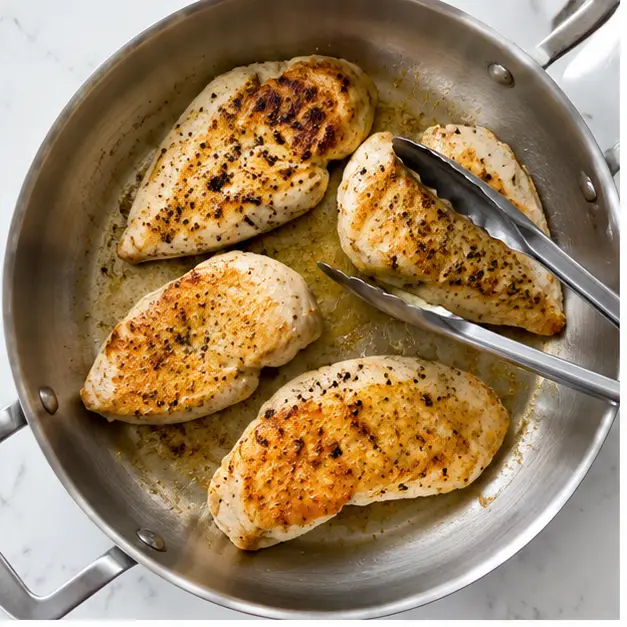
That golden crust is pure flavor. Don’t rush it, and don’t wash the skillet afterward. Those browned bits are about to become the backbone of your sauce.
Make the Colby Cheese Sauce
This is where the magic happens. Melt the butter in the same skillet and scrape up all those browned bits left from the chicken. That’s free flavor, so leave the pan exactly where it is.
Cook the onion until soft and translucent, then add the garlic for one fragrant minute. Sprinkle in the flour and let it cook for about two minutes, stirring often. This step removes that raw flour taste and helps the sauce thicken properly.
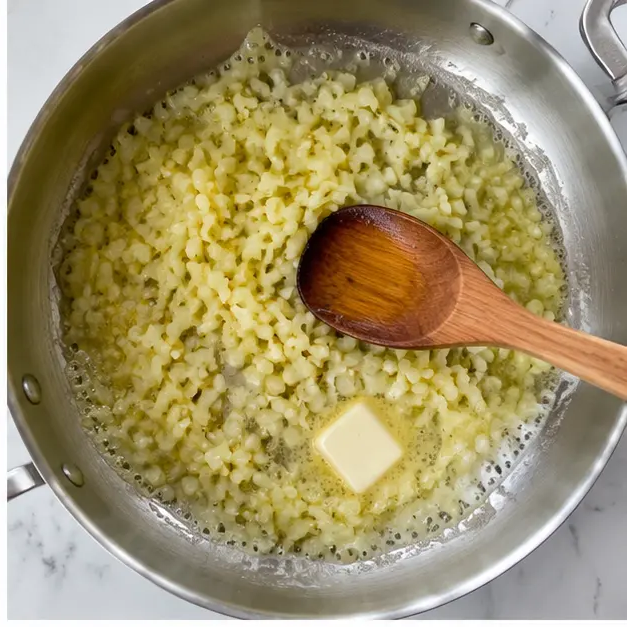
Pour in the chicken broth slowly while stirring, then the milk. Once it’s smooth, melt in the cream cheese. Lower the heat and stir in the shredded Colby until it’s completely melted and glossy. You’re looking for a sauce that’s thick enough to coat the back of a spoon.
Cook the Pasta
Bring a large pot of generously salted water to a boil and cook the thin spaghetti until al dente. I mean generously salted. That’s your only chance to season the pasta from the inside out.
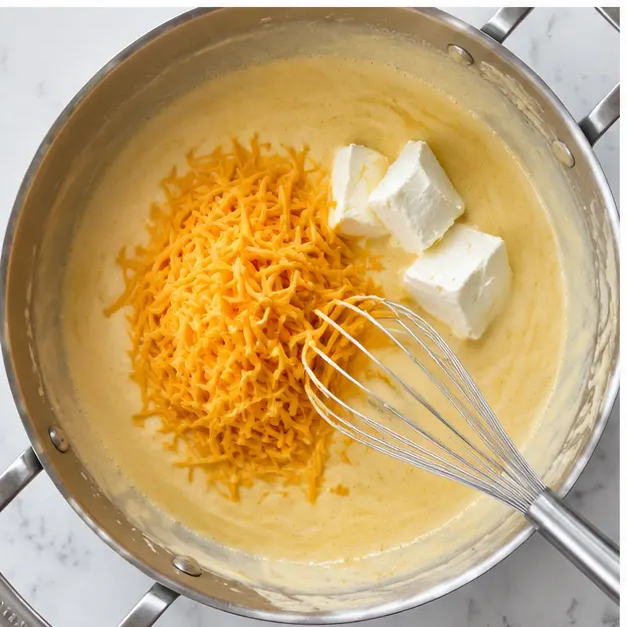
Drain the spaghetti really well before adding it to the sauce. Excess water is the enemy of a creamy coating. Cook it just under the package time, because the noodles keep absorbing sauce once they hit the skillet.
Bring It All Together
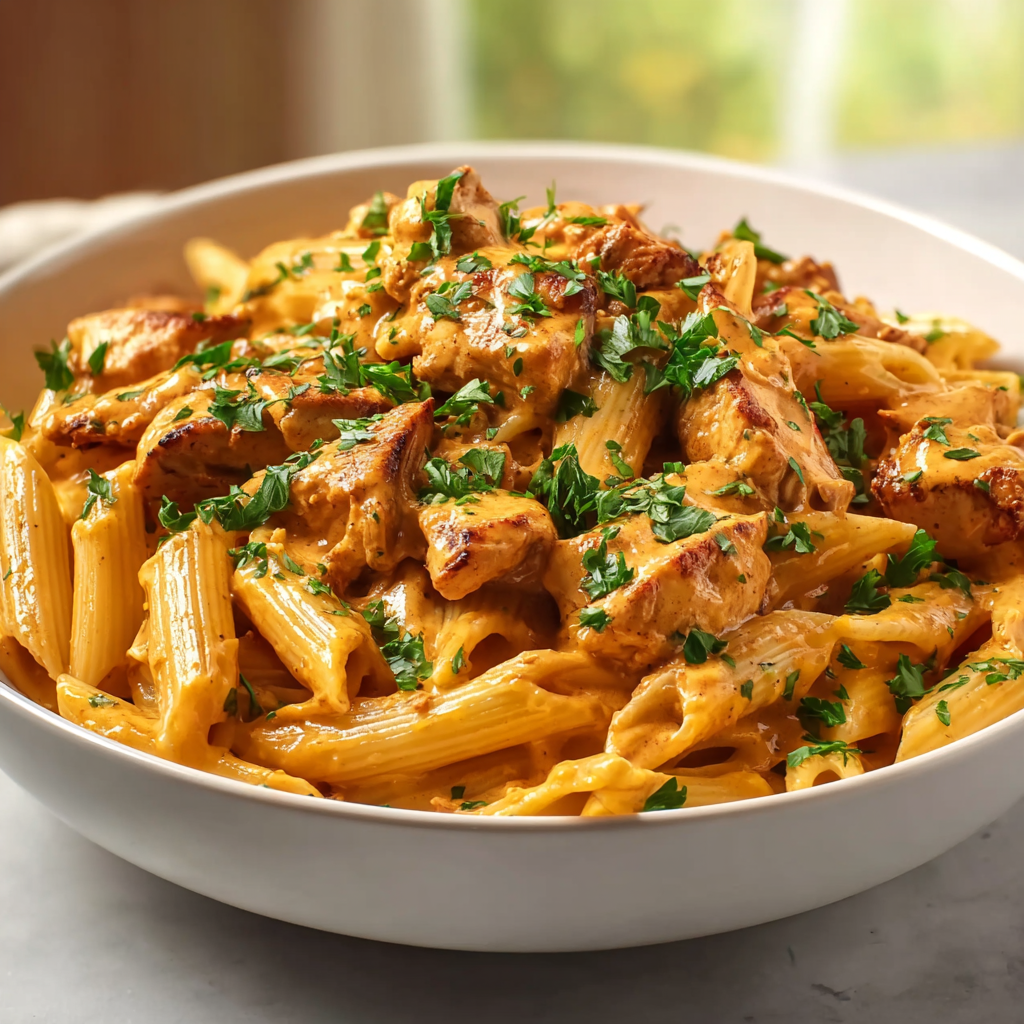
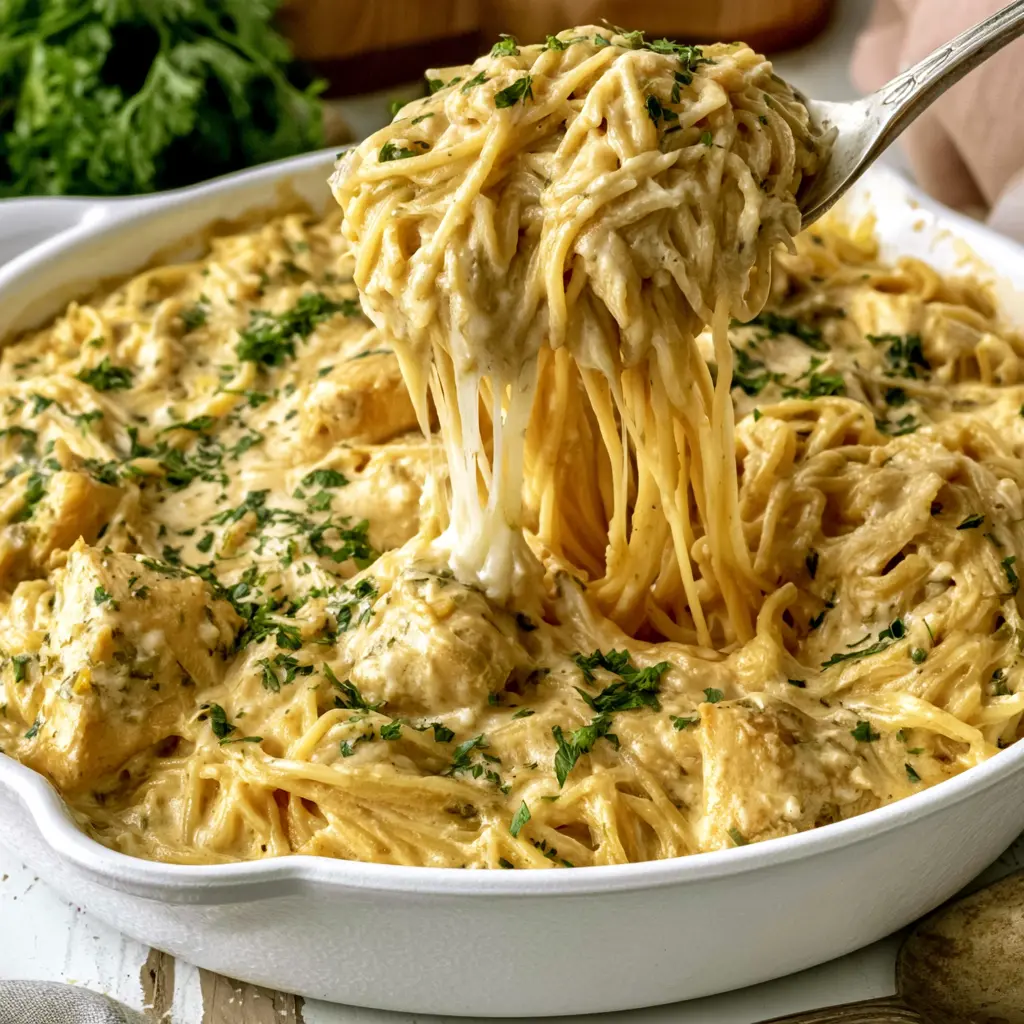
Add the diced chicken and cooked spaghetti straight into the skillet with the sauce. Toss gently until every strand is coated in that silky, cheesy goodness, then garnish with fresh parsley.
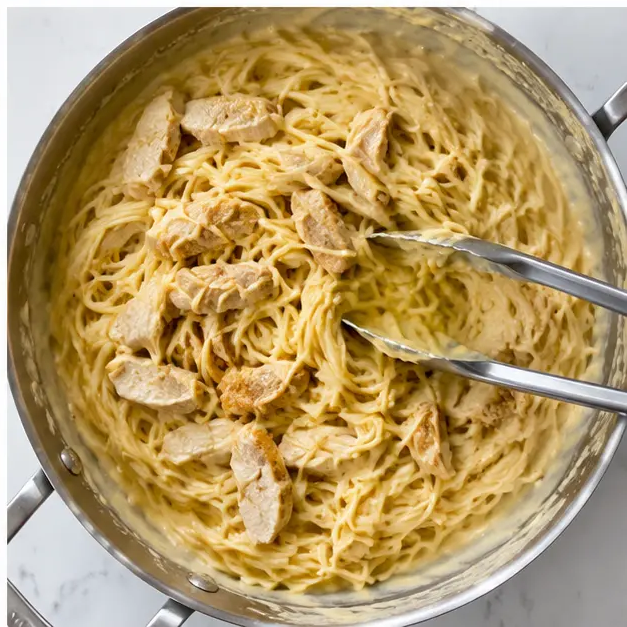
You’ll know this chicken spaghetti is ready when the sauce is clinging to the noodles, the chicken is tender, and the whole kitchen smells like a cozy restaurant. Serve it warm with crusty bread or a simple green salad if you want to stretch it further.
Tips for the Best Chicken Spaghetti
After making this recipe more times than I can count, these are the tips that genuinely matter for great chicken spaghetti.
That’s really it. No advanced techniques, no special equipment. Just a few small choices that separate a good chicken spaghetti from a great one.
Make-Ahead & Freezer Guide
If the weeknight dinner chaos feels relentless, this section is for you. This chicken spaghetti handles being made ahead like a champ, and it freezes beautifully before baking.
Make It Ahead of Time
Assemble the entire dish in your skillet or transfer it to a baking dish, then let it cool completely. Cover it tightly and refrigerate for up to two days. When you’re ready to eat, bake it covered at 350°F for about 20 minutes, then uncover and bake another 15 minutes until it’s bubbly and golden around the edges.
Freeze It Before Baking
This is my favorite trick. Make the full chicken spaghetti, but stop before the final toss. Assemble everything in a freezer-safe baking dish, cover it well, and freeze for up to three months. The night before you need it, move it to the refrigerator to thaw overnight. Let the dish sit at room temperature for about 30 minutes before baking, then follow the same covered-then-uncovered baking method.
One gentle warning. Never put a very cold dish straight into a hot oven. The temperature shock can crack your baking dish, and dinner plans along with it.
Storage & Reheating Leftovers
Leftovers might be the best part of this recipe, and that’s saying something.
Store any extras in an airtight container in the refrigerator for up to four days. The sauce stays creamy, which is honestly rare for a pasta dish.
For quick reheating, the microwave works beautifully. Warm individual servings in 60-second bursts, stirring between each one. If the pasta looks a little tight, add a splash of milk or chicken broth before reheating to loosen the sauce back up.
If you’re reheating a big batch, the oven is your friend. Cover the dish, warm it at 325°F for about 15 to 20 minutes, and stir once halfway through. A splash of broth keeps things silky.
Variations & Substitutions
This chicken spaghetti tastes like the version you grew up with, but it’s also happy to play dress-up. Here are the swaps I’ve tested and loved.
Rotisserie Chicken Shortcut
The fastest way to make this recipe? Skip the stovetop chicken entirely. Pick up a rotisserie chicken, shred the meat, and fold it into the sauce during the final toss. You’ll save a solid 15 minutes without losing any flavor.
Change the Cheese
Colby is mild and melty, but sharp cheddar brings a bolder bite. Monterey Jack adds even more creaminess. A Mexican cheese blend or pepper jack brings a little heat. Use whatever melts well, and shred it yourself for the smoothest sauce.
Add Vegetables
Diced bell peppers or sliced mushrooms sautéed right into the onions make this taste like a chicken tetrazzini. Add a cup of frozen peas when you toss everything together for a pop of color and sweetness.
Swap the Protein
Boneless, skinless chicken thighs work beautifully and stay extra juicy. Ground chicken is a budget-friendly option too, just brown it in the skillet and crumble it fine.
Turn Up the Heat
A pinch of red pepper flakes or a diced jalapeño stirred into the sauce gives it a gentle kick that cuts through all that creaminess.
What to Serve with Chicken Spaghetti
This dish is a full meal on its own, but it loves company.
A piece of crusty bread or garlic toast is perfect for sopping up every last drop of sauce. A simple green salad with a bright vinaigrette cuts through the richness. And roasted broccoli or asparagus with a squeeze of lemon adds color and balance to the plate.
For drinks, keep it simple. Cold iced tea, sparkling lemonade, or a tall glass of water with plenty of lemon all work beautifully alongside a bowl of creamy pasta.
Recipe Science: Why This Chicken Spaghetti Works
I’m not a food scientist, but I’ve made enough creamy pasta to know what’s happening under the surface. Understanding the why makes you a better cook, even without a lab coat.
The Roux Creates the Structure
Flour and butter, cooked together for two minutes, form the backbone of this sauce. The flour thickens the broth and milk into a velvety coating instead of a soup. Skipping this step is why so many creamy pasta recipes come out thin and watery.
Deglazing Captures Flavor
When you pour the broth into the same skillet used for the chicken, you lift up the browned bits from the pan. Those bits are concentrated chicken flavor. Washing the skillet would be like throwing away the best part of the recipe.
Cheese Wants Gentle Heat
Cheese is an emulsion of fat, water, and protein. When it gets too hot, that emulsion breaks and the protein clumps into a grainy texture. Adding the Colby over low heat, and stirring slowly, keeps everything smooth and glossy.
Pasta Keeps Cooking
Al dente pasta still has moisture moving through its structure. The moment it hits the warm sauce, it continues cooking and absorbing flavor. Start slightly underdone and you’ll finish with noodles that are perfectly tender and deeply seasoned.
Troubleshooting Common Issues
Every creamy pasta dish has a few failure points. Here’s how to fix them when they show up.
My Sauce Is Too Thin
Let it simmer a minute or two longer, stirring constantly. The roux needs a little time to fully thicken. If it’s still thin, mix a teaspoon of cornstarch with a tablespoon of cold water and stir it in until it catches.
My Sauce Is Too Thick
Splash in warm chicken broth or milk, a few tablespoons at a time, and stir until it loosens to your liking.
My Sauce Looks Grainy
This happens when the cheese gets too hot too fast. It’s still perfectly safe to eat, just a little less pretty. To prevent it next time, remove the skillet from the heat before adding the Colby and stir it in gradually.
My Pasta Turned Mushy
Mushy pasta is almost always overcooked pasta. Cook it a full minute less than the package says, and drain it well before adding it to the sauce.
Frequently Asked Questions
What is chicken spaghetti?
Chicken spaghetti is a Southern-style comfort food made with spaghetti noodles, tender chicken, and a creamy cheese sauce. It’s often baked like a casserole, though this version comes together entirely on the stovetop.
What kind of chicken should I use?
Boneless, skinless chicken breasts work well, as do chicken thighs. Leftover roasted or rotisserie chicken is the ultimate shortcut, just skip the searing step and add it at the end.
Can I use a different pasta?
Absolutely. Regular spaghetti, angel hair, penne, or rotini all work. Just adjust the cooking time to match the package and cook it al dente.
Can I make this gluten-free?
Yes. Use gluten-free spaghetti and a gluten-free all-purpose flour blend in place of the regular flour. The sauce will thicken slightly differently, so give it an extra minute or two to come together.
How long do leftovers last?
Stored in an airtight container, chicken spaghetti stays good in the refrigerator for three to four days.
Can I skip the cream cheese?
You can, but it will change the texture. The cream cheese is what gives the sauce that silky, clingy quality. If you’re in a pinch, a few tablespoons of grated Parmesan or a dollop of sour cream can fill in, though the flavor will shift slightly.
Can I use canned chicken?
Honestly, drained canned chicken works in a pinch. Fold it in at the end and let it warm through, but don’t expect the same texture as fresh or rotisserie chicken.
Expert Notes & Data Insights
After making this chicken spaghetti more times than I can count, here’s what I know.
The recipe takes about 50 minutes from start to finish, with roughly 15 minutes of active cooking and the rest bubbling away peacefully. It serves six generous portions, or eight if you’re feeding lighter appetites or adding a side salad and bread.
The sauce-to-pasta ratio is the thing that makes people ask for the recipe. Two cups of shredded Colby and a full block of cream cheese might look generous, but that’s intentional. The sauce needs that body to coat every strand without disappearing into the noodles.
I’ve tested this recipe with block cheese and pre-shredded cheese side by side. The block cheese won every single time. It’s not snobbery, it’s just science. Pre-shredded cheeses are coated with anti-caking agents that get in the way of smooth melting.
And one more honest observation. The leftovers are better the next day. The sauce settles into the pasta overnight, and the flavors get a chance to know each other. If you’re lucky enough to have any left, that lunchbox surprise will be the highlight of your day.
However you make it, whether it’s for a rushed Tuesday dinner or a slow Sunday supper, I hope this creamy chicken spaghetti finds a permanent spot at your table.