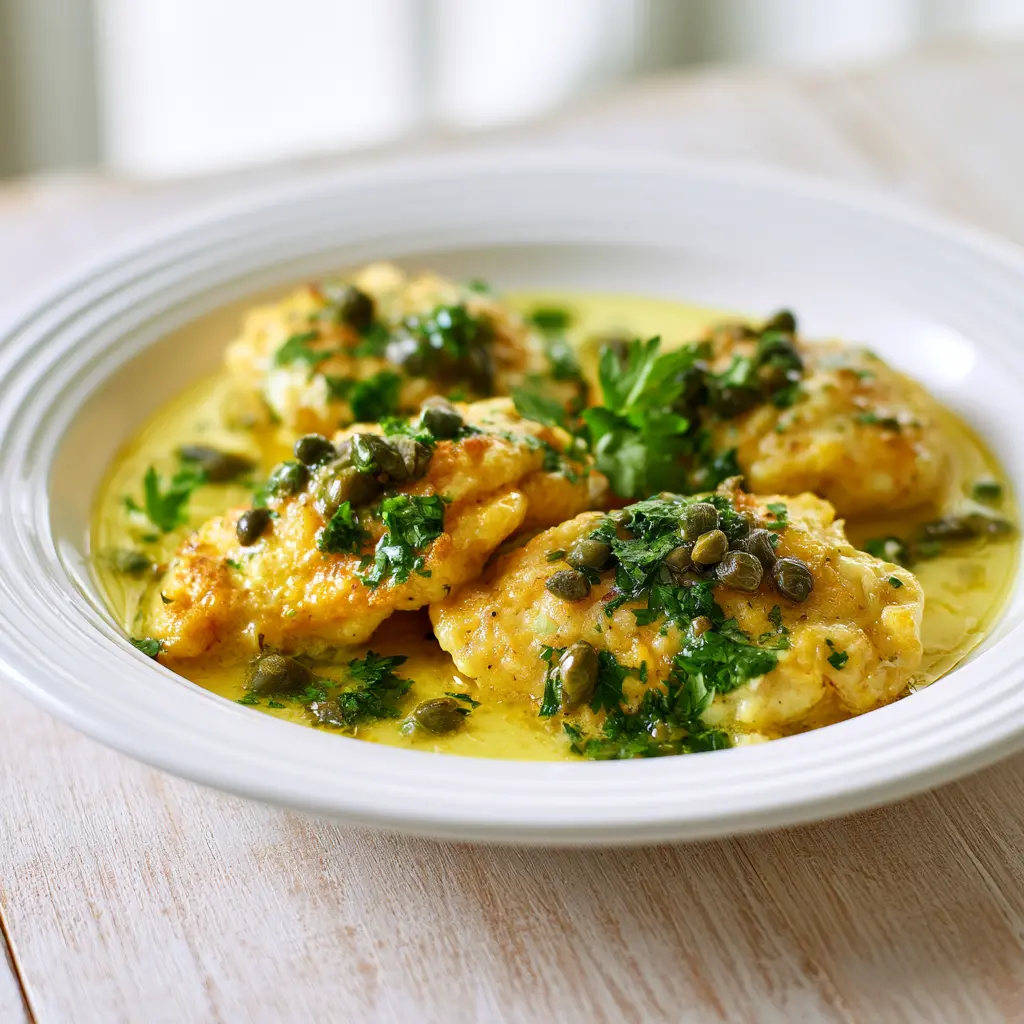
What Is Chicken Piccata?
Chicken piccata is one of those dishes that fools people into thinking dinner is complicated. It sounds like something you order at a white-tablecloth spot, with a linen napkin and a little ceremony. I used to believe it was way beyond my skills as a home cook. Then I actually made it, and I couldn’t believe how simple it was.
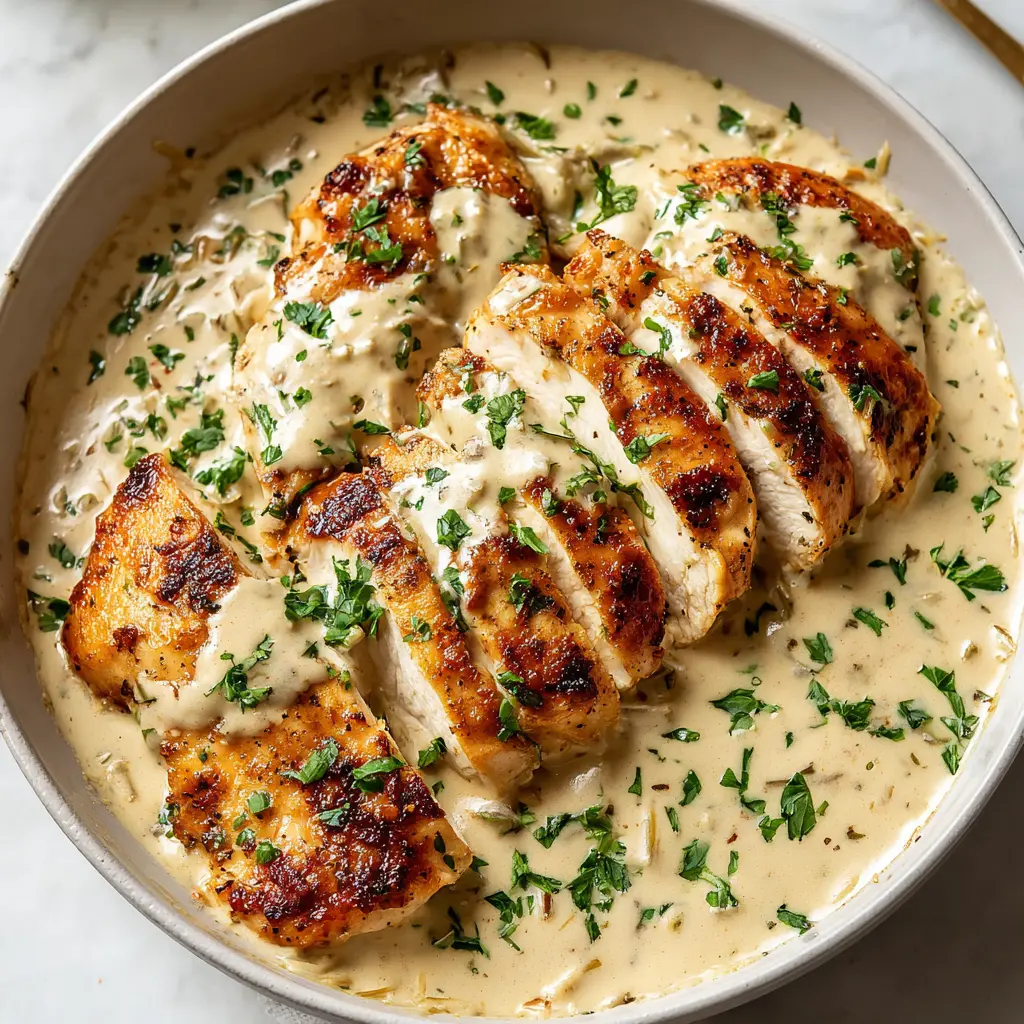
Because here’s the truth: this Italian-American classic is really just pan-seared chicken cutlets in a bright lemon butter sauce with briny capers. Twenty minutes, one skillet, minimal cleanup. That’s the whole story. If you can brown chicken and stir a sauce, you can absolutely nail chicken piccata on the first try.
Piccata comes from Italy, where it was traditionally made with veal. Italian immigrants brought the technique to the United States, and over time, chicken became the weeknight hero of the dish. The core idea never changed: thinly sliced meat, dredged in flour, seared golden, then finished in that tangy lemon caper sauce. It’s the brighter, zestier cousin of chicken marsala, and honestly, it wins most nights at my house.
The first time I made chicken piccata at home, I forgot the capers entirely. They were sitting on the counter. Right there. And I just skipped them, because I was rushing and my brain was clearly elsewhere. The sauce still tasted good, but it was missing that briny pop of brightness that makes chicken piccata what it is. Now capers are the first thing I grab. Learn from my mistake, friends.
Why This Recipe Works
I’m calling this the best chicken piccata recipe, and I don’t say that lightly. It comes down to three things.
First, the Meyer lemon. We’re spoiled here in California, where Meyer lemons show up everywhere from the farmers market to the special section at Ralphs. They’re sweeter and less sharp than regular lemons, and that sweetness plays beautifully against the saltiness of the capers and the richness of the butter. No Meyer lemon nearby? A regular lemon works completely fine. Neither one will let you down.
Second, it’s a true 30-minute meal. Actually, it’s a true 20-minute meal, which is even better. The prep is quick, the cooking is fast, and you’re done before anyone even starts asking what’s for dinner. In the middle of August, when the last thing you want is to heat up the whole house, this is the answer. It’s all stovetop, zero oven, and you’re in and out before the heat wears you down. That’s my kind of weeknight dinner idea.
And third, the sauce. The lemon butter sauce is the reason people order chicken piccata at restaurants and chase that flavor for years. It comes together in the same skillet you cooked the chicken in, pulling up all those deeply browned bits. That’s deglazing the pan, and it’s where all the flavor lives.
It sounds technical, but it’s really just chicken broth, fresh lemon juice, capers, and a final swirl of butter. The butter melts into the sauce and gives it that silky, glossy texture that clings to each cutlet. See? Not hard.
Ingredients You’ll Need
The ingredient list for easy chicken piccata is refreshingly short. Nothing exotic, nothing pricey, nothing you’ll use once and abandon forever. Here’s what you need:
- Meyer lemon: You’ll use the juice from one half and thin slices from the other. Regular lemons are a perfect substitute.
- Boneless skinless chicken breasts: About 1 1/2 pounds, sliced horizontally into thin cutlets.
- Kosher salt and black pepper: The seasoning base. Don’t be shy with the salt.
- All-purpose flour: For the flour dredge. This creates that golden, lightly crisp exterior.
- Unsalted butter: Two tablespoons for searing, one to finish the sauce. That finishing butter is the secret to a glossy sauce.
- California avocado oil: Or any neutral oil. It has a high smoke point, so the chicken browns nicely without burning.
- Chicken broth: The sauce base. It also deglazes all those browned bits off the bottom of the pan.
- Capers: Drained and rinsed. Little briny flavor bombs that make this dish sing.
- Fresh flat-leaf parsley: Chopped, for garnish. It adds color and that fresh herbal finish.
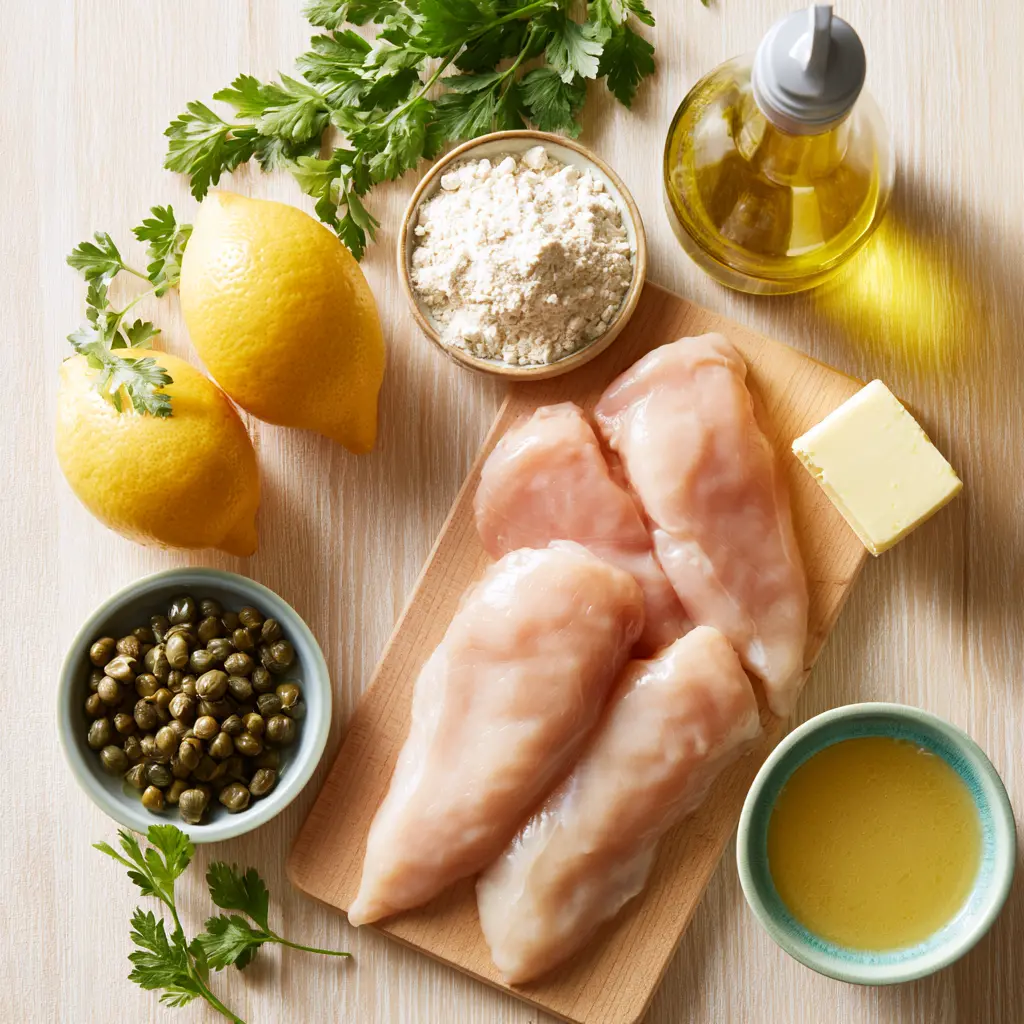
If you’re doing a weekly Trader Joe’s run anyway, you can grab all of this in one quick pass. Costco shoppers can buy the chicken in bulk and slice it yourself at home, which honestly takes about three minutes. For a chicken broth substitute, you can also use a splash of dry white wine if that’s how you roll. I’ll get to that in a minute.
How to Make Chicken Piccata
Grab your biggest skillet, because chicken piccata is a one-skillet dinner, and let’s walk through it together. I’ve broken this into four stages so you always know exactly where you are.
Stage 1: Prep the Chicken
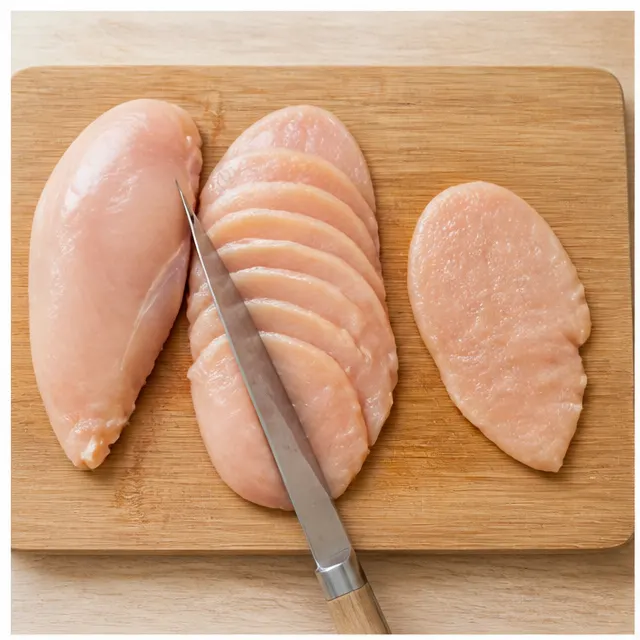
Pat the chicken dry. This matters more than you think. Dry chicken browns, wet chicken steams, and we are firmly on team brown. Trim off any excess fat, then slice each breast horizontally to create two thin cutlets. If they’re not perfectly even, that’s okay. The goal is thin enough to cook quickly and evenly.
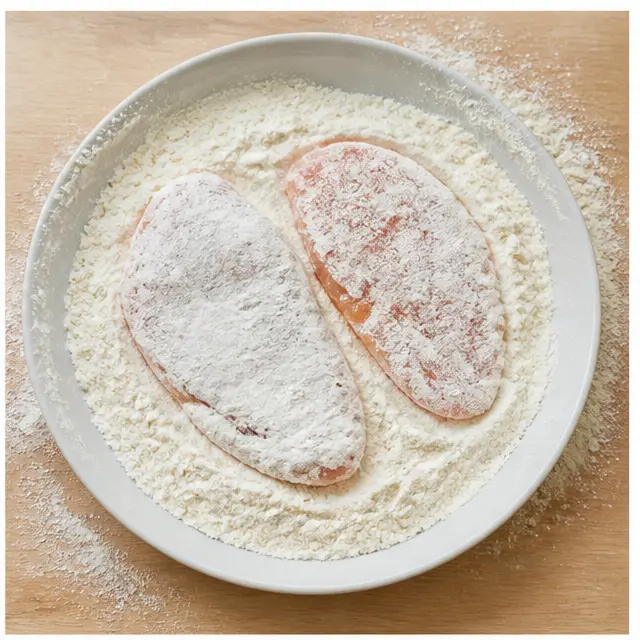
Season both sides with the kosher salt and black pepper, then lightly coat each cutlet in flour, tapping off the excess. You’re not building a thick crust here. Just a light dusting that will caramelize into golden goodness in the pan.
Stage 2: Sear the Cutlets
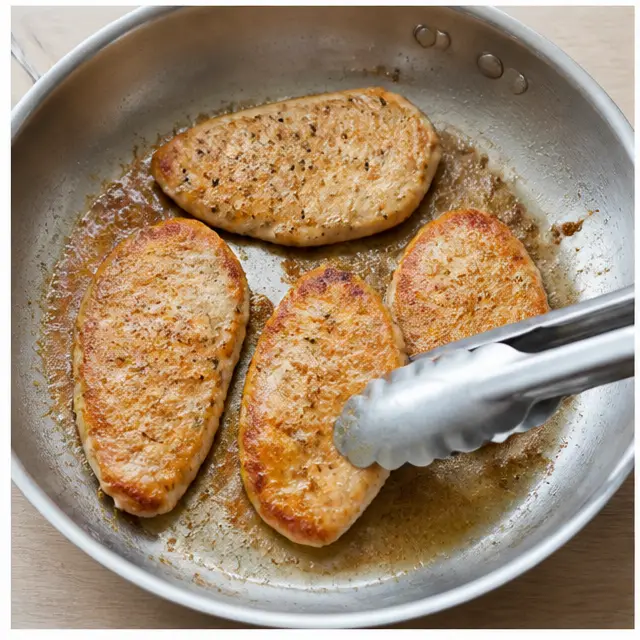
Melt two tablespoons of the butter with the avocado oil in a large skillet over medium-high heat. When the butter is bubbling and the oil shimmers, add the cutlets in a single layer. Don’t crowd the pan. If your skillet isn’t big enough, cook them in batches. This is one of those simple tips that professional cooks swear by, and it makes a real difference.
Here’s the why: crowding drops the temperature, which means the chicken steams instead of searing. You want that deep golden color, and it takes just 2 to 3 minutes per side. The cutlets are done when the center is opaque and the internal temperature reaches 165°F. That golden sear is what makes chicken piccata look so impressively restaurant-worthy.
Transfer the cooked chicken to a platter and cover loosely with foil to keep warm while you build the sauce.
Stage 3: Build the Lemon Caper Sauce
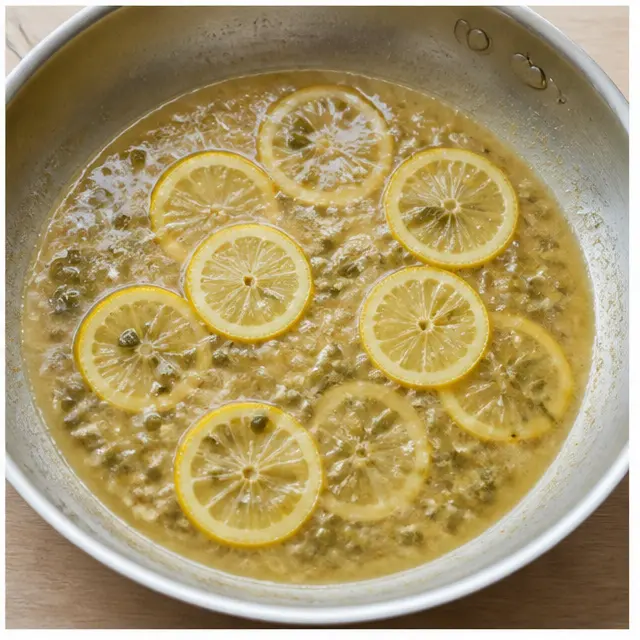
Reduce the heat to medium and pour in the chicken broth. This is the deglazing moment, so scrape up all those browned bits with a wooden spoon. That brown stuff is pure concentrated flavor, and you want every last bit of it in your sauce. This is honestly the heart of the dish.
Stir in the reserved lemon juice, the lemon slices, and the capers. Let everything simmer for 2 to 3 minutes. You’ll see the sauce reduce slightly and come together into something that looks like a real sauce. The aroma at this point, bright, briny, buttery, is absolutely ridiculous in the best way. One more minute, I promise, and it’s done.
Stage 4: Finish and Serve
Whisk the remaining tablespoon of butter into the sauce until it melts completely. This is the secret to the glossy, silky finish that makes chicken piccata look so polished. Don’t let it boil once the butter goes in. Just whisk gently and watch it transform into something that looks like it came straight from a restaurant kitchen.
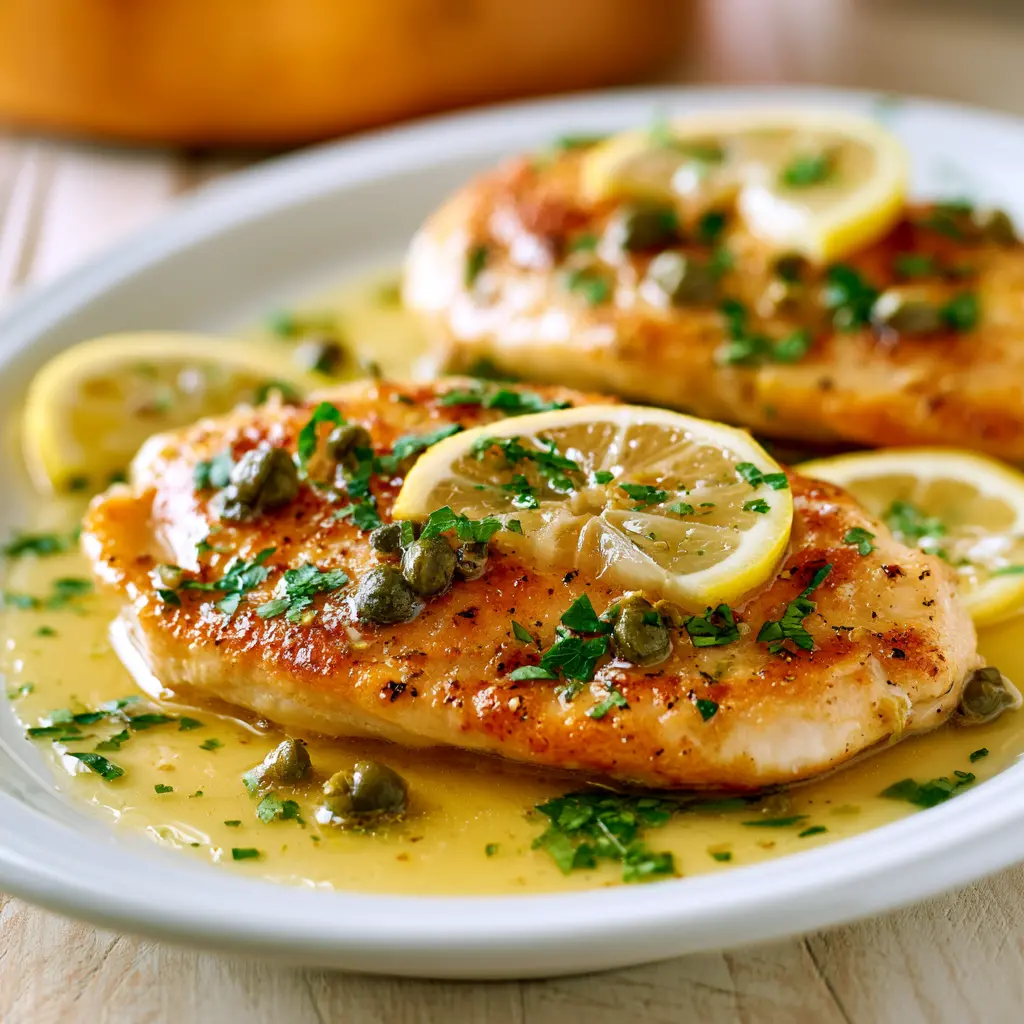
Taste the sauce and adjust the salt and pepper if needed. Then spoon it generously over the chicken, making sure every cutlet gets plenty of that lemon butter sauce. Shower with chopped parsley and get it on the table while everyone’s still gathering. You’ve got this.
Chef’s Tips for Perfect Chicken Piccata
After years of making this dish, plus a few dramatic kitchen moments I’d rather not relive, I’ve gathered the tips that genuinely matter for the best chicken piccata:
- Slice, don’t fight the chicken: Slicing the breasts horizontally gives you thin, even cutlets with minimal effort. If you prefer to pound chicken breast instead, place it on a cutting board, cover with plastic wrap to avoid splatter, and use the flat side of a meat mallet or a rolling pin. Aim for about 1/2-inch thickness.
- Dry chicken is happy chicken: Pat the cutlets dry before seasoning and dredging. Less surface moisture means better browning, which means more flavor in the final dish.
- Don’t overcrowd the pan: Cook in batches if you need to. Crowding drops the temperature and turns your beautiful sear into a sad steam bath.
- Treat the finishing butter gently: Whisk the last tablespoon of butter in over low heat. Boiling butter will break the sauce, leaving it greasy instead of glossy and smooth.
- Pull the chicken at 165°F: That’s the done mark. Any hotter and the cutlets start to dry out, and no sauce can fully rescue that.
Rescue Fix: When the Sauce Breaks
It happens. I once had the sauce separate right in front of four dinner guests. The butter floated to the top, the sauce looked greasy, and I wanted to disappear into the kitchen. Here’s the fix: take the skillet off the heat, add a splash of cold chicken broth or a little cold water, and whisk vigorously. That usually brings it back together. And if it doesn’t fully recover, don’t stress. The flavor is still there. Nobody at the table will complain once it’s spooned over the chicken.
Substitutions and Variations
This recipe is endlessly flexible. I’ve made easy chicken piccata in more variations than I can count, depending on what happens to be in my fridge. Here are the swaps that actually work:
- Skip the wine, no problem: This recipe uses chicken broth as its sauce base, so you can leave wine out entirely. If you want that classic touch, a splash of dry white wine like Pinot Grigio adds lovely depth, but it’s completely optional. Extra broth as a chicken broth substitute works perfectly.
- No capers: Chop up some green olives instead. They deliver the same briny, salty punch. Or use a few chopped artichoke hearts for a softer, milder flavor.
- Gluten-free chicken piccata: Swap the all-purpose flour for a gluten-free flour blend or cornstarch. The technique stays exactly the same.
- Dairy-free: A good vegan butter works in place of the regular butter and still gives you that silky finish.
- Try a different protein: Thinly sliced chicken thighs work well, just add a couple minutes of cook time. You can also go traditional with veal piccata, or make a quick shrimp piccata using the same lemon caper sauce.
- Extra lemony: Citrus lover? Add one more squeeze of fresh lemon juice right before serving. Instant zing.
One note: if you’re tempted by the creamy chicken piccata you sometimes see on menus, be careful with half-and-half, it can curdle. If you go creamy, use actual cream or don’t bother.
What to Serve with Chicken Piccata
You’ve made the chicken piccata. Now let’s talk about what goes underneath it, because that lemon butter sauce deserves a worthy partner. Here’s what I reach for, depending on the mood and what’s in the pantry:
- Angel hair pasta or buttered noodles: The classic choice. Thin strands catch the sauce beautifully.
- Mashed potatoes: A soft cloud of potatoes under all that glossy sauce? Yes, please.
- Creamy polenta: The perfect canvas for a saucy dish like this one.
- Roasted cauliflower or broccoli: For a lighter meal that still holds its own against the sauce.
- Crusty bread: For sopping up every last drop. No judgment here, the bread might be my favorite part.
Whatever you pick, make sure it can handle the sauce. Chicken piccata is a saucy dish, and that’s exactly how you want it.
Storage and Reheating Tips
Leftover chicken piccata? Congrats, that’s tomorrow’s lunch sorted. Store the chicken and sauce together in an airtight container in the fridge for up to 5 days. The sauce actually gets even more flavorful overnight as the lemon and capers mingle.
Reheat gently, please. A covered skillet over medium-low heat with a splash of chicken broth keeps the chicken moist and revives the sauce to its glossy self. The microwave works in a pinch, but it tends to dry out the chicken and separate the sauce. Use it only if you’re in a real hurry.
You can also make this ahead: cook the chicken, refrigerate the chicken and sauce separately, then combine and reheat over medium-low heat until just warmed through. It works beautifully, which makes this a great option for meal prep Sunday. I don’t love freezing this one, the sauce can change texture, but if you must, freeze without the sauce and make a fresh batch later.
So there it is. The best chicken piccata, coming out of your own kitchen in about the time it takes to scroll through delivery apps. It’s the dish that turns an ordinary Tuesday into something that feels like a small celebration. That glossy lemon butter sauce pooling around golden chicken, the pop of briny capers, the bright citrus finish. Restaurant quality, no reservation required.
When you make this, and I mean when, not if, I want to hear how it goes. Did the picky eater clean their plate? Did you catch yourself doing a little happy sigh at the first bite? I have a feeling the answer is yes. And if you’re hunting for more weeknight wins, come hang out with me on Pinterest. I’m always pinning the quick dinners that actually deliver.
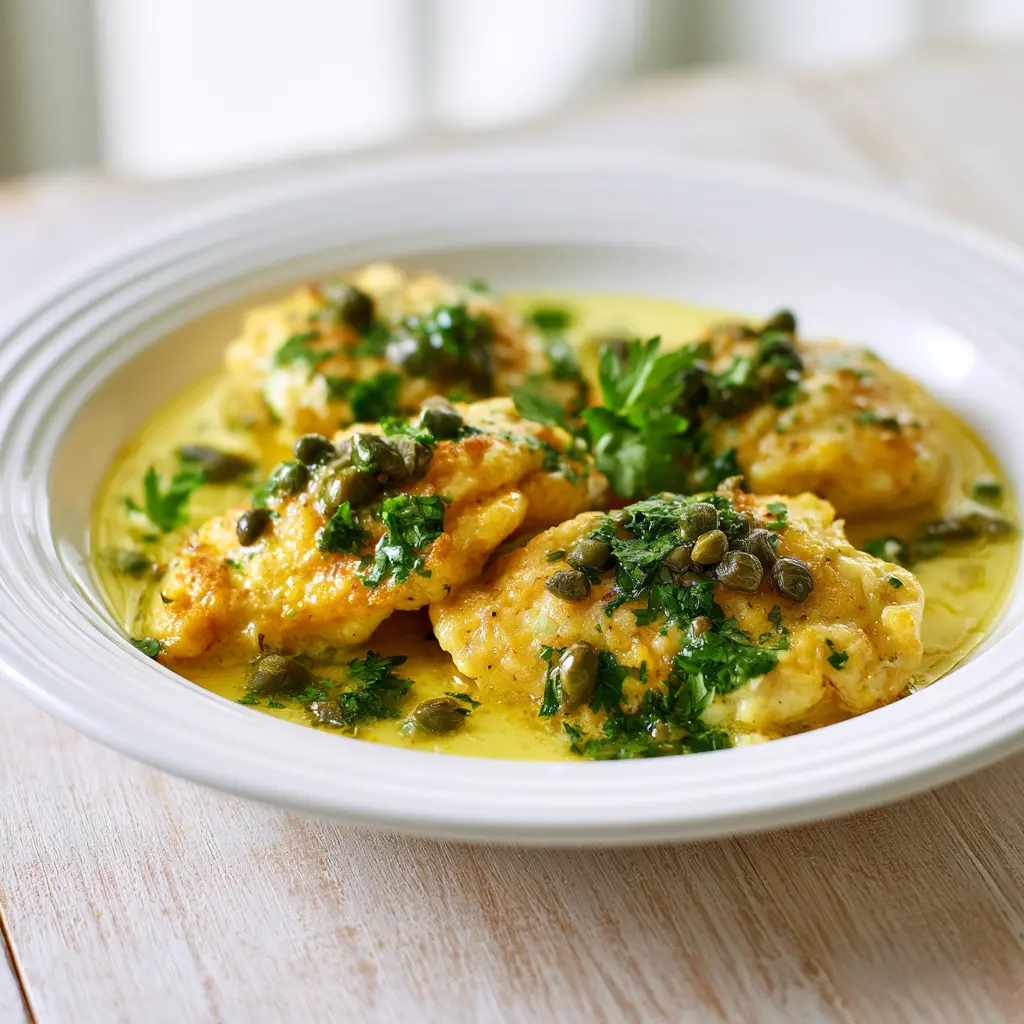
California Chicken Piccata with Meyer Lemon and Capers
Ingredients
Method
- Cut the Meyer lemon in half. Squeeze the juice from one half into a small bowl and reserve. Slice the other half into thin, 1/8-inch rounds and set aside.
- Pat the chicken breasts dry, trim off any excess fat, and slice each one horizontally to create two thin cutlets. Season both sides generously with the kosher salt and black pepper, then lightly coat each cutlet in flour, tapping off the excess.
- Melt 2 tablespoons of the butter with the avocado oil in a large skillet over medium-high heat. Add four of the cutlets and cook until golden brown, 2 to 3 minutes per side. Transfer the cooked chicken to a platter and cover with aluminum foil, or keep warm in a 200°F oven. Repeat with the remaining cutlets.
- Reduce the heat to medium and pour in the chicken broth, white wine, or a combination of both (use 1/2 cup each if mixing). Stir in the reserved lemon juice, lemon slices, and capers, scraping up any browned bits from the skillet. Let the sauce simmer for 2 to 3 minutes.
- Whisk the remaining 1 tablespoon of butter into the sauce until melted. Taste and adjust seasoning with salt and pepper if needed. Spoon the sauce over the chicken and garnish with chopped parsley. Serve with mashed potatoes, polenta, or buttered noodles.
Nutrition
Notes
Tried this recipe?
Let us know how it was!Frequently Asked Questions
Source: Learn More About This Dish