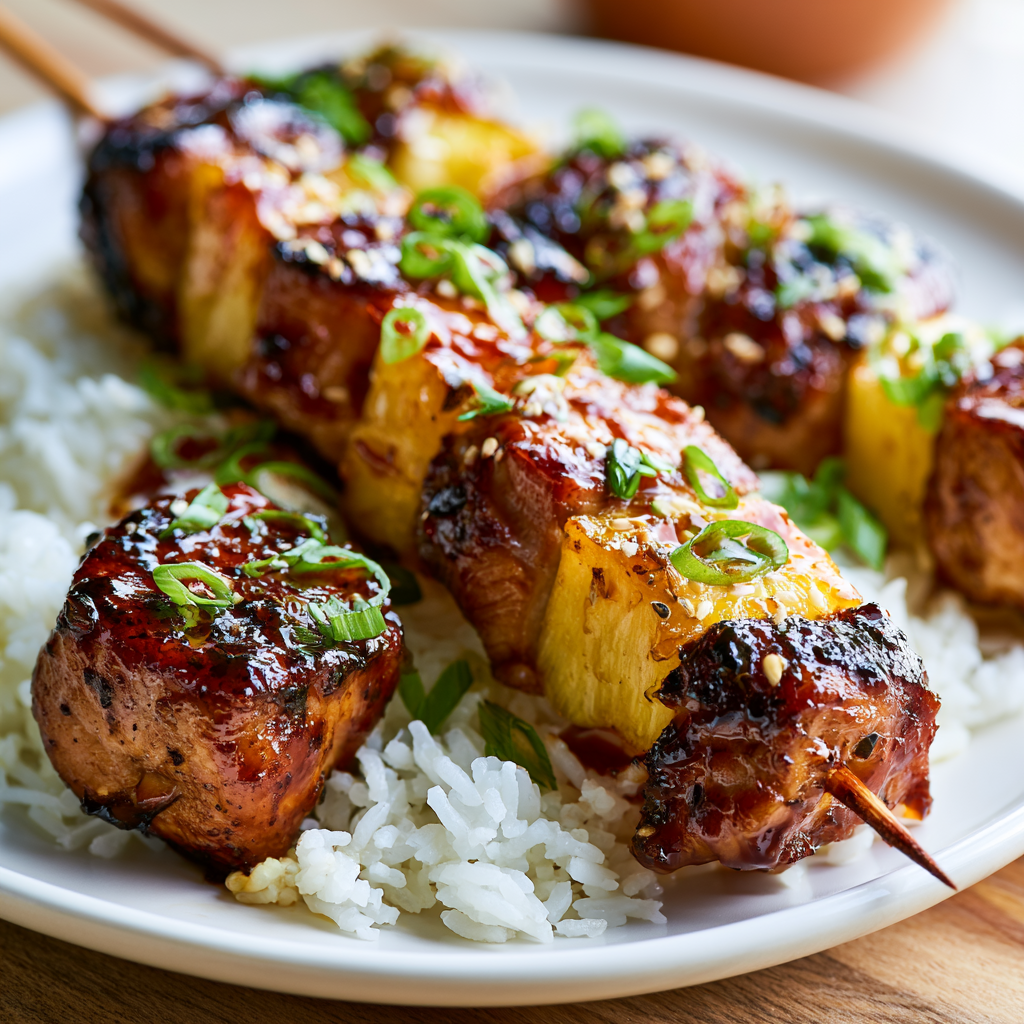
Why This Pineapple Teriyaki Chicken Recipe Works
It’s 5:30 PM, the kitchen feels like a sauna, and someone just asked the question every parent dreads: “What’s for dinner?” Takeout menus start looking pretty tempting on nights like that. I’ve been there, staring at my phone, mentally calculating delivery fees.
Then I perfected this baked pineapple teriyaki chicken. It took a few tries, honestly. The first time, I marinated the chicken overnight and ended up with mushy, watery chunks. The sauce was thin, the flavor was flat, and my family picked at their plates in silence.
It’s also peak pineapple season right now, so the fruit is at its sweetest and cheapest. That makes this the perfect moment to try it.
Here’s why this Hawaiian teriyaki chicken is about to become your new weeknight staple:
- It comes together in about 30 minutes, faster than most delivery
- The chicken stays juicy with sticky caramelized edges
- Sweet pineapple chunks get those gorgeous charred, smoky spots
- The homemade teriyaki sauce beats anything from a bottle
- One grill pan meal, minimal cleanup, maximum flavor
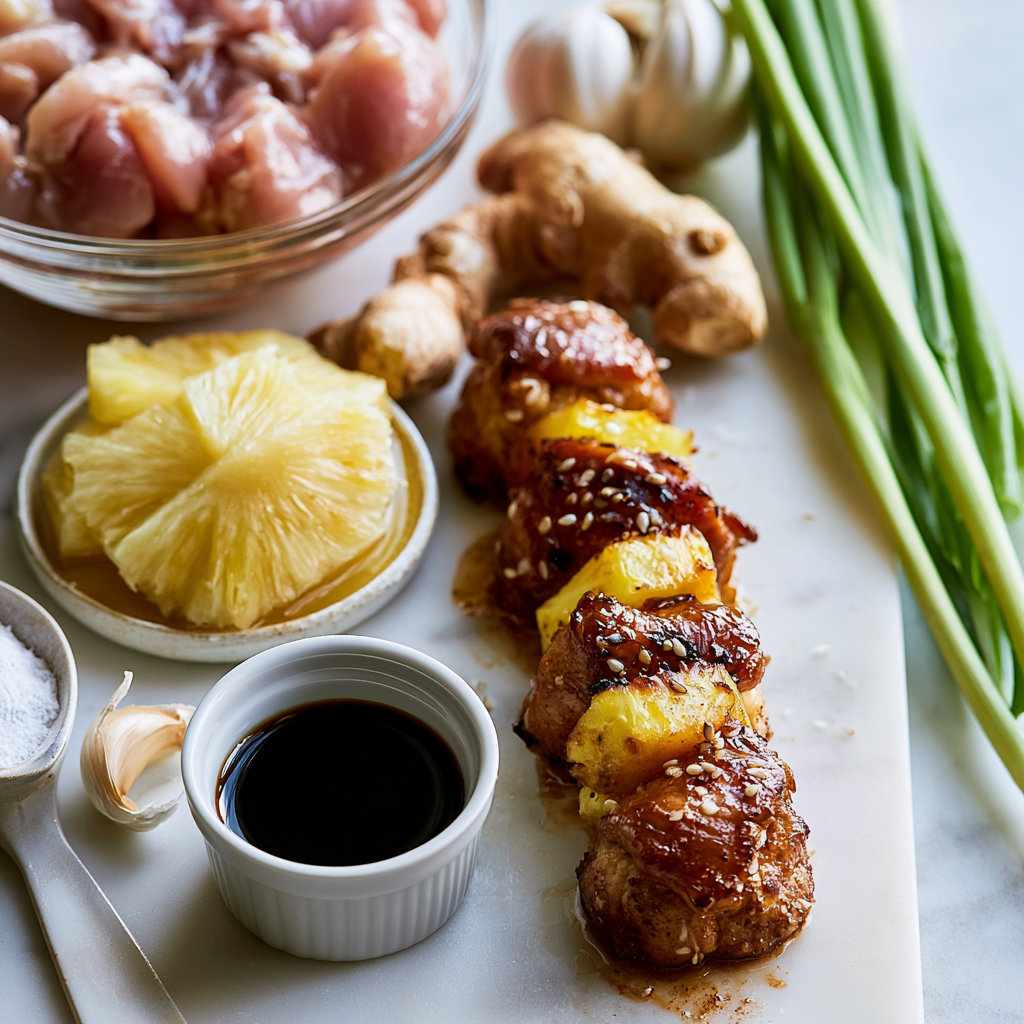
Ingredients for Baked Pineapple Teriyaki Chicken
The list for this baked pineapple teriyaki chicken is short and honest. Most of it is already in your pantry after a normal Ralphs run: boneless skinless chicken breasts, canned pineapple slices in juice, fresh ginger, garlic, dark brown sugar, soy sauce, cornstarch, and water.
The pineapple does double duty here. The chunks go straight onto the skewers with the chicken, and the reserved pineapple juice becomes the base of your marinade and glaze. Canned pineapple in juice is my go-to because it’s consistent and the juice is already there. Fresh pineapple works too, but you’ll want to add a splash of extra juice or water to the marinade.
- Fresh ginger grated finely melts into the sauce better than chopped pieces
- Dark brown sugar adds deeper molasses notes than light brown
- Regular or reduced-sodium soy sauce both work, just watch the salt
- The cornstarch slurry is what gives the glaze that restaurant-style shine
How to Make Baked Pineapple Teriyaki Chicken
The process is simple, but there are a few moments where things can go sideways. Walk through these four stages and you’ll nail it on the first try.
Marinate the Chicken
Whisk the soy sauce, pineapple juice, brown sugar, ginger, and garlic together until the sugar dissolves. Then split it in half. One half becomes the marinade, the other becomes your glaze. This two-step approach is the secret most takeout recipes skip.
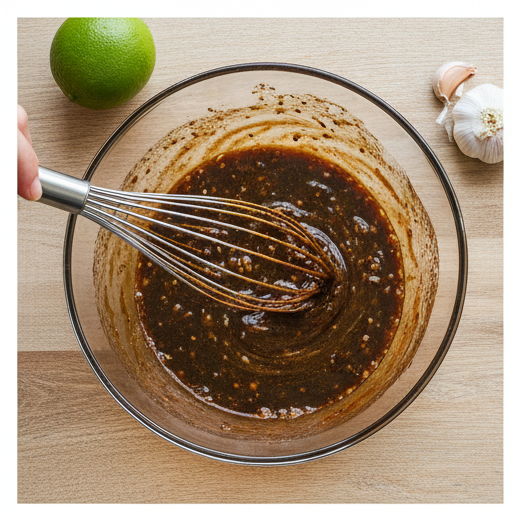
Add the chicken chunks and pineapple chunks to the marinade, toss to coat, and refrigerate for 20 to 25 minutes. That’s a firm window, not a suggestion. Pineapple contains bromelain, a natural enzyme that breaks down meat protein. That’s great for tenderness, but honestly, past 30 minutes it turns chicken into mush. I promise, 25 minutes is plenty.
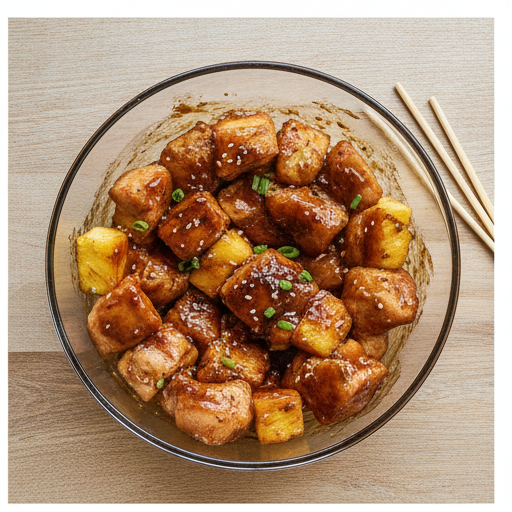
If you’re using bamboo skewers, soak them in water for at least 30 minutes while the chicken marinates. Metal skewers skip this step entirely.
Make the Teriyaki Glaze
While the chicken sits, bring the reserved sauce to a simmer in a small saucepan. Mix the cornstarch and water together in a tiny cup first, then whisk that slurry into the sauce. Cook for 2 to 3 minutes, stirring constantly, until it turns glossy and thick enough to coat the back of a spoon. Slightly thicker than maple syrup is the look you want.
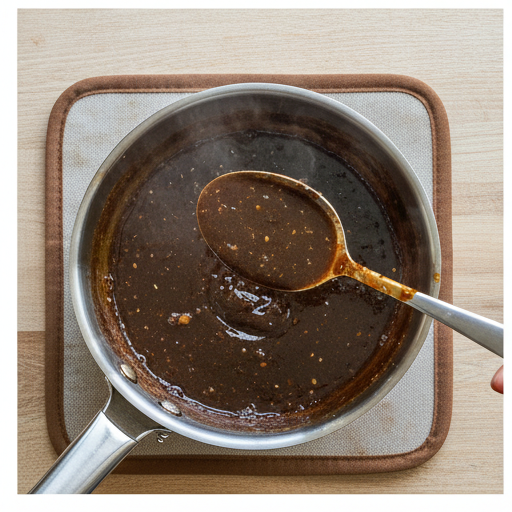
This brown sugar teriyaki glaze is the soul of the dish. It smells sweet and savory at once, with that warm ginger-garlic edge that makes the whole kitchen feel like a little island spot.
Grill, Oven, or Air Fry Options
Thread the chicken and pineapple onto skewers, alternating and keeping the pieces snug against each other. Let excess marinade drip off, then throw that leftover marinade away. It touched raw chicken, so it is not for basting.
Heat a grill pan over medium-high heat and coat it generously with cooking spray. Place the skewers in the pan and let them sear. That immediate sizzle is the sound of caramelization happening, and it’s one of my favorite sounds in cooking.
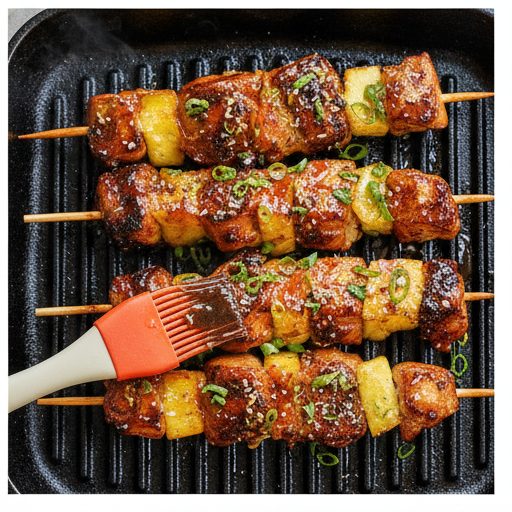
Baste with the thickened glaze as they cook, turning to get color on all sides. The chicken is done when the thickest piece hits 165°F, about 15 minutes. Use a reliable meat thermometer instead of guessing by color. That’s a mistake I made way too many times early on.
On a scorching day when you refuse to stand over the stove, the air fryer method is a great backup. Cook the skewers at 380°F for 12 to 15 minutes, basting halfway, until they hit 165°F. Or fire up the barbecue at about 500°F and grill over direct heat for 10 to 13 minutes. Just move the skewers to a cooler spot if the glaze starts to scorch, sugar burns fast.
Baked Pineapple Teriyaki Chicken Tips and Tricks
After making this recipe more times than I can count, here’s what actually matters:
- Do not over-marinate. The 20 to 25 minute window exists for a reason.
- Thread the skewers tightly. Pieces that hug each other cook evenly and hold the glaze better.
- Pat the chicken dry before marinating if it feels wet. Less surface moisture means better browning.
- Smaller chunks mean more sauce coverage. Cut closer to 1-inch pieces and every bite gets more glaze.
- Stir the cornstarch slurry right before adding it. It settles fast.
- Don’t crowd the pan. Overloaded pans steam instead of sear, and you want those sticky caramelized edges.
Common Mistakes to Avoid
❌ Marinating for hours because “more time means more flavor.” The bromelain in pineapple turns the chicken mushy, and the texture is ruined.
✅ Keep the marinade time capped at 20 to 25 minutes, no exceptions.
❌ Adding cornstarch directly into the hot sauce. It clumps up into tiny white lumps that never dissolve.
✅ Always dissolve cornstarch in cold water first, then whisk the slurry into the simmering sauce.
❌ Using the leftover marinade as a finishing sauce after raw chicken sat in it. That’s a food safety disaster.
✅ Save half the sauce before adding the raw chicken. That safe half becomes your glaze.
❌ Crowding the pan. Chicken ends up gray and steamed instead of golden and caramelized.
✅ Work in batches or use a bigger pan for proper browning.
Variations and Substitutions
This teriyaki pineapple chicken recipe is friendly to tweaks. Here are my favorites:
- Chicken thighs: Swap the breasts for boneless, skinless thighs. They’re more forgiving and arguably juicier. Cooking time stays roughly the same.
- Fresh pineapple: Use fresh pineapple chunks plus a few tablespoons of juice or water in the marinade. Just remember fresh pineapple has even more active bromelain, so keep the window strict.
- Gluten-free: Use tamari or coconut aminos instead of soy sauce.
- Spicy: A pinch of red pepper flakes in the sauce if your family likes heat.
- Vegan: Plant-based chicken chunks work here, just reduce the cook time slightly and serve with cauliflower rice.
One-Pan Stir-Fry Version
If you don’t feel like dealing with skewers, turn this into a chicken and pineapple stir fry. Skip the skewers, cook the chicken in a large skillet in batches, then add the pineapple and toss everything with the glaze. Cook until thick and bubbling, then serve straight over rice. Same flavor, one less step.
How to Store and Reheat Leftovers
In my house, leftovers of this sticky teriyaki chicken usually disappear by lunch the next day. If you have some, store them in an airtight container in the fridge for up to 3 days.
The best way to reheat is in a skillet over medium heat with a splash of water or a little pineapple juice to loosen the glaze. That brings back the sticky texture without drying out the chicken. The microwave works in a pinch, just use 30-second intervals and stop as soon as it’s warm.
What to Serve with Baked Pineapple Teriyaki Chicken
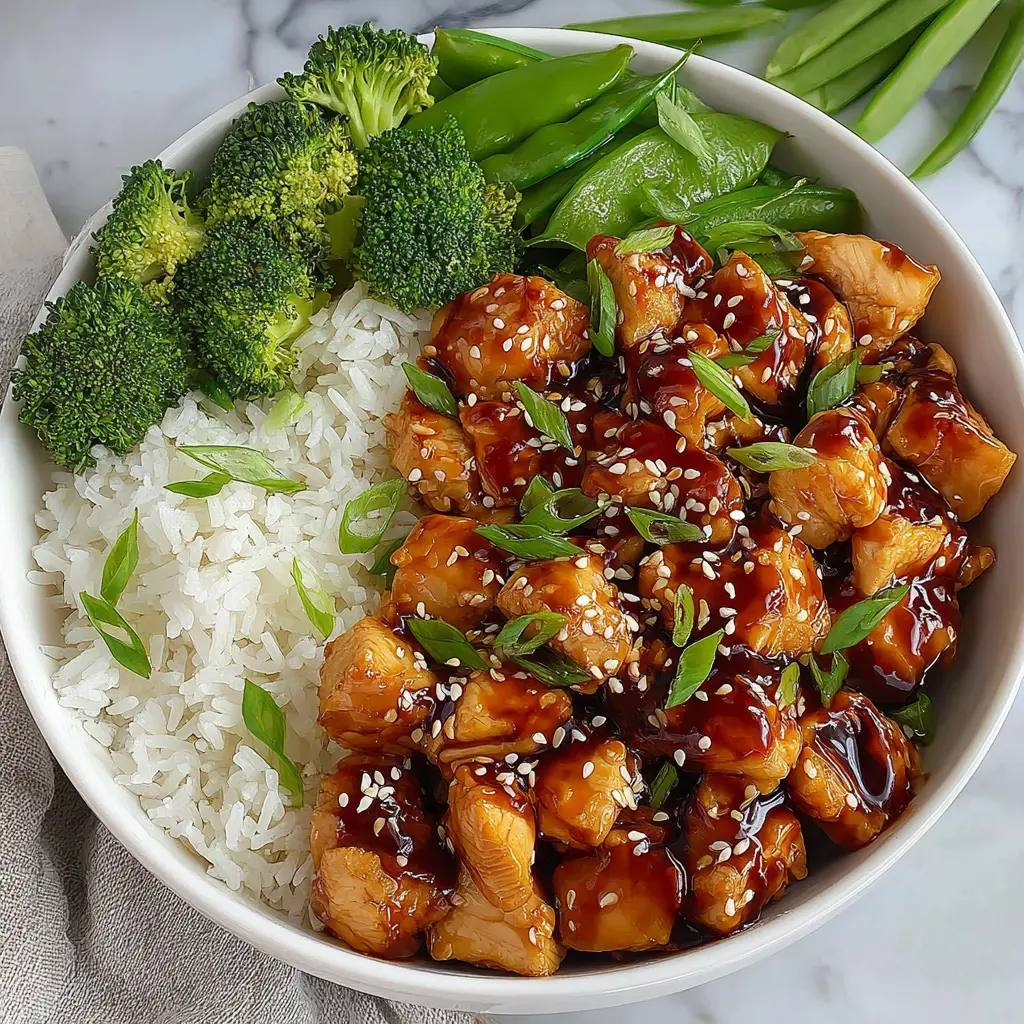
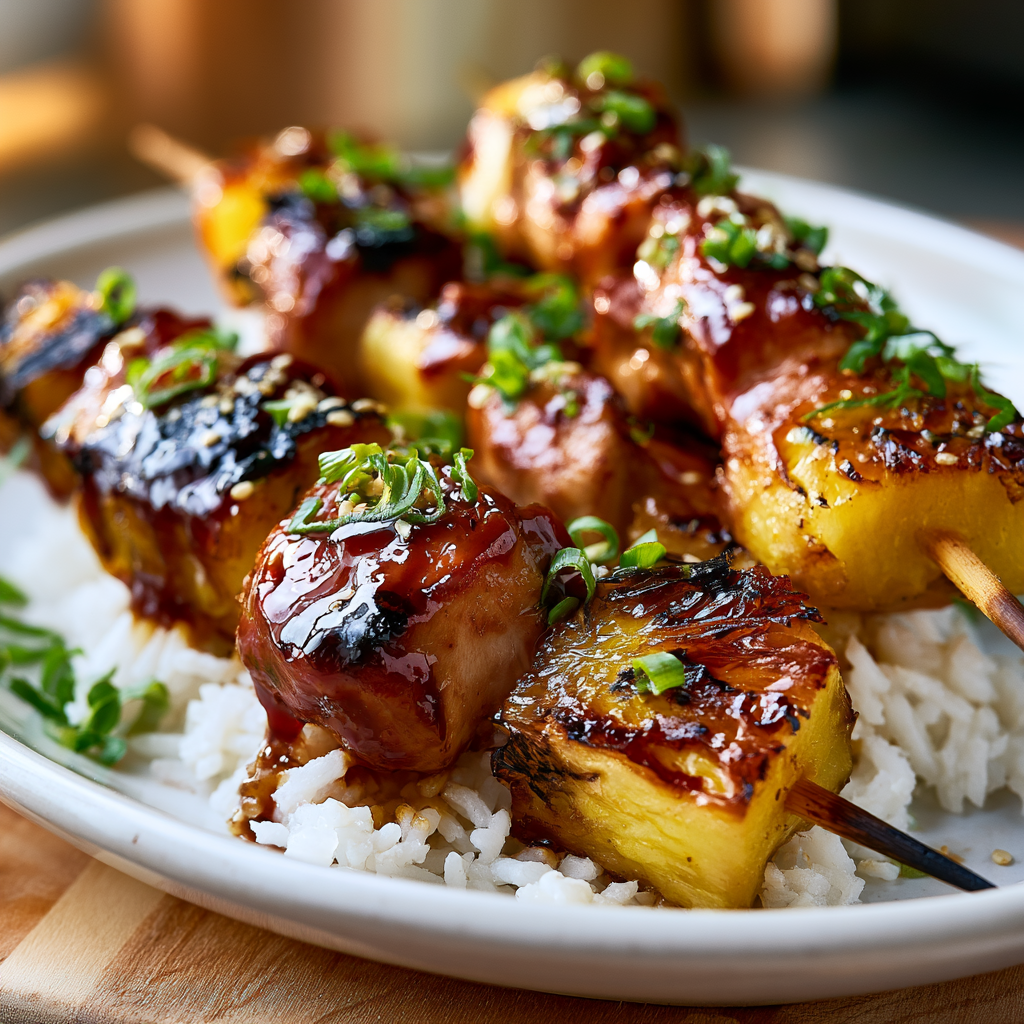
This baked pineapple teriyaki chicken is begging for steamed white rice. The glaze soaks into the grains, and honestly, that might be the best bite of the whole meal. Add a green vegetable on the side, broccoli or snap peas work perfectly.
Finish each plate with a sprinkle of sliced green onions and sesame seeds. It adds color, crunch, and that final touch that makes homemade food look like a restaurant plated it. For a full teriyaki chicken with rice bowl, drizzle a little extra sauce over everything. You won’t regret it.
That combination of juicy chicken, sweet pineapple, and glossy teriyaki glaze over rice is the kind of dinner that makes the table go quiet. In the best way possible.
When you make this baked pineapple teriyaki chicken on Labor Day weekend, watch the plates come back empty. That sticky, glossy glaze, the tender chicken, the sweet charred pineapple, it’s a summer dinner that delivers every single time. If you want more easy dinner ideas for hot weather, I keep a board of summer grilling recipes on Pinterest. And if you try it with a different protein, drop a comment below and let me know how it went.
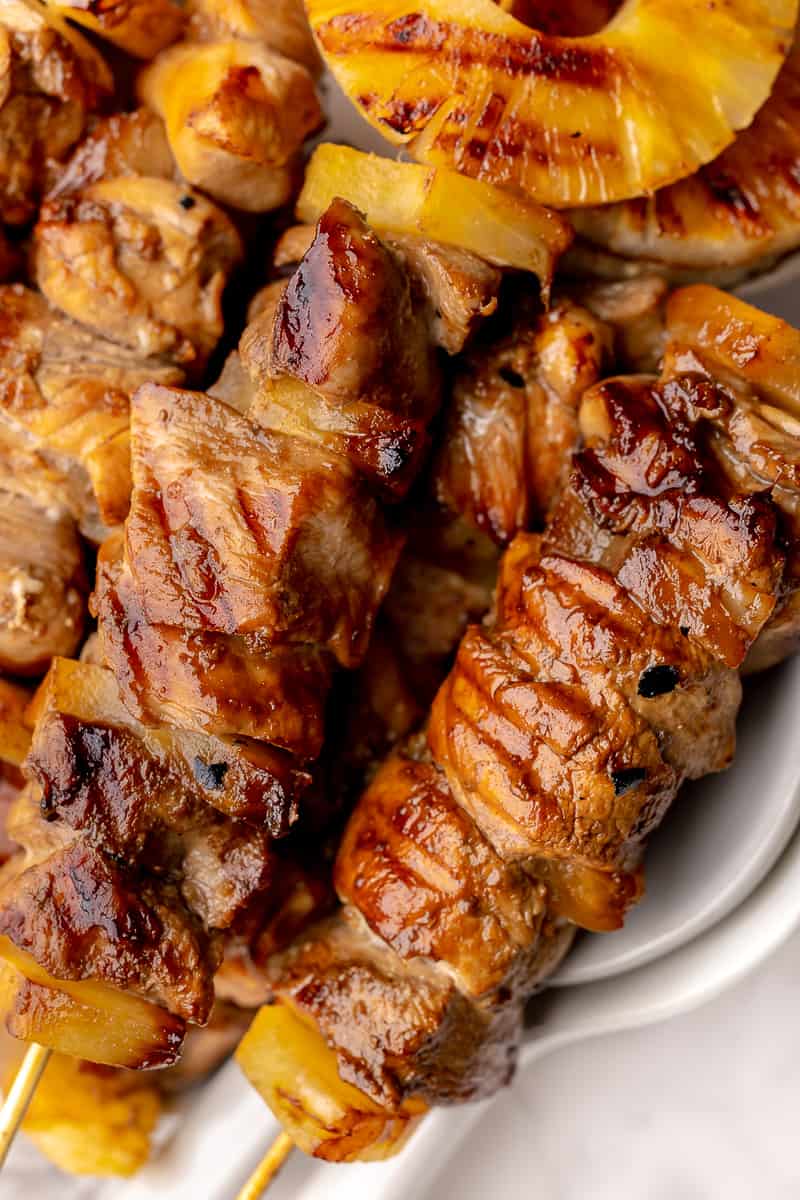
Pineapple Teriyaki Chicken Skewers with Island Glaze
Ingredients
Method
- In a small bowl, whisk the soy sauce, pineapple juice, brown sugar, ginger, and garlic until the sugar dissolves. Divide the mixture evenly: half goes into a shallow bowl for the marinade, and half goes into a small saucepan for the glaze.
- Add the chicken chunks and pineapple chunks to the marinade and toss to coat. Cover and refrigerate for 20 to 25 minutes.
- Set the saucepan over medium heat and bring the sauce to a simmer. Mix the cornstarch with the water in a small cup, then whisk the slurry into the sauce. Lower the heat and cook for 2 to 3 minutes, stirring often, until glossy and slightly thickened.
- Thread the chicken and pineapple onto skewers, alternating and keeping the pieces close together. Let any excess marinade drip off and discard the leftover marinade.
- Heat a grill pan over medium-high heat and coat it generously with cooking spray. Place the skewers in the pan and sear on all sides, basting with the thickened teriyaki glaze as they cook.
- Grill until the thickest piece of chicken reaches 165°F, about 15 minutes. Serve hot.
Nutrition
Notes
Tried this recipe?
Let us know how it was!Frequently Asked Questions
Expert Notes & Data Insights
I’ve tested this baked pineapple teriyaki chicken more times than I can count, and I wanted to share some of the nerdy details that actually changed how I cook it. These aren’t in the recipe card, but they’re the difference between good and unforgettable.
Why the 25-Minute Marinade Cap Matters
The pineapple enzyme thing isn’t culinary folklore, it’s real biochemistry. Bromelain, the enzyme in pineapple, literally breaks down the collagen and muscle fibers in meat. That’s a fantastic thing when you want a tender steak, but with chicken breast, it crosses into mush territory frighteningly fast. In my testing, the texture started deteriorating noticeably around the 30-minute mark. At 45 minutes, the chicken had a mealy, almost grainy texture that no amount of glaze could save. The 20 to 25 minute window is the sweet spot where flavor develops without the structure of the meat falling apart.
Why Cornstarch Beats Flour for This Glaze
Cornstarch thickens at a lower temperature than flour and produces a clearer, glossier finish. That’s why restaurant teriyaki has that beautiful lacquered look while flour-thickened versions turn cloudy and dull. There’s a trick though: cornstarch clumps instantly in hot liquid. Dissolving it in cold water first, creating a slurry, separates the starch granules so they distribute evenly before the heat activates their thickening power. The result is a sauce that clings to every piece of chicken like it belongs there.
Why Charred Pineapple Tastes Better
When pineapple hits high heat, its natural sugars undergo caramelization, and the Maillard reaction kicks in, creating dozens of new flavor compounds. The slightly smoky, toasty notes balance the fruit’s acidity and sweetness. That’s why I insist on the grill pan step instead of just tossing everything into a baking dish. The direct heat transforms the pineapple from plain sweet to complex sweet, and that contrast against the savory soy glaze is the whole magic of this dish.
Fresh vs. Canned vs. Frozen Pineapple
All three work, but they behave differently. Canned pineapple in juice is the most consistent and gives you that free juice for the marinade. Fresh pineapple is brighter and more aromatic, but it has significantly more bromelain activity, so the marinade window gets even stricter. Frozen pineapple needs to be thawed and patted dry first, otherwise it dumps excess water into the pan and steams instead of caramelizing. Whatever you choose, drain or pat it dry before cooking.
What the Data Says About This Recipe
This one serves four people with about 258 calories, 27 grams of protein, and only 3 grams of fat per serving. The protein-to-fat ratio is genuinely solid for a weeknight dinner. The caveat is sodium. Between the soy sauce and the marinade, a single serving clocks in around 1863 milligrams, which is a hefty chunk of the daily recommendation. Switching to reduced-sodium soy sauce cuts that meaningfully without gutting the flavor. If you’re watching salt, that one swap is worth making.
The other data point that surprised me? The chicken hits 165°F at around 14 to 15 minutes on a hot grill pan. That’s fast. Which means this is genuinely a 30-minute dinner, not an inflated estimate. By the time the rice is done steaming, the skewers are ready to rest and slice.
I hope this pineapple teriyaki chicken earns a permanent spot in your rotation like it did in mine. It’s the kind of recipe that makes a regular Tuesday feel a little more like a beach vacation, and honestly, we could all use a bit of that. Happy cooking, and don’t forget to save some of that extra glaze for drizzling over your rice.