
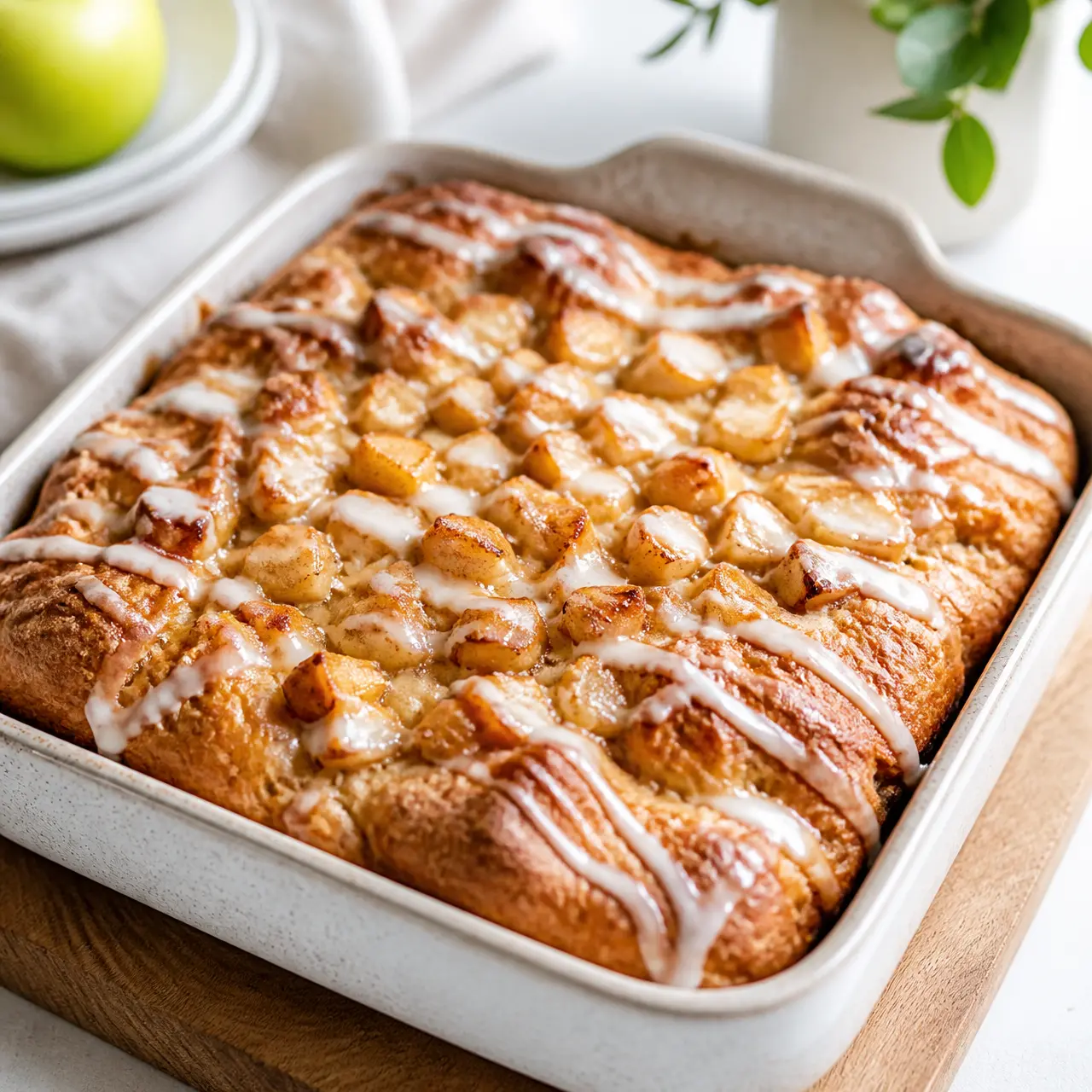
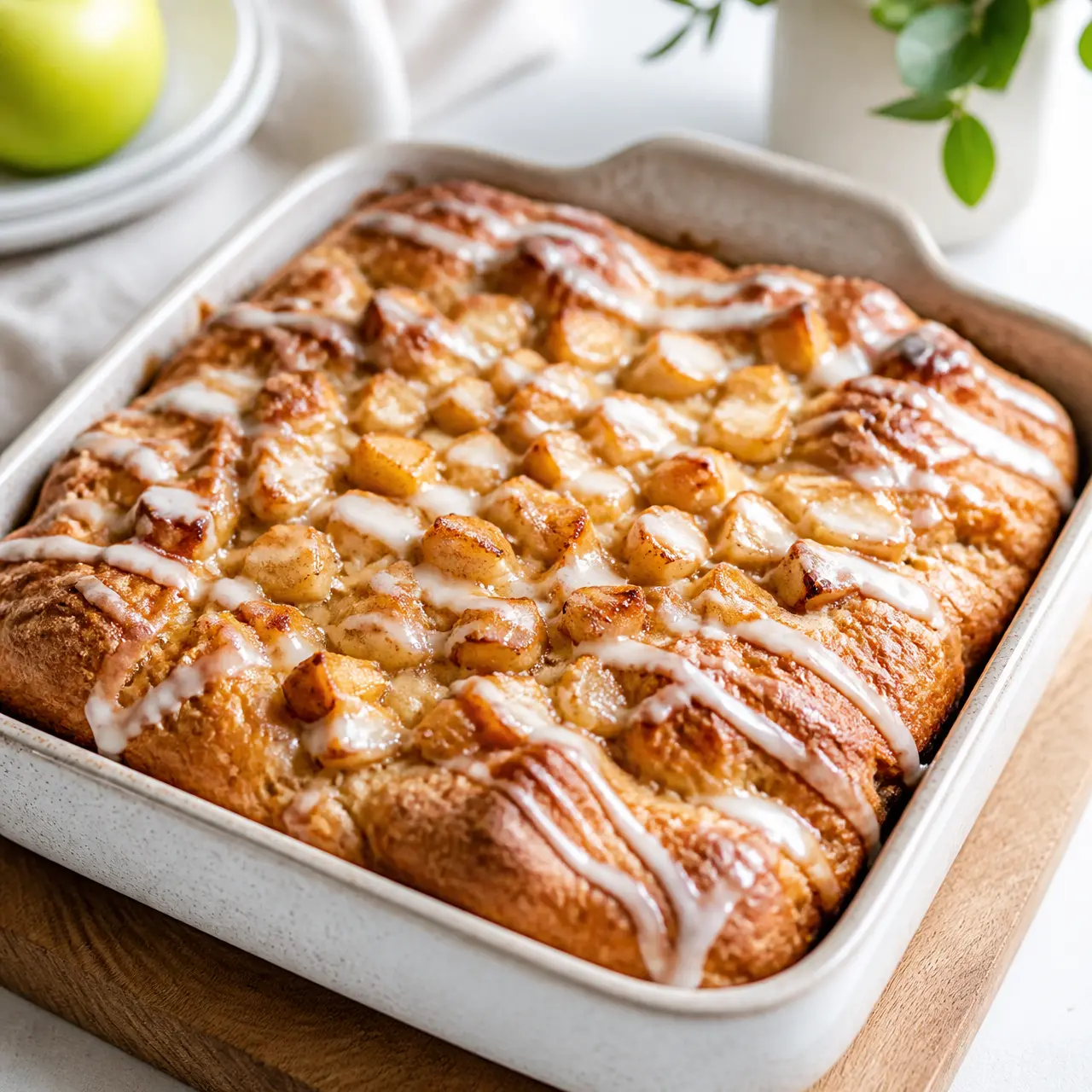
Sourdough Apple Fritter Focaccia
Ingredients
Method
- In a stand mixer bowl, combine the water, active sourdough starter, and raw honey. Mix on low for just a few seconds until the starter is mostly dispersed; a few small lumps are totally fine.
- Add the bread flour and coarse sea salt. Knead on low speed for 5 to 7 minutes. The dough will be sticky and wet at first, then pull away from the sides of the bowl and cling to the hook.
- Cover the bowl and let it rest for 30 minutes.
- With lightly wet hands, grab one side of the dough, stretch it upward, and fold it over the center. Rotate the bowl 90 degrees and repeat. Complete 4 stretches to make one set, then cover and rest for 30 minutes.
- Repeat the stretch and fold process for 3 sets total, with a 30 minute rest after each set. After the last set, brush a large clean bowl with a little butter and transfer the dough into it for bulk fermentation.
- Keep the dough in a warm spot until it has nearly doubled, about 3 to 4 hours depending on your kitchen temperature. While it rises, make the apple fritter filling.
- Melt the butter in a small saucepan over medium-low heat. Whisk in the granulated sugar and bread flour and cook until the mixture thickens and bubbles.
- Peel and dice the apple, then stir it into the saucepan with the brown sugar, cinnamon, and coarse sea salt. Cook over medium-low heat until the apples soften slightly and the mixture thickens. Remove from the heat and cool completely before shaping.
- When bulk fermentation is complete, pour 2 tablespoons of the melted butter into a greased 9-by-13-inch pan. Drizzle the remaining 1 tablespoon of melted butter over the dough.
- Use a bowl scraper to turn the dough out into the buttered pan. Gently press it into a rough rectangle, then spread half of the apple filling over the surface.
- Fold in the long sides, then the short sides, to make a rectangular envelope. Flip the dough seam-side down. Spread the remaining filling on top, cover the pan with plastic wrap, and proof until nearly doubled, about 2 to 3 hours. You can bake right away or refrigerate overnight for up to 2 days.
- Melt the remaining butter. Coat your fingers with a little of it and drizzle the rest over the dough. Use your fingertips to dimple the surface firmly, pressing in and wiggling slightly. Stretch the dough gently to fill the pan if needed.
- Preheat the oven to 425°F and let the dough rest while the oven comes to temperature. Bake for 25 to 30 minutes, until golden brown and an instant-read thermometer inserted into the center reads about 200°F.
- Cool the focaccia in the pan for at least 10 minutes, then transfer it to a wire rack. While it cools, whisk together the powdered sugar, milk or half-and-half, vanilla paste, and a pinch of coarse sea salt to make a smooth glaze.
- Drizzle the glaze evenly over the warm loaf and serve right away.
Nutrition
Notes
Tried this recipe?
Let us know how it was!Why You’ll Love This Apple Fritter Focaccia
I’m not a bread person. At all. But I’ve made this sourdough apple fritter focaccia three times in two weeks, and I’m already planning the fourth. There’s just something about it. The way the kitchen fills with brown sugar and cinnamon. The way the butter caramelizes in the pan. The way the first bite crackles before it melts into something impossibly soft.
If you’ve ever stood at a bakery counter and watched someone walk out with a paper bag of golden, craggy apple fritters, you know the pull. That old fashioned donut energy. This apple fritter focaccia delivers the same experience, but you bake it in a 9-by-13-inch pan instead of dropping it in oil. No deep fryer. No mess. Just a beautiful, glazed loaf that looks like it came from a bakeshop case.
What makes it special, honestly, is the sourdough. The gentle tang keeps all that sugar and spice in check, so each slice tastes balanced, not cloying. And the texture. Oh, the texture. Crisp exterior, pillow-soft center, jammy pockets of spiced apples hidden in every bite.
Here’s what you’re getting yourself into:
- A golden, craggy top that looks like a bakery display
- Caramelized apples that turn jammy inside the dough
- A vanilla glaze that seeps into every dimple
- Bread flour structure that gives you real chew
It’s part focaccia bread recipe, part apple fritter recipe, and fully the best thing to happen to weekend brunch all season.
Ingredients & Substitutions
The ingredient list is short, and every item earns its place. Here’s the breakdown of what matters most in this apple fritter focaccia.
Bread flour is non-negotiable for the best texture. Its higher protein content builds the strong gluten network that gives focaccia its signature chew. In a pinch, all-purpose flour works, but you may need a little extra to reach the right consistency.
You’ll want active sourdough starter at 100% hydration. Feed it 4 to 6 hours before you mix, and look for it to be bubbly and peaked. This is the engine of the whole recipe, and it’s what makes this sourdough apple fritter focaccia taste so much more interesting than a plain yeast version.
The raw honey does double duty. It feeds the yeast for a strong rise and adds a subtle floral sweetness that pairs beautifully with the apples.
Now the most important decision you’ll make: which apples. Use firm, crisp varieties like Honeycrisp, Pink Lady, or Granny Smith. They hold their shape through the long rise and bake, softening without turning to sauce. Soft apples like McIntosh will break down and waterlog the dough, so leave those for applesauce. Peel them first and dice them small, about half an inch. That size lets them caramelize without weighing the dough down.
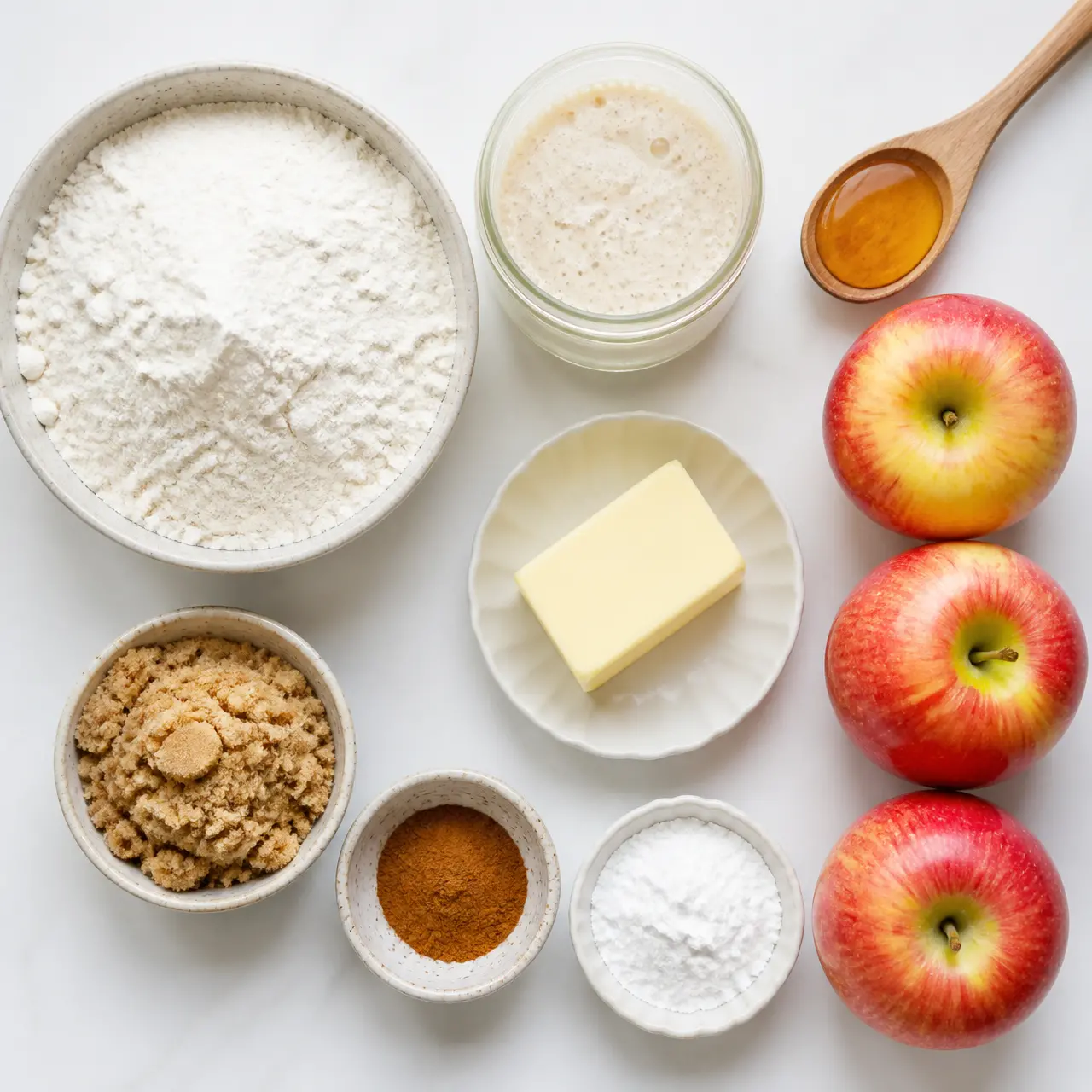
The filling is a quick stovetop mix of butter, sugar, a spoonful of flour, your diced apples, brown sugar, cinnamon, and salt. The glaze is just powdered sugar, milk or half-and-half, vanilla paste, and a pinch of salt. Simple stuff, but the combination is pure magic.
How to Make Apple Fritter Focaccia
Making apple fritter focaccia at home comes down to one mindset shift: embrace the sticky. This is a high hydration dough, which is a fancy way of saying it’s wet. Very wet. It should feel like a marshmallow that ate too much. That’s good. Don’t add flour yet.
Before You Start
High hydration alert: This dough is very wet by design. Keep your hands wet or lightly oiled when handling it, and resist every urge to add flour. Sticky dough equals airy bread.
Mix the Sourdough Dough
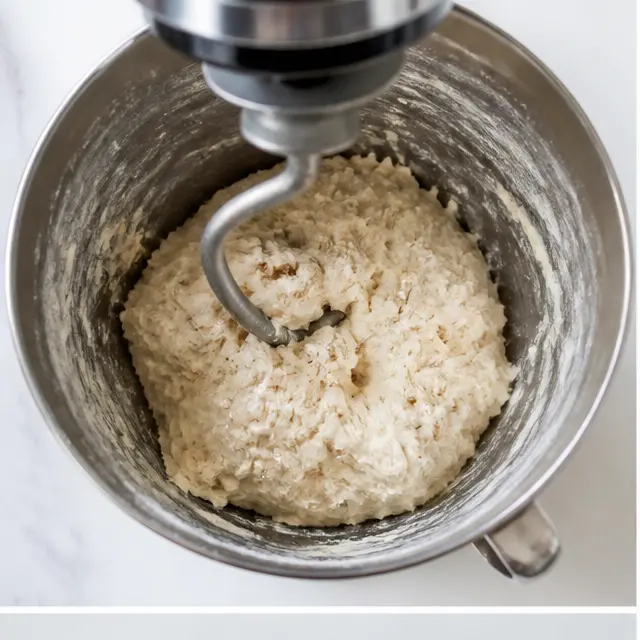
In a stand mixer bowl, combine the water, active sourdough starter, and raw honey. Mix on low for a few seconds until the starter is mostly dispersed; a few small lumps are totally fine. Add the bread flour and coarse sea salt, then knead on low for 5 to 7 minutes.
The dough will look shaggy and loose at first, and you’ll be tempted to add flour. Don’t. Keep going. After a few minutes, it will pull away from the sides of the bowl and cling to the hook. That’s how you know the gluten is doing its job.
Cover the bowl and let it rest for 30 minutes. That rest gives the flour time to hydrate fully, which makes the stretch and fold stage much easier.
Stretch, Fold & Bulk Ferment
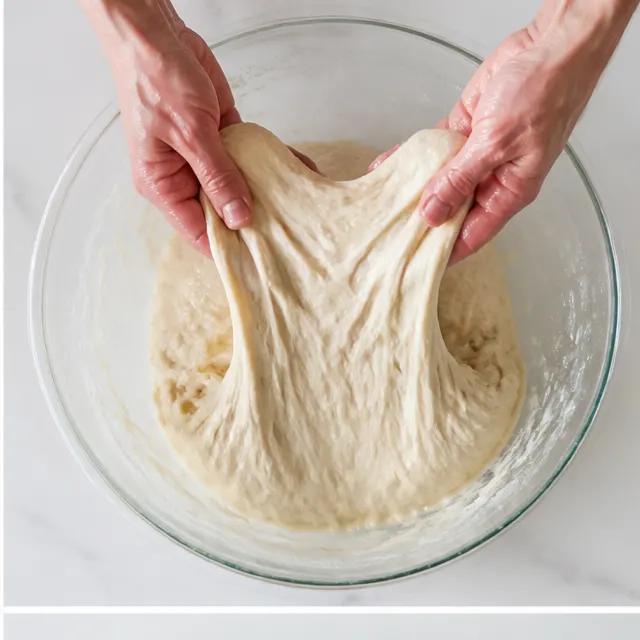
This is the part people overthink, and I get it. With lightly wet hands, grab one side of the dough, stretch it upward, and fold it over the center. Rotate the bowl a quarter turn and repeat. Four stretches make one set. Then cover and rest for 30 minutes. You’ll do three sets total.
The stretch and fold method is gentler than traditional kneading. It builds strength in the dough while keeping all those air bubbles intact. And it’s forgiving. You don’t need perfect form. Grab, stretch, fold, rotate. That’s the whole dance.
After the last set, brush a clean bowl with a little butter and transfer the dough in for bulk fermentation. Keep it in a warm spot until it’s nearly doubled, about 3 to 4 hours. A lot of bakers drop a small piece of dough into a 1.5-quart jar to track the rise. When it’s doubled, domed like a muffin top, and jiggly when wobbled, you’re ready.
Hot August kitchens change the math. That rise can shrink by 25 percent when your counter is warm, so check earlier and move the dough to the coolest corner of the house if it balloons too fast.
Shape, Prove & Bake
While the dough rises, make the filling. Melt a tablespoon of butter in a small saucepan, whisk in granulated sugar and a spoonful of bread flour, and cook until it thickens and bubbles. Stir in the diced apples, brown sugar, cinnamon, and salt. Cook until the apples just soften, then remove from the heat and let it cool completely.
Seriously, let it cool completely. Warm filling will melt the butter coating the pan and turn the whole shaping process into a slippery mess. I learned that one the hard way on attempt one.
When bulk fermentation is done, pour melted butter into a greased 9-by-13-inch pan. Turn the dough into the pan and press it into a rough rectangle. Spread half the apple filling over the surface, then fold in the long sides and the short sides to make an envelope. Flip it seam-side down and spread the remaining filling on top. Cover the pan with plastic wrap.
Proof until nearly doubled, about 2 to 3 hours. Or, if you’re planning ahead, refrigerate it for up to 2 days. That overnight focaccia move not only spreads the work across two days, it deepens the sourdough flavor.
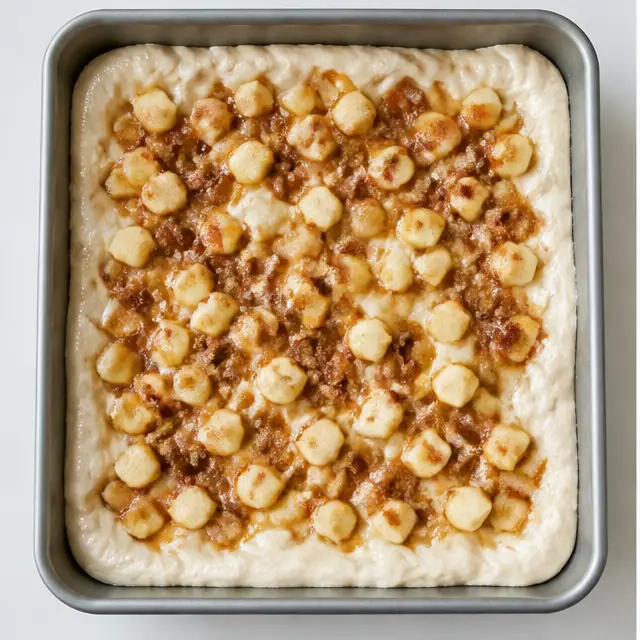
Bake day. Melt the remaining butter, coat your fingers with a little, and drizzle the rest over the dough. Use your fingertips to dimple the surface firmly, pressing in and wiggling slightly. Stretch the dough gently to fill the pan if needed.
Your dimples don’t need to be perfect. The jagged holes are what capture the glaze and give it that fritter vibe. Preheat the oven to 425°F. Bake for 25 to 30 minutes, until golden brown and the center reads about 200°F on an instant-read thermometer.
The sounds alone are worth it. The butter sizzling. The apples bubbling into the dough. The crackle when you press a finger against the finished crust. Let it cool in the pan for at least 10 minutes.
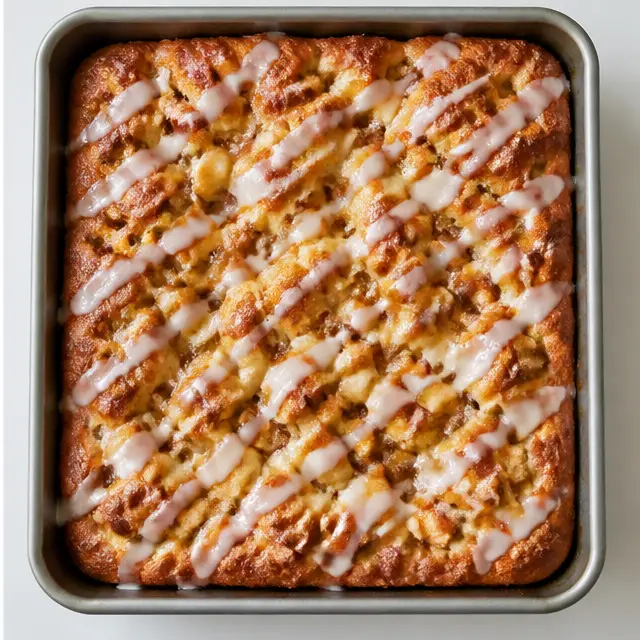
Meanwhile, make the glaze. Whisk the powdered sugar, milk or half-and-half, vanilla paste, and a pinch of salt until smooth. Lift the spoon: if it ribbons and settles slowly into the bowl, it’s ready. If it disappears in a second, whisk in more powdered sugar.
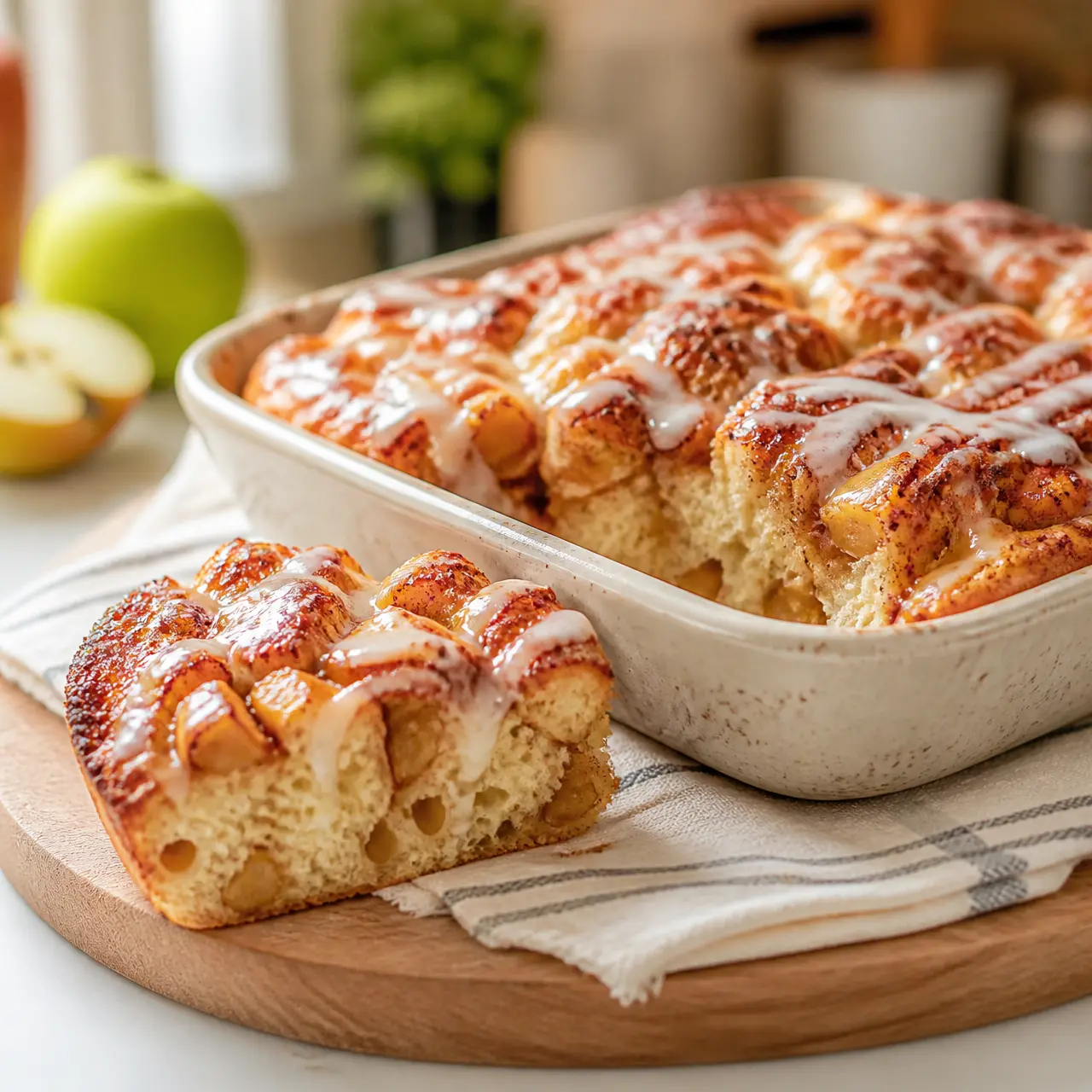
Drizzle the glaze over the warm loaf and watch it seep into all those dimples. Serve right away. Every slice will have that bakeshop look: golden edges, caramelized apples, a sheen of vanilla glaze across the top.
Apple Fritter Focaccia Tips
I’ve made this recipe enough times to know exactly where things go sideways. Here are the fixes.
- ❌ Adding flour to the sticky dough. ✅ Wet your hands instead. This dough is supposed to be wet; extra flour makes it dense.
- ❌ Using soft apples that turn to mush. ✅ Stick with Honeycrisp, Pink Lady, or Granny Smith.
- ❌ Spreading warm filling over the dough. ✅ Cool it completely so it doesn’t melt the butter in the pan.
- ❌ Waiting for the bread to cool before glazing. ✅ Glaze while it’s warm so the glaze seeps into the dimples and sets into that crackly shell.
For proofing, trust visual cues over the clock. A properly proofed dough has nearly doubled, domed like a muffin top, and jiggles when you wobble the pan. And in humid weather, the dough may feel looser than normal. That’s fine, just cover the bowl well during rests so a dry skin doesn’t form on top.
For a relaxed weekend brunch, shape the focaccia the night before and let it cold-proof in the fridge. Bring it to room temperature before baking. It’s one of those small moves that makes the whole experience feel effortless, and the texture comes out even better.
Apple Fritter Focaccia Variations & Add-Ins
This apple fritter focaccia is a fantastic base, so don’t be afraid to play with it. Here are some ideas, all optional.
- Other fruits: Pears, peaches, or blueberries work beautifully. Keep the pieces small and adjust the sugar slightly for sweeter fruit.
- Nuts and dried fruit: Fold chopped pecans or walnuts into the filling, or toss in raisins or dried cranberries for extra texture.
- Glaze twists: Try a pinch of Chinese five spice or a splash of Earl Grey tea in the glaze. A cream cheese glaze or caramel drizzle is also incredible.
- Flour swap: All-purpose flour works in a pinch, but bread flour gives the best structure.
- Butter swap: A neutral oil like vegetable or sunflower oil can stand in for the melted butter in the pan.
Whatever path you take, the base dough is a winner on its own. It’s an artisan-style sourdough base that plays well with sweet and savory toppings alike.
How to Store & Reheat Apple Fritter Focaccia
This focaccia is at its peak on bake day, warm with the glaze still glossy. But if you have leftovers, or you’re smart and baked two, here’s what to do.
- Room temperature: Wrap tightly and keep for up to 2 days. The apple topping gets soggy after that, so don’t push it longer.
- Freeze unglazed: Wrap the cooled loaf in plastic wrap and then foil, and freeze for up to 3 months. For individual servings, freeze slices on a parchment-lined baking sheet before bagging.
- Reheat: Warm it in a 325°F oven for 5 to 7 minutes, or pop a slice in the air fryer for 2 to 3 minutes. Drizzle fresh glaze over the top.
Store leftover apple fritter focaccia with the glaze on if you’re eating it within a day, but freeze it unglazed for the longest shelf life. Your future self will thank you.
Frequently Asked Questions
More Focaccia Recipes to Love
Once you get comfortable with stretch-and-fold dough, you’ll want to make it all the time. This sweet version is perfect for fall baking, but the same technique shines in savory loaves. A few favorites worth trying:
- Classic Rosemary Sourdough Focaccia, the savory sibling of this sweet loaf.
- Garlic & Herb Focaccia with coarse salt and a burst of fresh herbs.
- Cinnamon Sugar Pull-Apart Bread for another sweet breakfast that disappears fast.
And hey, save this apple fritter focaccia recipe for later. Pin it to your fall baking board, share it with that friend who always brings the best brunch dishes, and tag me when you make it. I want to hear how the glaze crackle sounds in your kitchen.
Source: Learn More About This Dish


3 responses to “How to Make Apple Fritter Focaccia Without a Deep Fryer”
I made this for a weekend brunch and it disappeared in minutes! The top was perfectly crackly and the inside was so soft. That vanilla glaze really seals the deal—I’ll definitely be making this again.
This looks amazing! I only have all-purpose flour on hand—would that work instead of bread flour, or should I wait to try it until I can get some? Also, could I use a Granny Smith apple for more tartness?
Great questions, James! You can substitute all-purpose flour, but the texture will be slightly less chewy—still delicious though. And yes, Granny Smith apples work beautifully; the extra tartness balances the sweetness even more. Happy baking!