Why This Lemon Herb Pan-Fried Chicken Breast Works
We’ve all sliced into it. The sad, pale chicken breast that looked fine from the outside and turned out dry, dense, and full of regret. I’ve eaten my share of that chicken. I’ve cooked more than my share, too.
This lemon herb pan-fried chicken breast is the one that ended that streak for me. It takes about 15 minutes of hands-on time, a single skillet, and a handful of pantry ingredients. No buttermilk soak. No long marinade. No fussing.
September is that in-between month around here. The evenings turn cool, the garden still gives you parsley, and you start wanting something warm in the pan without committing to a pot roast. This is the perfect bridge dinner. Bright enough for the last days of summer, cozy enough for the first real fall night.
Here’s why this one wins:
- It stays juicy. Medium-low heat and a quick cook time keep the meat tender instead of tough.
- The lemon works twice. A few minutes before cooking, then a splash in the pan. That’s where the flavor comes from.
- It’s genuinely fast. Prep takes five minutes. Dinner is on the table before the kids finish arguing about homework.
- The pan does the sauce work. No stock, no cream, no fuss. Just lemony pan juices spooned over the top.
Donna works nights at the hospital, so most weeknights it’s just me, the dog, and whatever sizzles in the skillet. This is the recipe I make when I want dinner done without thinking too hard about it. And honestly, it feels fancy enough that I’ve served it to company, too.
Ingredients You’ll Need for Lemon Herb Pan-Fried Chicken Breast
You don’t need much here, and that’s the point. Start with two boneless, skinless chicken breast halves, about 5 ounces each. If yours are twice that size, you’ll want to slice them horizontally into thinner cutlets so they cook evenly. Uneven thickness is the enemy of juicy chicken.
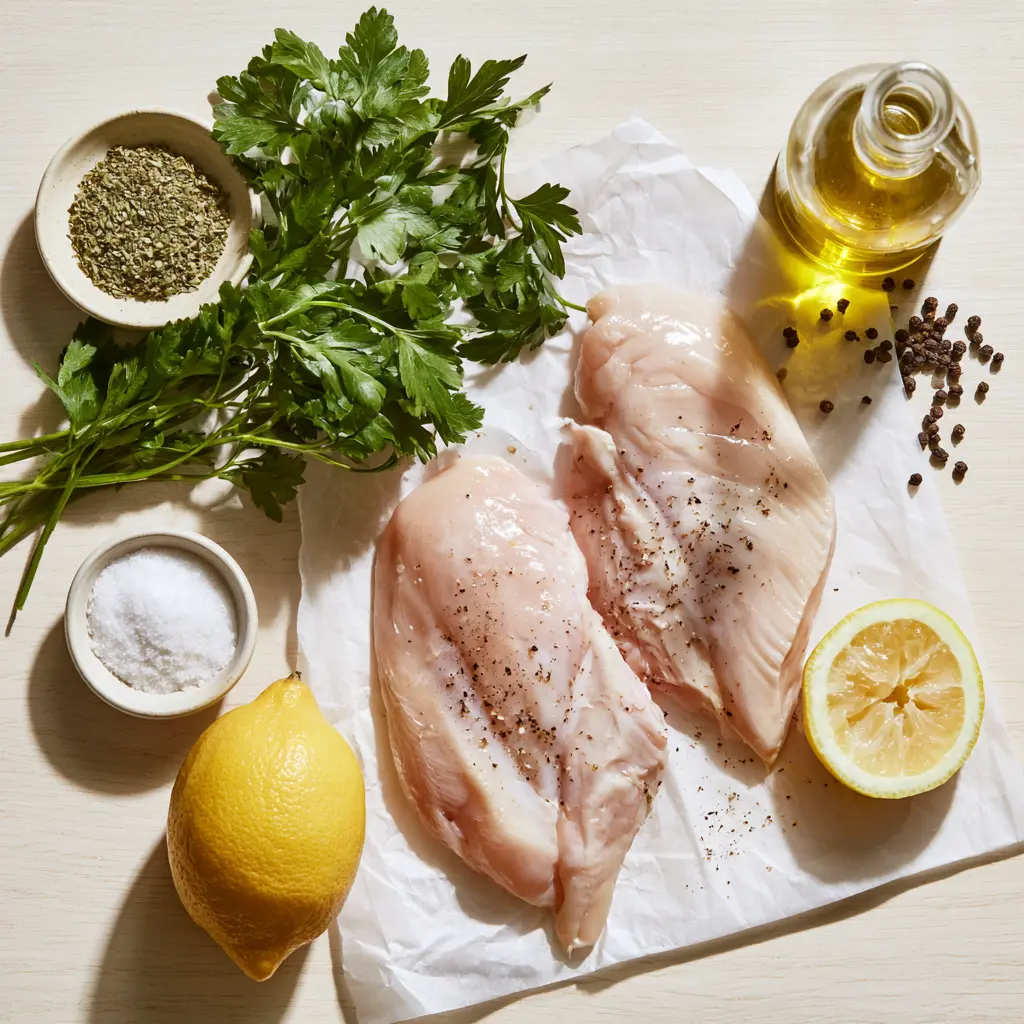
One medium lemon does a lot of work in this dish. A regular lemon is great. If you can find a Meyer lemon, grab it. Its lower acidity gives a softer, sweeter flavor that’s lovely with the herbs. Just don’t let the chicken soak in the lemon juice for more than a few minutes. Acid can turn the outside of poultry mushy, and nobody wants that texture.
Beyond that, you need:
- Kosher salt, and be generous with it
- A good extra-virgin olive oil, preferably California olive oil
- A pinch of dried oregano
- Freshly ground black pepper
- Two sprigs of fresh flat-leaf parsley for the finish
That’s the whole list. Pat the chicken dry with paper towels before you season it. I promise this matters. A dry surface is what helps it turn golden in the pan instead of steaming.
How to Make Lemon Herb Pan-Fried Chicken Breast
The method here is simple, but the order of things matters. I’ll walk you through the four stages so you know what to look for at every step.
Stage 1: The Quick Lemon-Salt Bath
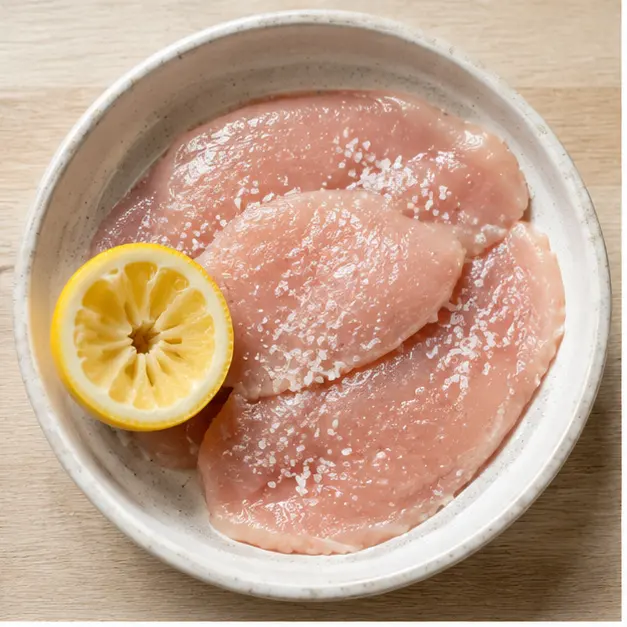
Lay the chicken breasts in a shallow dish or bowl. Pour half of the fresh lemon juice over the tops, then season both sides generously with salt. Let it sit while your skillet warms up. That’s it. A few minutes, no more.
This short bath does two things. The salt seasons the meat all the way through, and the lemon brightens the surface. But here’s the catch: if you walk away and let it soak for twenty minutes, the acid starts breaking down the protein and the exterior turns soft and chalky. So give it five minutes of attention, not fifty.
Stage 2: The Pan and the Heat
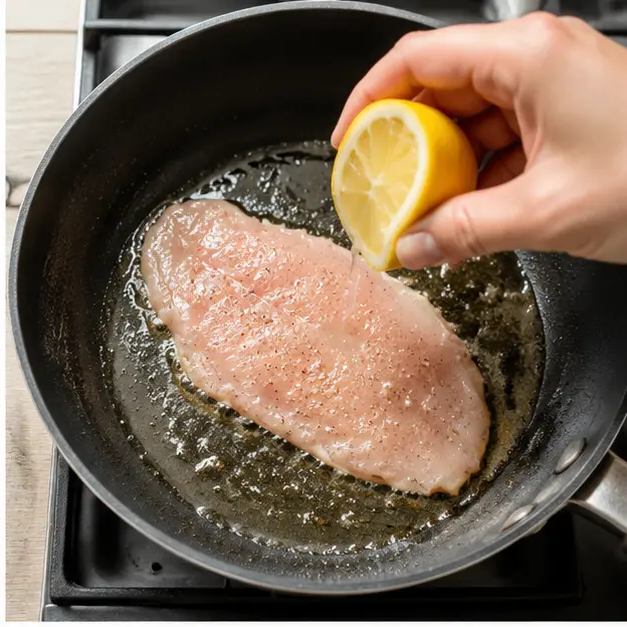
Warm the olive oil in a medium skillet over medium-low heat. This is where a lot of folks go wrong. They crank the burner to high, the oil starts smoking, and the lemon scorches before the chicken cooks through. Medium-low is your friend here. The lemon juice can’t handle a screaming-hot pan, and neither can the chicken.
Place the chicken in the hot oil in a single layer. Don’t crowd the pan. If you’re cooking more than two breasts, do it in batches so each piece gets proper contact with the pan. Then pour in the remaining lemon juice right around the chicken. Sprinkle with the oregano and season with black pepper.
Stage 3: Cook Time and Knowing When It’s Done
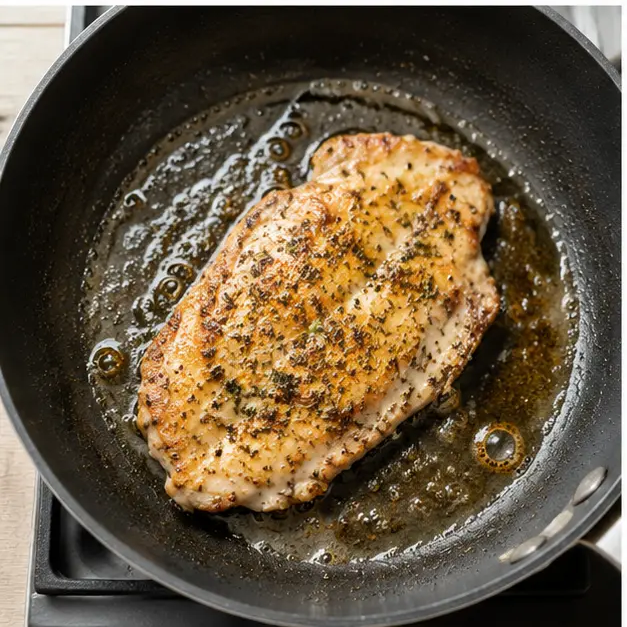
Now you wait. Let the chicken cook, undisturbed, for 5 to 10 minutes per side. When the bottom edge looks golden at around the 5-minute mark, it’s probably time to check. If it resists the spatula, leave it alone for another minute. It will release when the crust is ready.
An instant-read thermometer is your best friend here. Insert it into the thickest part of the meat. When it registers 165 degrees F (74 degrees C), the chicken is done. Pull it right then and it stays juicy, never dry. Because breasts vary in thickness, cook thinner ones for less time and remove them first if needed.
Stage 4: Pan Juices, Rest, and Parsley
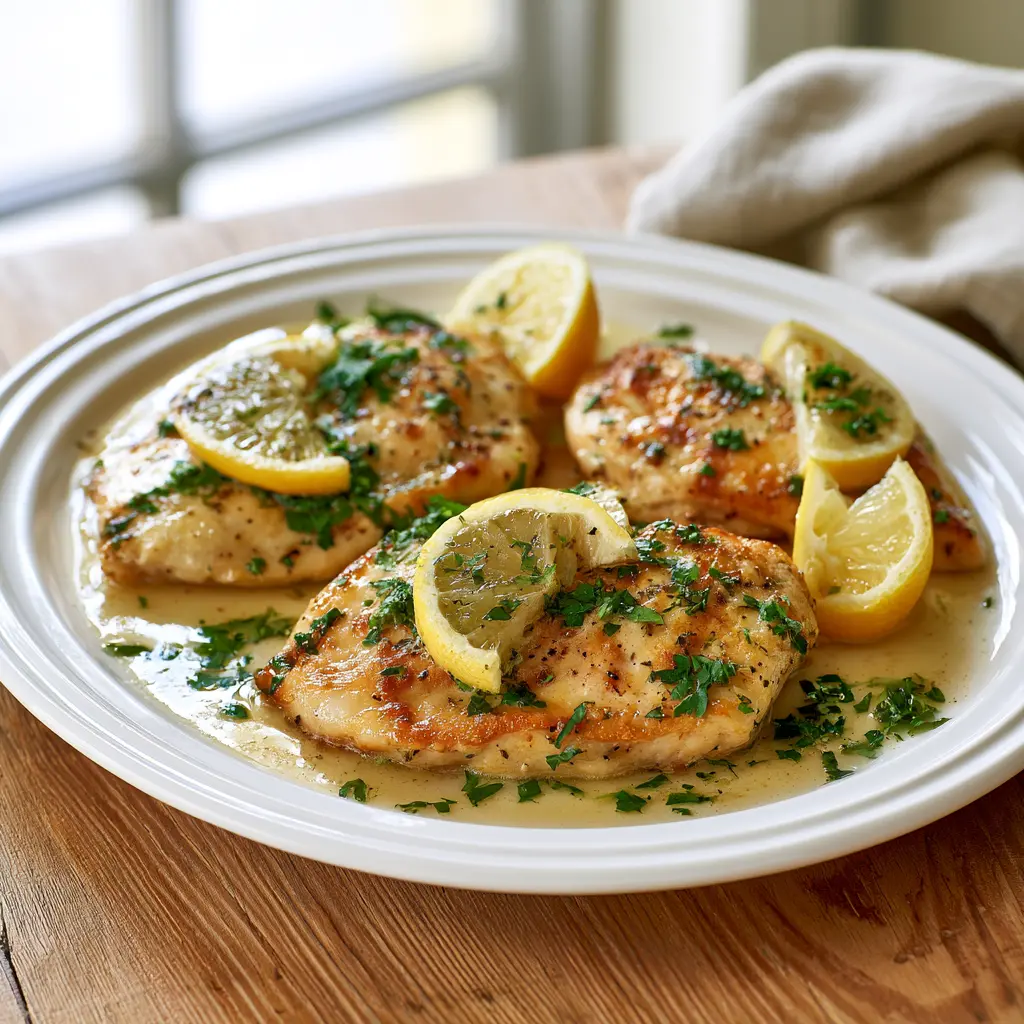
Transfer the chicken to plates or a cutting board. Spoon any pan juices over the top immediately. This is the moment the kitchen starts smelling like a whole week of good luck. The lemony liquid in the pan has picked up the oregano, the pepper, and the browned bits, and it’s liquid gold.
If you’re slicing the chicken, let it rest for five minutes first. That short rest keeps the juices from running out across the board. Then tear the fresh parsley over the top. It adds a bright green finish that makes the whole plate look alive.
Should Lemon Go On Before or After Cooking?
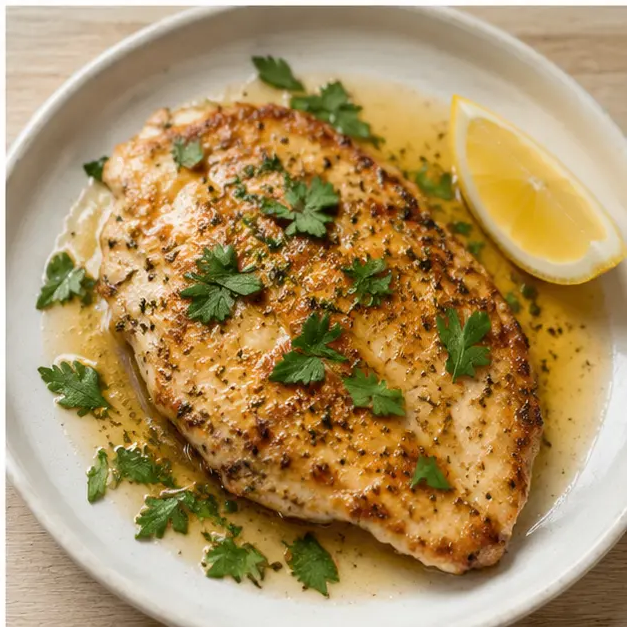
Both, but differently. The quick pre-cook squeeze brightens the surface. The lemon you pour into the pan becomes a light sauce you spoon over the finished chicken. Neither one sits long enough to turn bitter or mushy. That balance is the whole secret to this easy lemon chicken breast.
Chef’s Tips for the Juiciest Pan-Fried Chicken
I’ve tested this lemon herb pan-fried chicken breast more times than I can count, and these are the small habits that make the difference between good chicken and chicken people ask about later.
- Pound or slice for even thickness. If one end is twice as thick as the other, the thin end will dry out before the thick end cooks. Slice large breasts in half, or pound them gently to a uniform 1/2 inch.
- Pat dry before the lemon bath. Less surface moisture means a better golden color when it hits the oil.
- Warm the pan slowly. Give the oil a minute over medium-low heat before the chicken goes in. You want a gentle shimmer, not smoke.
- Don’t overcrowd. Each piece needs room to develop a golden brown crust. Crowding makes them steam instead.
- Trust the thermometer. Cut into the chicken to check and you lose the juices. Pull it at 165 degrees F and it’s done, period.
If you have time, you can also dry brine the chicken breast ahead. Season both sides with salt and let it rest uncovered in the fridge for 30 minutes to a few hours. Pat it dry, skip the extra salt in the bath, and continue with the recipe. It makes the meat even more forgiving.
Here are the most common mistakes I see, and the fixes:
- ❌ Crank the heat to get a crust faster. The lemon scorches and the outside browns before the middle cooks. ✅ Keep it at medium-low and let time do the work.
- ❌ Flip the chicken before it releases from the pan. ✅ Wait until the bottom edge looks golden. If it sticks, it’s not ready.
- ❌ Let the chicken soak in lemon juice while you chop the entire salad. ✅ A few minutes max. Acid changes the texture of raw poultry fast.
Easy Variations and Substitutions
The base recipe is already plenty good, but cooking should bend to what you have. Here are a few ways to change it up. Treat these as optional extras, not part of the original formula.
- Different herbs. Oregano is the backbone here, but fresh thyme and rosemary work beautifully too. Add them to the pan with the chicken and let their oils warm into the juice.
- Extra lemon. Squeeze another lemon wedge over the plated chicken if you want more brightness. Meyer lemon makes it softer and sweeter.
- A buttery finish. If you want a richer pan sauce, drop a small knob of butter into the skillet during the last minute of cooking and spoon it over the chicken. It’s not in the original recipe, but it sure doesn’t hurt.
- Chicken thighs. Boneless, skinless thighs work fine if you prefer dark meat. They’re more forgiving and cook up tender. Just give them an extra minute or two per side.
However you adjust it, keep the core idea intact: short lemon contact, steady medium-low heat, and a generous finish of pan juices.
What to Serve with Lemon Herb Pan-Fried Chicken Breast
This chicken is light enough for warm evenings and comforting enough for cool ones. The pan juices ask for something to soak them up.
- A bright green salad with a simple vinaigrette
- Steamed or roasted asparagus, or roasted broccoli and Brussels sprouts for fall
- Wild rice or plain steamed rice
- Crusty sourdough bread to catch every drop of the lemony pan juices
- Cauliflower rice if you’re keeping the carbs low
- Orzo or buttered noodles when you want something cozy
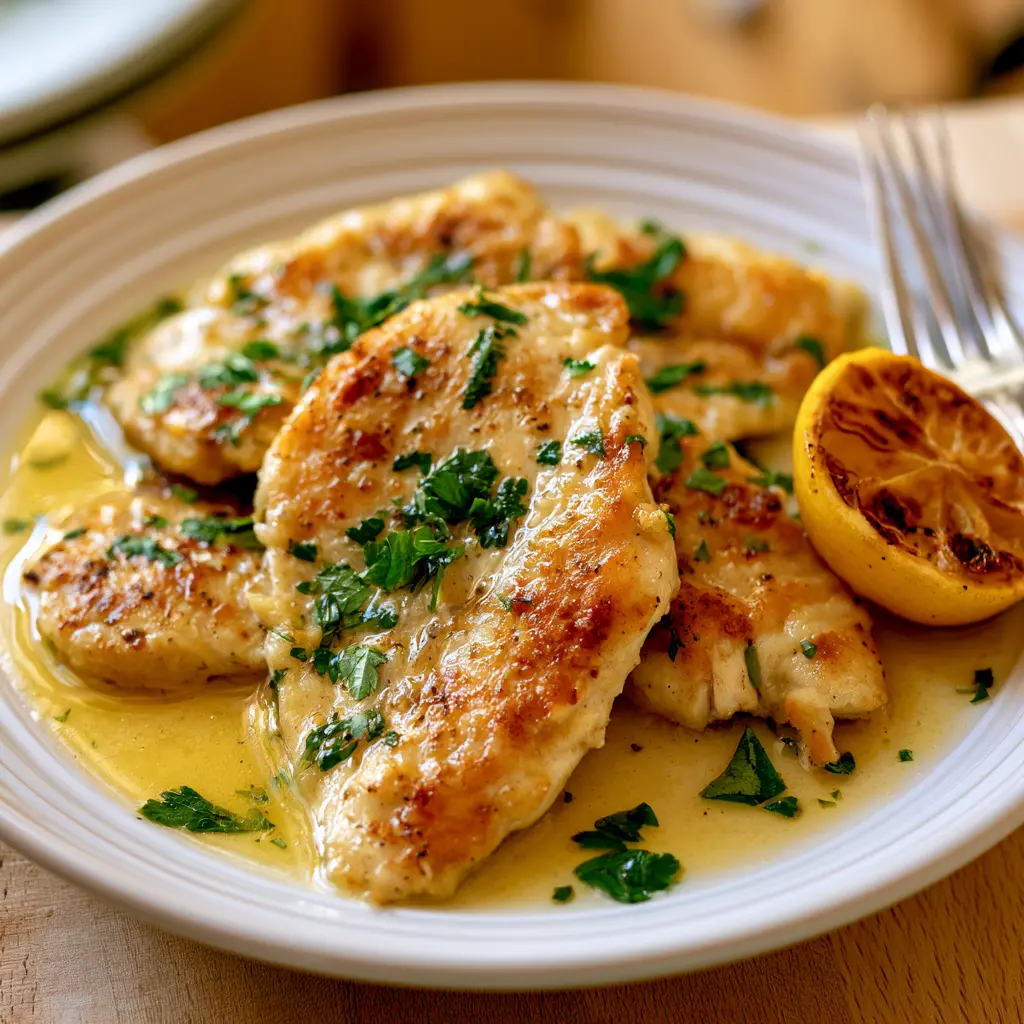
When the nights start getting cool, I like this with roasted broccoli and a slice of sourdough. The chicken is warm, the lemon keeps it bright, and the bread does the important work of cleaning the plate.
How to Store and Reheat Leftovers
If you manage to have leftovers, store them in an airtight container in the refrigerator for up to 3 days. The chicken will keep its flavor, though it won’t be quite as juicy as the night you made it.
Reheat gently to avoid toughening the meat. Low heat on the stove with a splash of water or lemon juice helps bring back some moisture. You can use the microwave in a pinch, but go easy on the power setting.
This pan-fried lemon herb chicken also freezes well. Wrap the pieces with a little of the pan juice in a freezer-safe container for up to 2 months. Thaw overnight in the fridge before reheating. It’s a solid meal-prep option for the weeks when you know dinner will be chaos.
A Final Word Before You Cook
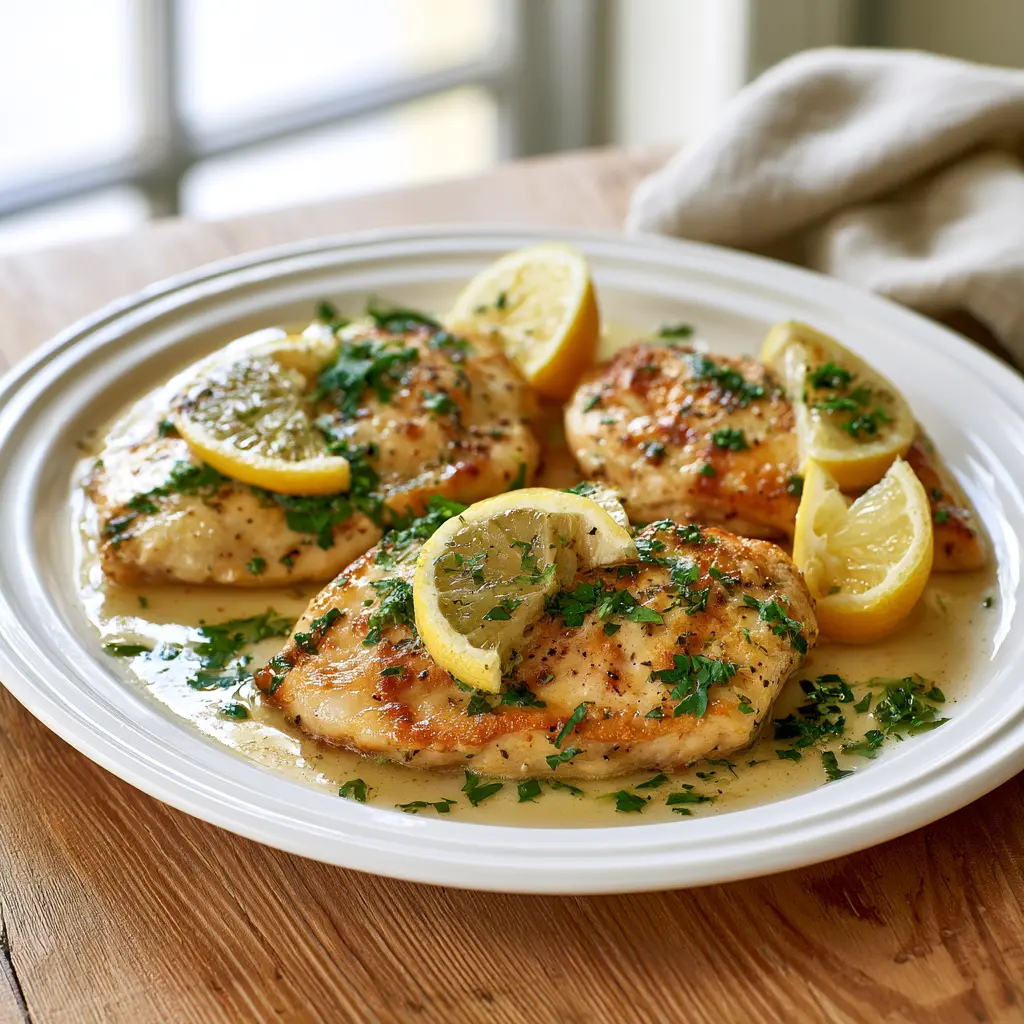
When you make this tonight, don’t skip the rest step and don’t skimp on the parsley. Visualize that first slice: golden outside, moist inside, bright lemon-herb juice pooling on the plate. That’s the color you want.
I’d love to hear how it goes. When you make this lemon herb pan-fried chicken breast, tell me who reached for seconds. And if you want to keep this one handy for the busy weeks ahead, save it to your weeknight dinner board.
Pin this recipe for later: save this lemon herb pan-fried chicken breast to your Pinterest dinner board.
Lemon Herb Pan-Fried Chicken Breast
Ingredients
Method
- Lay the chicken breasts in a shallow dish or bowl. Pour half of the fresh lemon juice over the tops and season both sides generously with salt.
- Warm the olive oil in a medium skillet over medium-low heat. Place the chicken in the hot oil in a single layer and pour in the remaining lemon juice. Sprinkle with the oregano and season with black pepper. Pan-fry until the chicken is golden brown and no longer pink in the center, 5 to 10 minutes per side; an instant-read thermometer inserted into the thickest part should register 165 degrees F (74 degrees C).
- Transfer the chicken to plates, spoon any pan juices over the top, and garnish with fresh parsley before serving.
Nutrition
Notes
Tried this recipe?
Let us know how it was!Frequently Asked Questions About This Lemon Herb Pan-Fried Chicken Breast
Source: Learn More About This Dish
Should you put lemon juice on chicken before or after cooking?
Both, for different reasons. A quick squeeze before cooking brightens the surface and seasons the meat. The rest goes into the pan while the chicken cooks, and you spoon those juices over the finished dish. Just don’t let raw chicken soak in lemon for more than a few minutes, or the acid turns the exterior mushy.
How do you pan fry chicken breast without it getting tough?
Start with even thickness. Slice large chicken breasts in half so they cook at the same rate. Use medium-low heat, not high, and don’t crowd the skillet. Cook 5 to 10 minutes per side and pull the chicken at 165 degrees F with an instant-read thermometer. Let it rest a few minutes before slicing.
What are the three ingredients in lemon chicken?
Chicken, lemon, and olive oil. Salt does the quiet work, and a pinch of oregano plus fresh parsley make it sing. The beauty of this lemon herb pan-fried chicken breast is how few ingredients it needs. You don’t need a bottled sauce or a complicated marinade to get bright, fresh flavor.
What’s the secret to a crispy lemon chicken?
A dry surface and steady heat. Pat the chicken dry before the quick lemon bath so it can brown. Warm the oil over medium-low, not high, and leave the chicken alone until the bottom edge turns golden. It will release from the pan when the crust is ready. Patience makes it crisp.
Can I use chicken thighs instead of chicken breasts?
Yes. Boneless, skinless thighs work well and are more forgiving if you cook them a minute too long. They have more fat, so they stay tender. Give them an extra minute or two per side and check for doneness the same way. Dark meat can also go slightly past 165 degrees F without drying out.
Why shouldn’t chicken sit in lemon juice for a long time?
Acid breaks down protein. A short bath of a few minutes brightens the surface and seasons the meat. Leave chicken soaking in lemon juice for an hour or more, and the exterior turns soft, pale, and almost chalky. The inside cooks fine, but the texture of that outer layer is hard to come back from.
How long does lemon herb pan-fried chicken breast last in the fridge?
Store leftovers in an airtight container for up to 3 days. Reheat gently on low heat with a splash of water or lemon juice so the meat doesn’t toughen. You can also freeze it for up to 2 months. Thaw in the fridge overnight before reheating for a quick future dinner.