
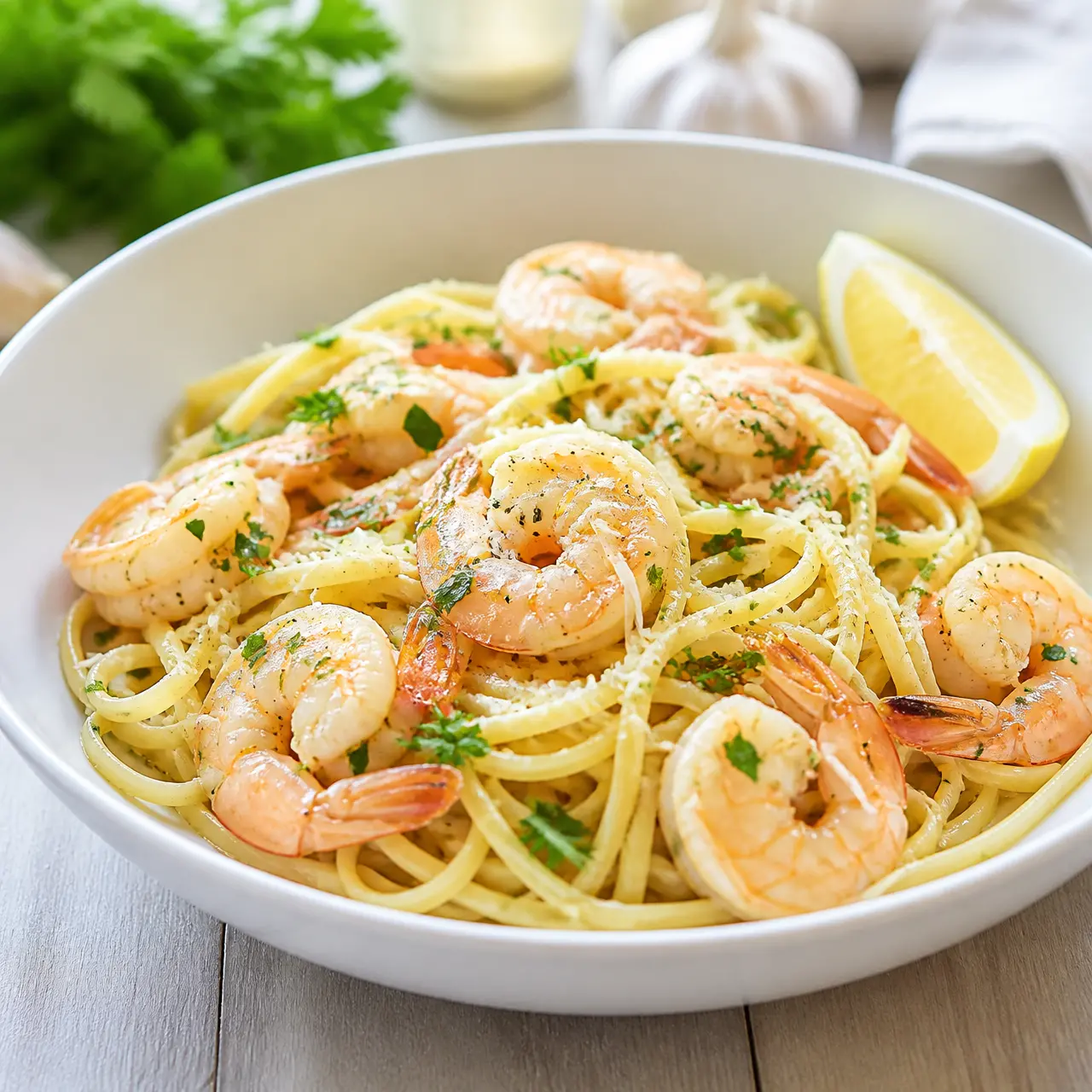
Why You’ll Love This Shrimp Scampi
The best shrimp scampi I ever ordered came on a random Tuesday night at a tiny neighborhood spot in Los Angeles. The shrimp were plump and sweet, the sauce was garlicky and bright, the linguine twirled around my fork like it was showing off. You can make that exact bowl at home in 20 minutes.
Here’s the thing. It might actually be better than the restaurant version.
My first time attempting shrimp scampi, I burnt the garlic so badly my whole apartment smelled like a campfire for two days. I served it anyway. Zero regrets. The lesson stuck: garlic goes in last, cooks fast, and never, ever browns.
This California-style shrimp scampi skips the heavy butter and leans on extra-virgin olive oil, Meyer lemon, and low-sodium chicken broth. The result is a silky, emulsified sauce that clings to every strand of linguine. No cream, no roux, no fuss.
Here’s the short version of what you’re getting:
- 20 minutes, start to table, pasta included
- One skillet for the sauce and shrimp, minimal cleanup
- Tender, juicy shrimp every single time, never rubbery
- A restaurant-worthy sauce from ingredients you mostly already own
Garlic. Lemon. Shrimp. Twenty minutes. Done. That’s really all this is.
What Is Shrimp Scampi?
Fun fact before we cook. In Italy, “scampi” means langoustines, those tiny lobster-like crustaceans you see on Mediterranean menus. When Italian immigrants brought the dish to America and couldn’t find langoustines, they swapped in shrimp. The name stuck.
Somewhere along the way, shrimp scampi became the garlicky, lemony bowl of pasta we all know and love. Real shrimp scampi doesn’t need cream or a complicated technique. It’s about restraint, fresh ingredients, and timing.
Classic versions often include white wine in the sauce. This version takes a California turn: low-sodium chicken broth replaces the wine, fresh Meyer lemon juice does the brightening, and olive oil keeps everything summery and light.
The result? Still unmistakably shrimp scampi. Garlicky, glossy, bright, and perfect over linguine.
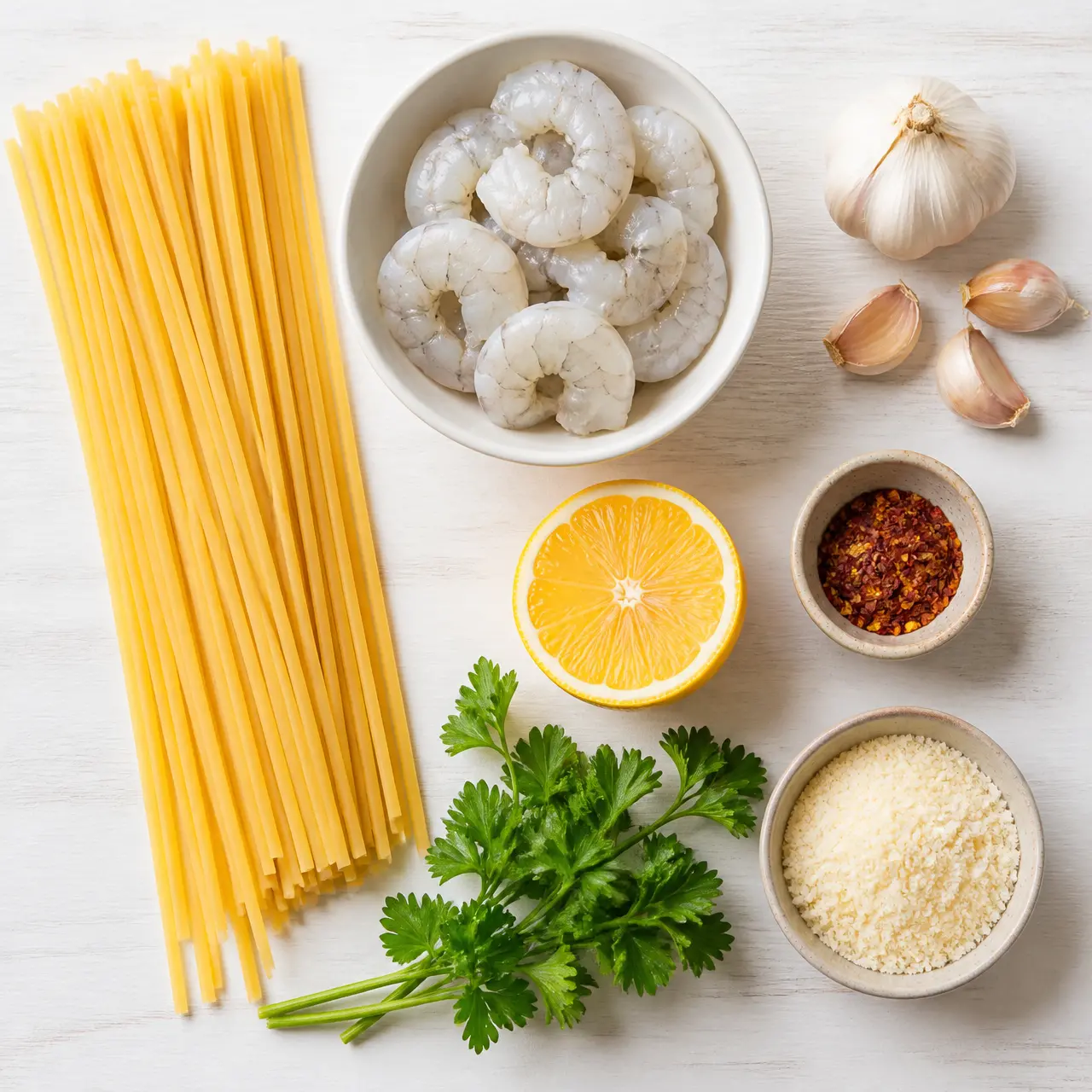
Shrimp Scampi Ingredients
You might already have most of this in your kitchen. That’s the beauty of a good shrimp scampi. A handful of real ingredients doing real work:
- Dry linguine, long strands grab the glossy sauce best. Angel hair or spaghetti work in a pinch.
- Medium shrimp, peeled and deveined. Wild-caught if you can find it, the flavor is noticeably sweeter.
- Extra-virgin olive oil, preferably California. It’s fruitier and stands up to the garlic beautifully.
- Garlic, minced or thinly sliced. Sliced is more mellow, minced brings more punch.
- Red pepper flakes, just a whisper of heat to wake everything up.
- Low-sodium chicken broth, the backbone of this wine-free scampi sauce. Season your salt carefully since the broth and Parmesan add natural saltiness.
- Fresh lemon juice, Meyer lemon if it’s in season. Sweeter and less tart than regular lemons, absolutely worth seeking out.
- Fresh parsley, please don’t skip this. It’s the burst of freshness that cuts through the garlic.
- Parmesan cheese, grated for serving. It melts into the hot pasta like a dream.
No heavy cream. No shopping at three different stores. Just the classics, done right.
How to Make Shrimp Scampi
This comes together in four simple stages. Watch the clock, 20 minutes total, and you’ll be twirling pasta before you know it. Grab a large skillet with high sides, a big pasta pot, and sturdy tongs. That’s all the equipment you need.
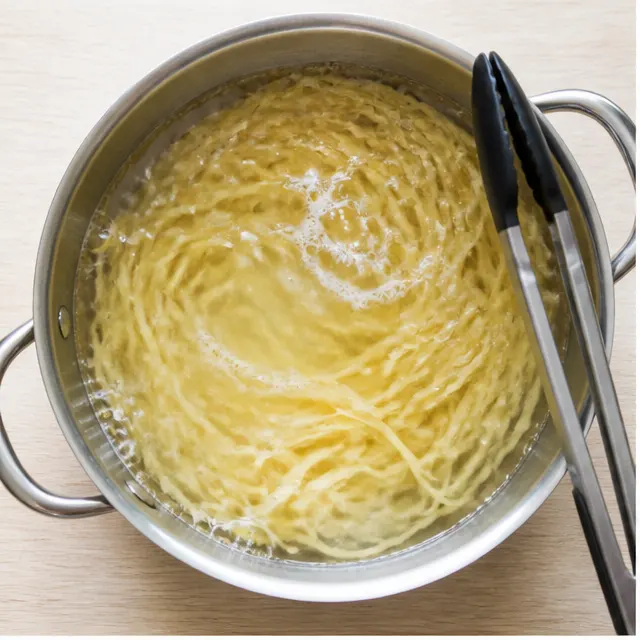
Stage 1: Cook the Linguine
Fill a large pot with generously salted water and bring it to a rolling boil. This is your only chance to season the pasta from the inside, so be a little heavy-handed with that salt. Drop in the linguine and cook until just al dente, about 8 to 10 minutes depending on the brand.
Before you drain it, scoop out about half a cup of that starchy pasta water. This is liquid gold. It thins your sauce, helps it cling to the noodles, and rescues a sauce that looks too tight. Trust me on this one.
Stage 2: Sear the Shrimp
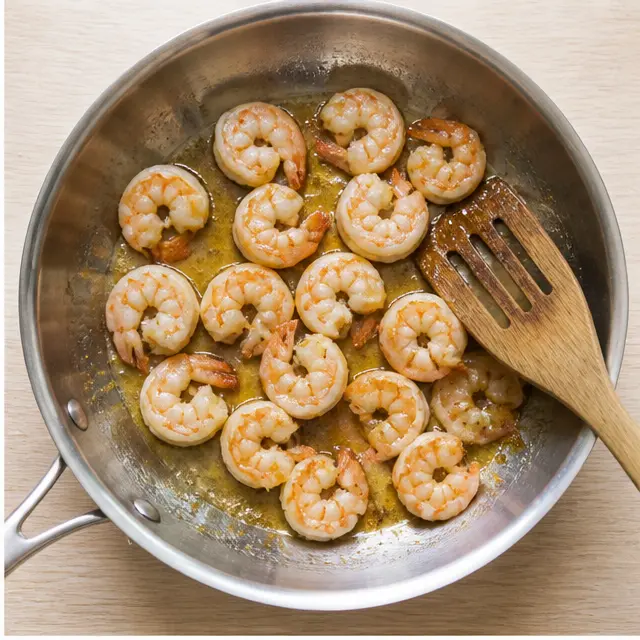
Heat the olive oil in a large skillet over medium-high heat. When it shimmers, add the shrimp in a single layer and season lightly with salt and pepper. Listen for that satisfying sizzle. Crowded shrimp steam instead of sear, so give them room to breathe.
Cook for 2 minutes per side until the shrimp are pink and opaque. Here’s the doneness test that matters: as shrimp cook, their muscle fibers contract and pull them into a curve. A loose C-shape means perfectly done. A tight O-shape means overcooked. Pull them at the C.
Stage 3: Build the Sauce
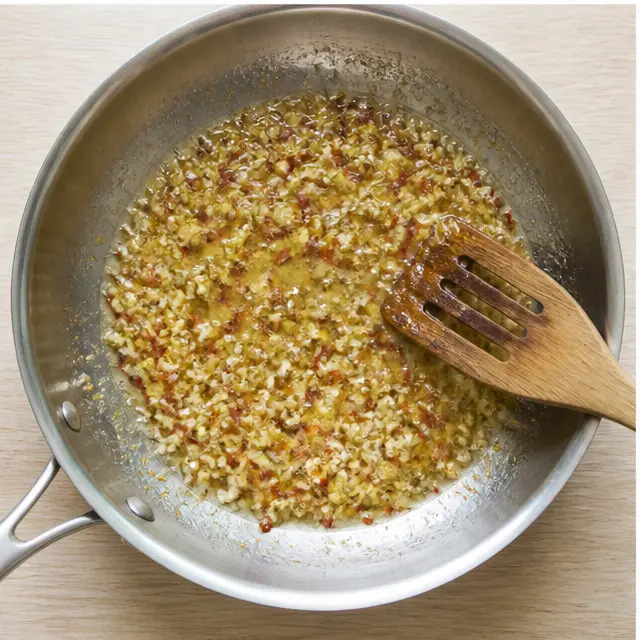
Drop the heat to medium and keep the same skillet. Add the garlic and red pepper flakes, stirring for about 30 seconds until fragrant and just softened. The garlic should smell incredible, not toasty. The moment it starts to brown, you’ve gone too far.
Pour in the chicken broth and lemon juice, scraping up all those browned bits from the bottom of the pan. That’s flavor you’re rescuing, don’t leave it behind. Let it simmer for 2 to 3 minutes until it reduces slightly and turns glossy.
Stage 4: Bring It All Together
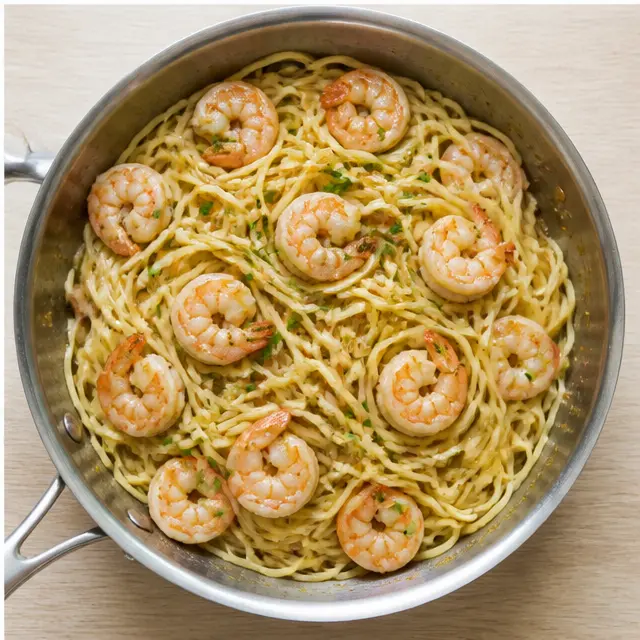
Return the shrimp to the skillet and toss gently to coat them in the sauce. Add the drained linguine and toss everything together until every strand is dressed. If the sauce looks dry, add a splash of the reserved pasta water and watch it emulsify into something silky.
Pull the pan off the heat, stir in the fresh parsley, and adjust the seasoning. Serve immediately with grated Parmesan on top.
That twirl. That glossy, garlicky twirl. That’s your victory lap.
Tips for the Best Shrimp Scampi
I’ve made this dish more times than I can count, and these are the lessons that actually stick:
Don’t overcook the shrimp. This is the single most important tip in this entire article. Shrimp go from tender to rubbery in about 30 seconds. Use the C-shape test, pull them early, and let the warm sauce finish the job.
Keep the garlic golden, not brown. Burnt garlic turns bitter and ruins the whole sauce. Thirty seconds of stirring is all it needs. If you’re nervous, slice the garlic thin instead of mincing, it’s more forgiving.
Save that pasta water. Every Italian home cook will tell you the same thing. Starchy pasta water is the glue that binds sauce to noodles. Non-negotiable.
Serve immediately. Shrimp scampi waits for no one. The sauce stays glossy and the shrimp stay tender for about five minutes, tops.
For extra richness, swirl in a tablespoon of butter after you pull the pan off the heat. It’s completely optional, but it’s glorious. The sauce turns even silkier.
Common Mistakes to Avoid
❌ Overcooked shrimp (tight O-shape): Pull them at the loose C-shape, 2 minutes per side, max.
❌ Burnt garlic: Thirty seconds over medium heat, stirring constantly. Golden and fragrant, never brown.
❌ Watery sauce: Reduce the broth and lemon before adding the pasta, then loosen with pasta water splash by splash.
❌ Letting shrimp sit in the hot pan: They keep cooking from the residual heat. Plate immediately.
❌ Microwave reheating: Reheat gently on the stovetop with a splash of broth. Your shrimp will thank you.
What to Serve with Shrimp Scampi
Shrimp scampi is a full meal on its own, but the right sides make it sing. Here’s what I reach for:
- Crusty sourdough bread, for sopping up every last drop of that garlic-lemon sauce. San Francisco sourdough is my weakness.
- Crisp green salad, something light with a bright vinaigrette. In the summer, add ripe tomatoes and fresh basil.
- Roasted vegetables, asparagus, zucchini, or broccolini tossed in olive oil and salt.
- Sautéed spinach, it wilts in minutes and soaks up the extra sauce beautifully.
On a hot August night, this is the dinner. Twenty minutes of stovetop cooking beats turning on the oven when it’s 95 degrees outside. And if you’re watching carbs, shrimp scampi is incredibly forgiving. Serve it over zucchini noodles or cauliflower rice instead of linguine. Same garlicky sauce, zero regrets.
How to Store and Reheat Shrimp Scampi
This dish is best the moment it hits the plate. But if you have leftovers, and I won’t judge you if you don’t, here’s the right way to handle them:
Storage: Transfer to an airtight container and refrigerate within 2 hours. It keeps for up to 2 days. The pasta absorbs some sauce overnight, so don’t panic if it looks drier in the morning.
Reheating: Gentle is the keyword. Warm it in a skillet over medium-low heat with a splash of broth or water to loosen the sauce. Stir until just heated through. Avoid the microwave, it turns shrimp into rubber pellets.
Freezing: Technically possible, but I don’t recommend it. Shrimp get mealy when frozen in a sauce. If you must, freeze in an airtight container for up to one month and thaw overnight in the fridge. Just know the texture won’t be the same.
Final Thoughts
There’s a reason shrimp scampi is a classic. It’s fast, it’s forgiving once you know the tricks, and it tastes like something you’d pay twenty bucks for at a neighborhood bistro. The garlic sizzles, the lemon zings, the shrimp curl into perfect pink C-shapes. I once ate this directly from the skillet, standing over the sink, zero regrets.
When you make this shrimp scampi tonight, and you will, come back and tell me how the twirl went. I want to hear about the garlic smell filling your kitchen and the plate wiped clean with sourdough.
Looking for more quick dinner ideas? Save this shrimp scampi and more weeknight favorites on my Pinterest board so they’re ready when you need them.
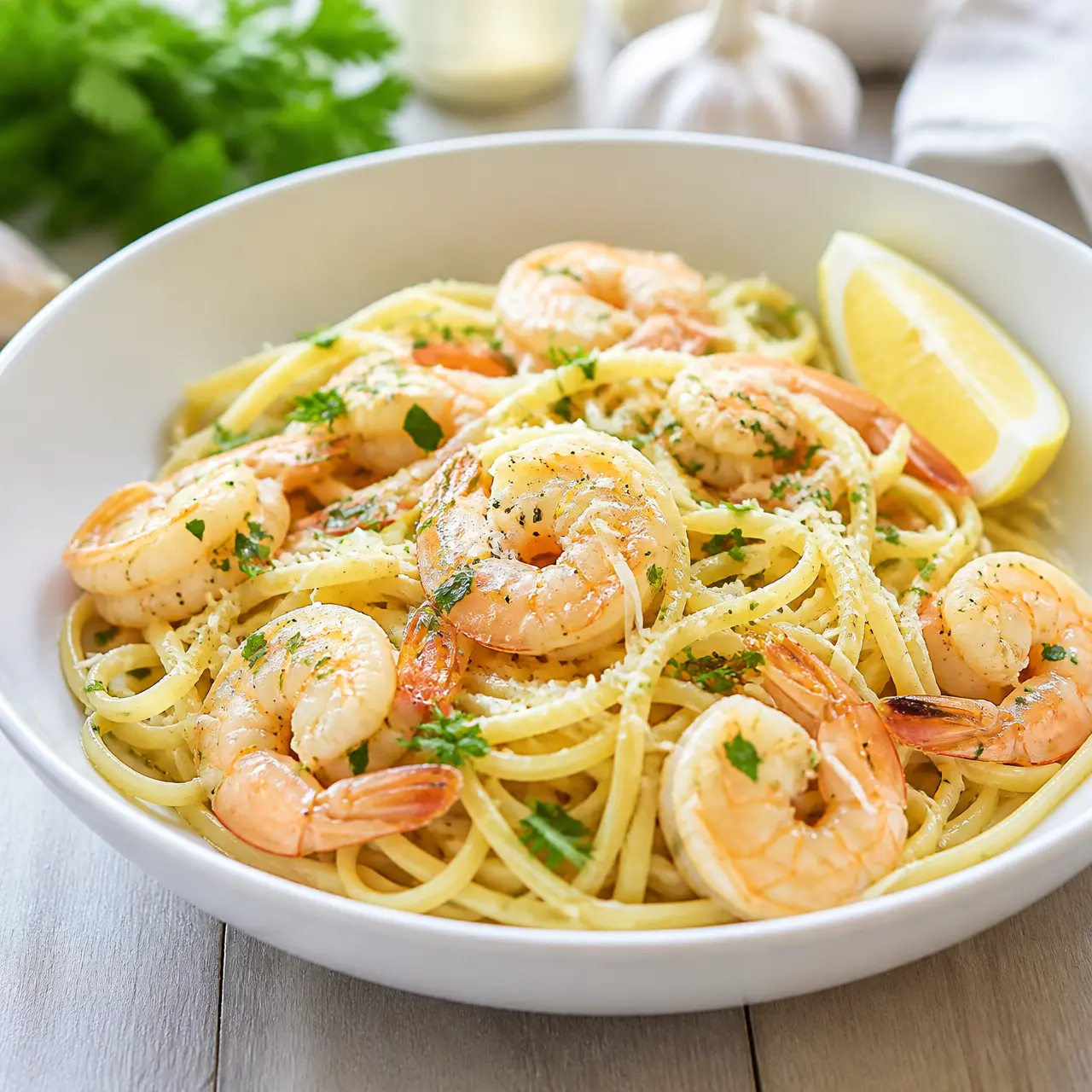
California-Style Shrimp Scampi Linguine with Meyer Lemon
Ingredients
Method
- Fill a large pot with well-salted water and bring it to a rolling boil. Add the linguine and cook until just al dente according to the package directions, usually about 8 to 10 minutes. Before draining, scoop out roughly 1/2 cup of the starchy pasta water and set it aside.
- Heat the olive oil in a large skillet over medium-high heat. Add the shrimp in a single layer and season lightly with salt and black pepper. Cook for 2 minutes per side until the shrimp are pink and opaque, then transfer them to a plate and set aside.
- Reduce the heat to medium and keep the same skillet. Add the garlic and red pepper flakes, stirring for about 30 seconds until fragrant and just softened, being careful not to brown the garlic. Pour in the chicken broth and lemon juice, scraping up any browned bits from the bottom of the pan. Let the mixture simmer for 2 to 3 minutes, or until slightly reduced.
- Return the shrimp to the skillet and toss gently to coat them in the sauce. Add the drained linguine to the skillet and toss everything together until the pasta is evenly coated. If the sauce looks dry, add a splash of the reserved pasta water to loosen it up.
- Remove the skillet from the heat and stir in the fresh parsley. Taste and adjust the seasoning with additional salt and pepper if needed. Serve immediately with grated Parmesan cheese on top for an extra layer of savory flavor.
Nutrition
Notes
Tried this recipe?
Let us know how it was!Shrimp Scampi FAQ
Source: Learn More About This Dish


3 responses to “How to Make Shrimp Scampi: A Simple 20-Minute Guide”
Made this last night for a quick dinner and it was fantastic! The lemon-garlic sauce is so bright and flavorful, and the shrimp came out perfectly tender. I loved the tip about adding the garlic at the end—no burnt garlic here! Will definitely be making this again.
Really tasty recipe and so quick! I only had frozen shrimp on hand—would you recommend thawing them fully before cooking, or can I toss them in frozen? I also used a splash of white wine instead of chicken broth and it was lovely.
I’m so glad you enjoyed it! Yes, thaw frozen shrimp completely and pat them dry before cooking—that way they’ll sear nicely instead of releasing too much water. White wine sounds like a delicious swap, I’ll have to try that next time!