
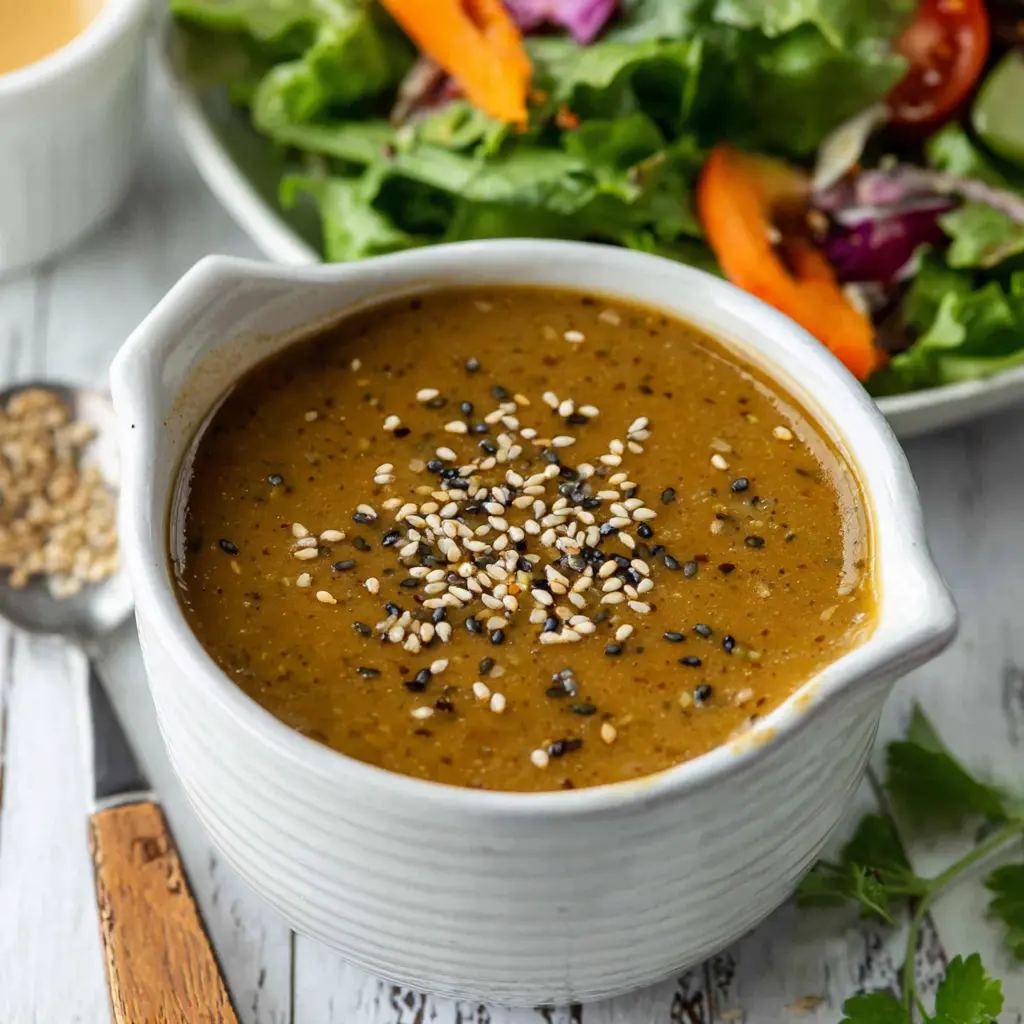
Creamy Sesame Ginger Dressing Recipe
Ingredients
Method
- Place the minced ginger, minced red onion, rice vinegar, mayonnaise, tahini, toasted sesame oil, and low-sodium soy sauce into a blender. Blend on high until completely smooth, about 30 seconds.
- Stop the blender and scrape down the sides with a rubber spatula to ensure everything is well incorporated.
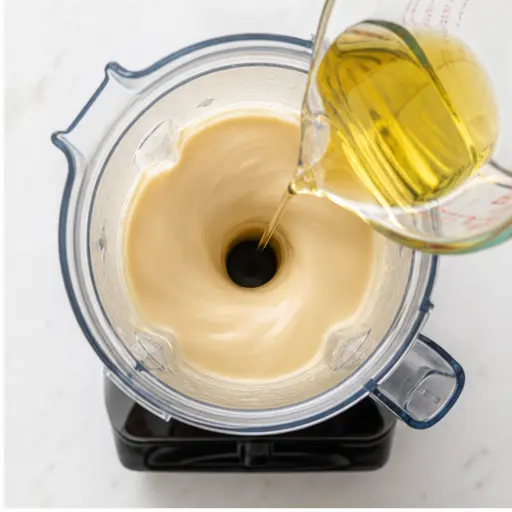
- With the blender running on low, remove the small cap from the lid (or open the pour spout) and slowly drizzle in the grapeseed oil in a steady stream. This gradual addition helps create a creamy, stable emulsion.
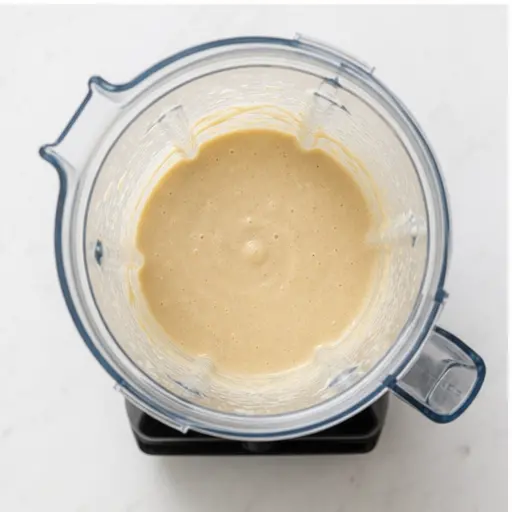
- Continue blending for another 15-20 seconds until the dressing is thick, smooth, and uniformly combined.
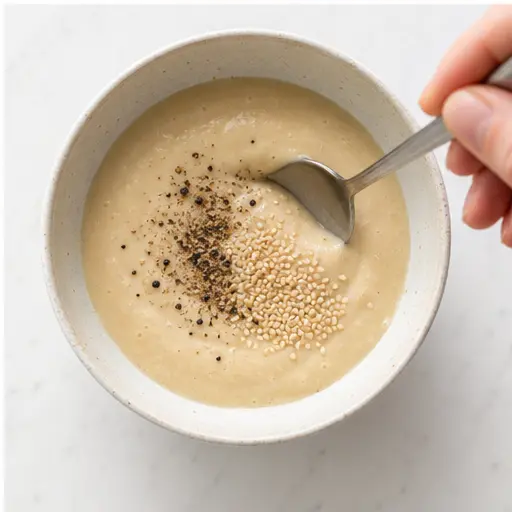
- Transfer the dressing to a bowl or jar. Stir in the freshly ground black pepper and toasted sesame seeds by hand for added texture and flavor.
- Use immediately or refrigerate in an airtight container for up to one week. Shake well before each use.
Nutrition
Notes
Tried this recipe?
Let us know how it was!Why This Creamy Sesame Ginger Dressing Works
Ever opened your fridge to a sad, wilted salad and wished you had that amazing dressing from your favorite Japanese restaurant? I’ve been there. So many times. I used to buy those bottled dressings from the store, thinking they were close enough. But they always had this weird, overly processed taste, you know? And the ingredients list? A mile long with stuff I couldn’t pronounce.
That’s when I decided to figure out how to make my own sesame ginger dressing at home. And honestly? My first attempt was a disaster. Curdled and oily. I almost gave up. But I kept tweaking, and I finally cracked the code. This creamy, nutty, tangy version is the result of all those experiments. It’s the one I now make every single week, and I promise, by the time you finish reading this list, this dressing could already be in your fridge. It takes less than five minutes.
What makes this homemade salad dressing so special is the perfect balance of flavors. The fresh ginger gives it a warm kick, the tahini adds a nutty depth, and the rice vinegar brings just the right amount of tang. Plus, it’s a healthy dressing that you can feel good about. No preservatives, no weird additives. Just real ingredients that make your taste buds sing. I use it on everything from simple green salads to grilled chicken, and it never disappoints.
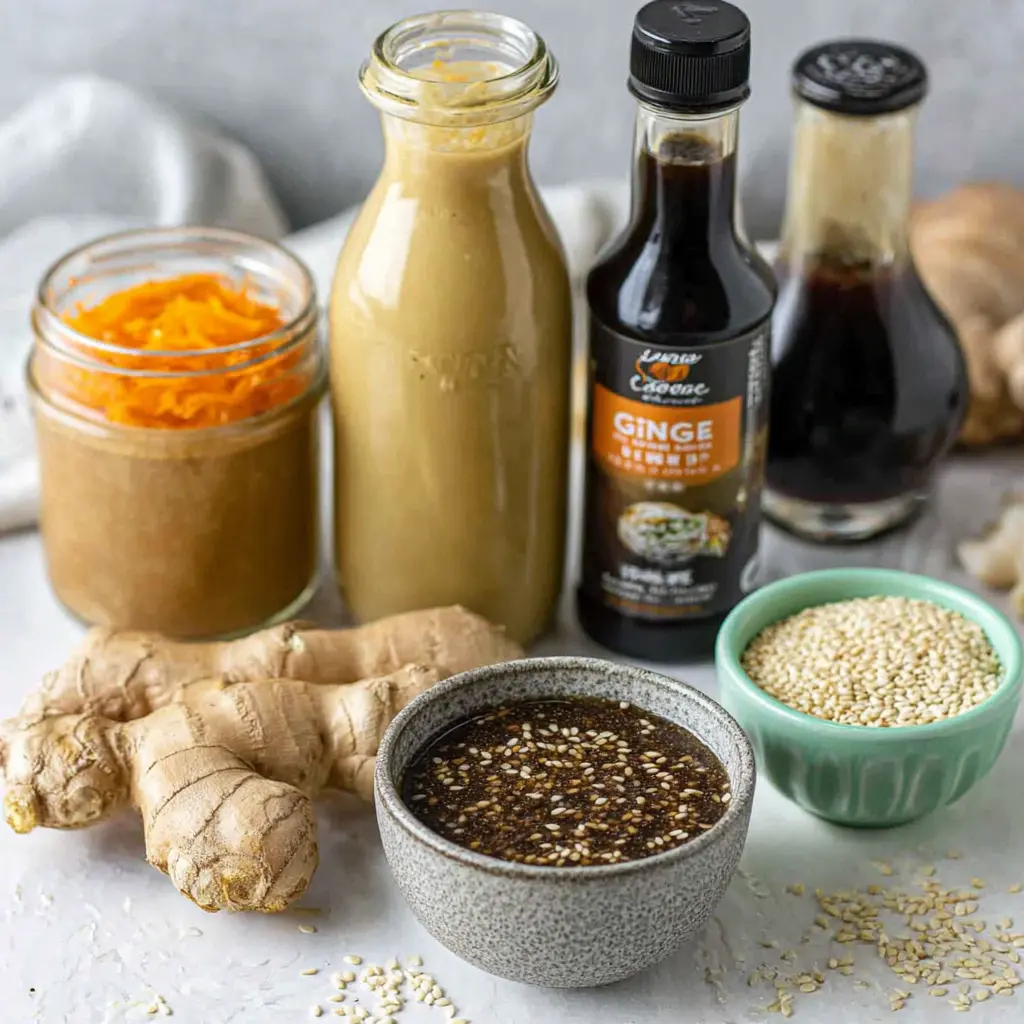
Ingredients for Sesame Ginger Dressing
Let’s talk about what you need. The ingredient list might look a little long, but trust me, most of these are pantry staples once you start making Asian-inspired food. And the best part? You can find everything at your local grocery store. No need for a special trip to a specialty shop.
Here’s the breakdown of what makes this Asian dressing recipe so good:
- Fresh ginger (1 tablespoon, minced): This is non-negotiable. Don’t use the dried stuff. Fresh ginger gives that warm, slightly spicy flavor that’s the star of the show. Pro tip: use a spoon to scrape the skin off the ginger instead of a knife. It’s way easier and you waste less.
- Red onion (1 tablespoon, minced): A little goes a long way. It adds a subtle sharpness that balances the richness of the tahini and oil.
- Rice vinegar (2 tablespoons): This is the key to the tangy flavor. It’s much milder than white vinegar, so it won’t overpower the other ingredients.
- Mayonnaise (1 tablespoon): I know, mayo in a dressing? It’s the secret to the creamy texture without using too much oil. It helps create a stable emulsion. I prefer avocado oil mayo for a cleaner taste.
- Tahini (1 tablespoon): This is what gives the dressing its nutty, savory depth. For the best results, use a really smooth, runny tahini, not the dry, stiff part that you might find at the bottom of a jar. My favorites are Soom, Cedar’s, Trader Joe’s, and Seed+Mill. If your tahini is too thick, you might need to stir it well before measuring.
- Toasted sesame oil (2 teaspoons): This is the flavor bomb. A little bit of this intensely nutty oil goes a long way. Don’t skip it.
- Low-sodium soy sauce (1 tablespoon): This adds the salty, umami flavor. Using low-sodium is important so you can control the saltiness. If you need a gluten-free option, use tamari instead.
- Grapeseed oil (1/3 cup): This is the main oil for the dressing. It’s neutral-tasting, so it won’t compete with the other flavors. You can also use light olive oil or avocado oil.
- Freshly ground black pepper (1/4 teaspoon): A little warmth and complexity.
- Toasted sesame seeds (2 teaspoons): For that final touch of texture and visual appeal. They also add a little extra nuttiness.
Recipe Expert’s Tip
On Tahini: Tahini’s consistency can also vary from brand to brand. If you open a jar and it’s super stiff and separated, give it a really good stir with a knife or a chopstick. Some of the ingredients that comprise this vinaigrette might not be ones that you already have laying around. But if you buy them once, I promise you’ll be using them to make this easy dressing time and time again!
How to Make Sesame Ginger Dressing
Alright, let’s get to the fun part. Making this dressing is incredibly simple. You don’t need any fancy equipment, but I do recommend a blender for the smoothest, creamiest result. A mason jar with a tight-fitting lid works in a pinch, but you’ll need to shake it really, really hard. See? That wasn’t hard. You’ve got this!
Blend the Base
Start by placing the minced ginger, minced red onion, rice vinegar, mayonnaise, tahini, toasted sesame oil, and low-sodium soy sauce into a blender. Blend on high until completely smooth, about 30 seconds. Stop the blender and scrape down the sides with a rubber spatula to ensure everything is well incorporated. This step is crucial for a smooth dressing. You want all those flavors to meld together perfectly before you add the oil.
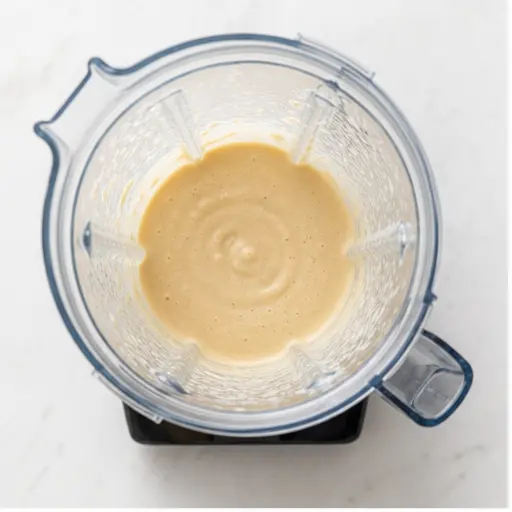
Emulsify the Dressing
Now for the magic trick. With the blender running on low, remove the small cap from the lid (or open the pour spout) and slowly drizzle in the grapeseed oil in a steady stream. This gradual addition helps create a creamy, stable emulsion. If you dump all the oil in at once, you’ll end up with a separated, oily mess. I learned that the hard way. Continue blending for another 15-20 seconds until the dressing is thick, smooth, and uniformly combined. You’ll see it transform from a thin liquid into a luscious, creamy dressing. It’s so satisfying.
Finish and Season
Transfer the dressing to a bowl or jar. Stir in the freshly ground black pepper and toasted sesame seeds by hand for added texture and flavor. This is where you can taste and adjust. As with any salad dressing recipe, tweak amounts of this and that according to your tastes. For instance, after you blend everything together and give it a taste, you can always add another squeeze of honey if you prefer your dressing a tad sweeter. (Though honey isn’t in the base recipe, it’s a great optional addition.)
Tips for Perfect Emulsification
Getting that perfect, creamy emulsion is the key to a great dressing. Here are a few things I’ve learned along the way:
- ❌ Mistake: Adding oil too quickly. ✅ Solution: Drizzle the oil in a slow, steady stream. Patience is key here. Think of it as a thin, continuous thread of oil, not a waterfall.
- ❌ Mistake: Using cold ingredients. ✅ Solution: Let your ingredients come to room temperature before blending. Cold ingredients can make the emulsion more likely to break.
- ❌ Mistake: Not scraping down the blender. ✅ Solution: Stop and scrape the sides of the blender jar to make sure everything is incorporated evenly. This is especially important for the ginger and onion.
- ❌ Mistake: Dressing separates after a day in the fridge. ✅ Solution: Don’t worry, that’s normal! Just shake the jar vigorously before each use to re-emulsify it.
Best Ways to Use This Dressing
This sesame ginger vinaigrette is incredibly versatile. It’s not just for salads, though it’s amazing on those too. I use it as a marinade, a dip, and a sauce for all sorts of dishes. It’s my secret weapon for making any meal feel a little more special.
Here are some of my favorite ways to use it:
- On salads: It’s perfect on a simple mixed green salad, an Asian slaw with shredded cabbage and carrots, or a hearty salad with grilled chicken or leftover steak. It’s my go-to summer salad dressing.
- As a marinade: This makes an incredible grilled chicken marinade. Just toss chicken thighs or breasts in the dressing and let them marinate for at least 30 minutes before grilling. The flavors are amazing.
- As a dip: Use it as a vegetable dip for raw veggies like red peppers, baby carrots, and broccoli florets. It’s also fantastic with spring rolls or dumplings.
- On noodles and grains: Toss it with cold soba noodles or use it to dress bowls with cooked grains like brown rice or quinoa, and your choice of protein like tofu or edamame.
- On roasted vegetables: Drizzle it over grilled or roasted vegetables like broccoli, asparagus, or sweet potatoes. It adds a fantastic flavor boost.
Storage and Make-Ahead Tips
One of the best things about this dressing is that it stores beautifully. It’s the perfect thing to make on a Sunday for the week ahead. The flavors actually get better after a few hours as they meld together in the fridge.
Here’s what you need to know about refrigerator storage:
- How to store: Transfer the dressing to an airtight container, like a mason jar or a glass bottle with a tight-fitting lid.
- How long it lasts: It will keep in the fridge for up to 7 days. After that, the flavors might start to fade, and the texture can change.
- How to re-emulsify: The dressing will separate as it sits in the fridge. That’s totally normal. Just take it out of the fridge about 30 minutes before you want to use it to let it come to room temperature, then shake it vigorously. If it’s still too thick after shaking, add a teaspoon of water and shake again.
- Make-ahead strategy: This dressing is a meal prep superstar. Make a batch on Sunday, and you’ll have a delicious, healthy dressing ready to go all week long.
Substitutions and Variations
I love that this recipe is so adaptable. You can tweak it to fit your dietary needs or just to mix things up. Here are some of my favorite flavor variations and substitutions:
- For a vegan dressing: Use a vegan mayonnaise instead of regular mayo. The dressing is already vegan-friendly if you use a plant-based mayo.
- For a nut-free option: Swap the tahini with sunflower seed butter. It has a similar creamy texture and a slightly different but still delicious nutty flavor.
- For a spicier dressing: Add a small amount of chili oil or a pinch of red pepper flakes when you blend the base.
- For a sweeter dressing: Add a teaspoon of honey or maple syrup to the blender. This is a great way to balance the tanginess if you prefer a sweeter profile.
- For a thinner dressing: Add a tablespoon of water or more rice vinegar to the blender after emulsifying. This is perfect if you want it as a pourable dressing.
- For extra ginger flavor: Add an extra teaspoon of fresh minced ginger. I do this all the time because I love the kick.
Frequently Asked Questions
Go make your new favorite dressing, and tag me when you do! I promise, once you taste how easy and delicious this homemade salad dressing is, you’ll never go back to the bottled stuff. It’s a total quick recipe that will change your salad game forever. And if you’re looking for more inspiration, check out this Pinterest board for other amazing dressing ideas.
Source: Health & Nutrition Research





4 responses to “How to Make Sesame Ginger Dressing in 5 Minutes”
Really good flavor, but mine came out a bit too oily for my taste. I used grapeseed oil as instructed, but next time I might cut it back to 1/4 cup. Also, is there a substitute for tahini if I don’t have any on hand?
Hi James! I’m glad you liked the flavor. You can definitely reduce the grapeseed oil to 1/4 cup for a less oily consistency—just whisk it well. For a tahini substitute, try using an equal amount of sunflower seed butter or even creamy peanut butter for a different but tasty twist. Enjoy experimenting!
I’ve been looking for a homemade sesame ginger dressing that doesn’t separate after a day in the fridge. This one held up beautifully! I added a squeeze of lime juice too, which brightened it up. Will definitely be making this weekly.
This dressing is a game-changer! I made it last night for a simple cucumber salad, and it was absolutely delicious. The tahini gives it such a nice creamy texture without being heavy. I did add a tiny bit of honey because I like a hint of sweetness, and it worked perfectly.