Why These Brown Butter Pumpkin Snickerdoodle Cookies Work
There’s a moment in late summer when the afternoon sun shifts and the trade winds feel just a little cooler. That’s when I start craving pumpkin everything. The fall equinox is still weeks away, but these brown butter pumpkin snickerdoodle cookies don’t wait for the calendar. They’re my official “summer’s over” bake.
I’ll admit something. The first time I tried browning butter, I thought I’d ruined the whole batch. The foam, the crackling, the sputtering. It felt like a mistake. But that deep nutty smell, like toasted nuts? That’s the signal. It’s like watching rice cook. You stay close, and the kitchen tells you when it’s ready.
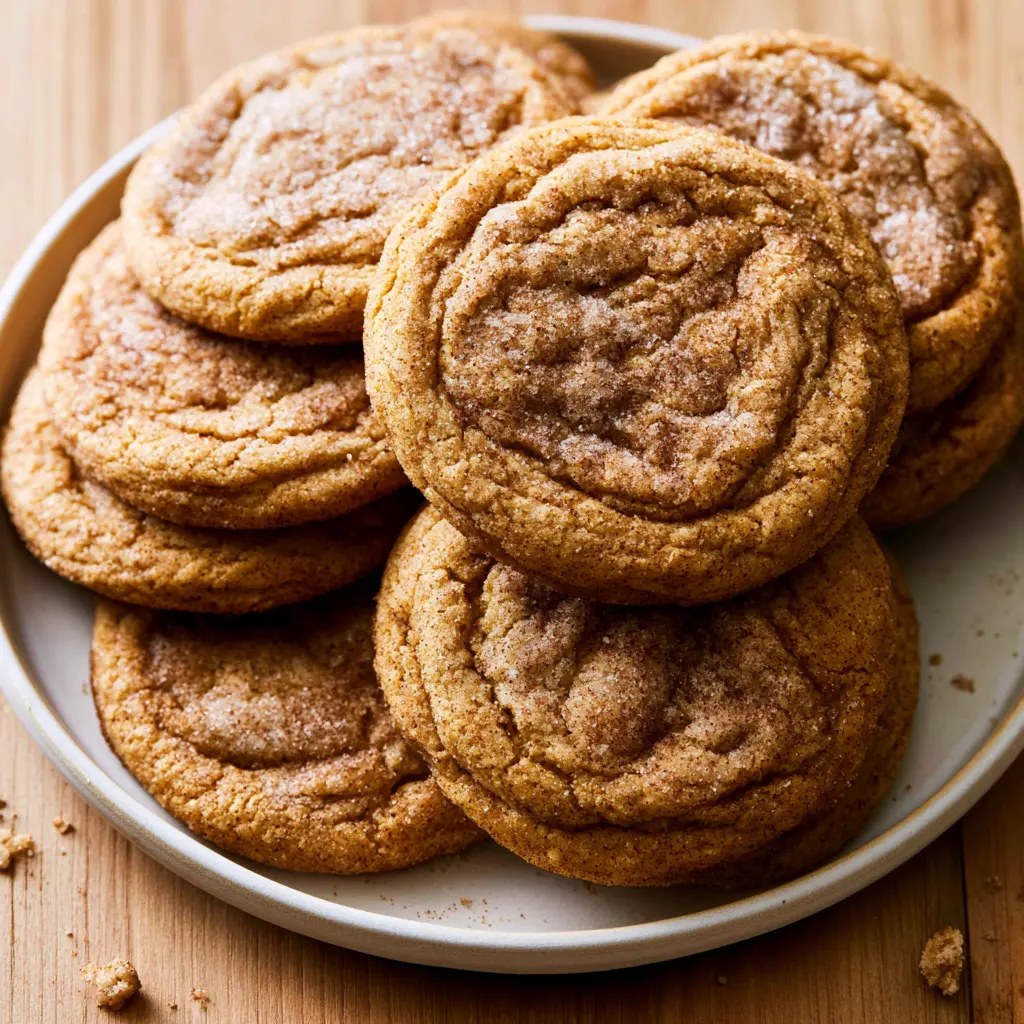
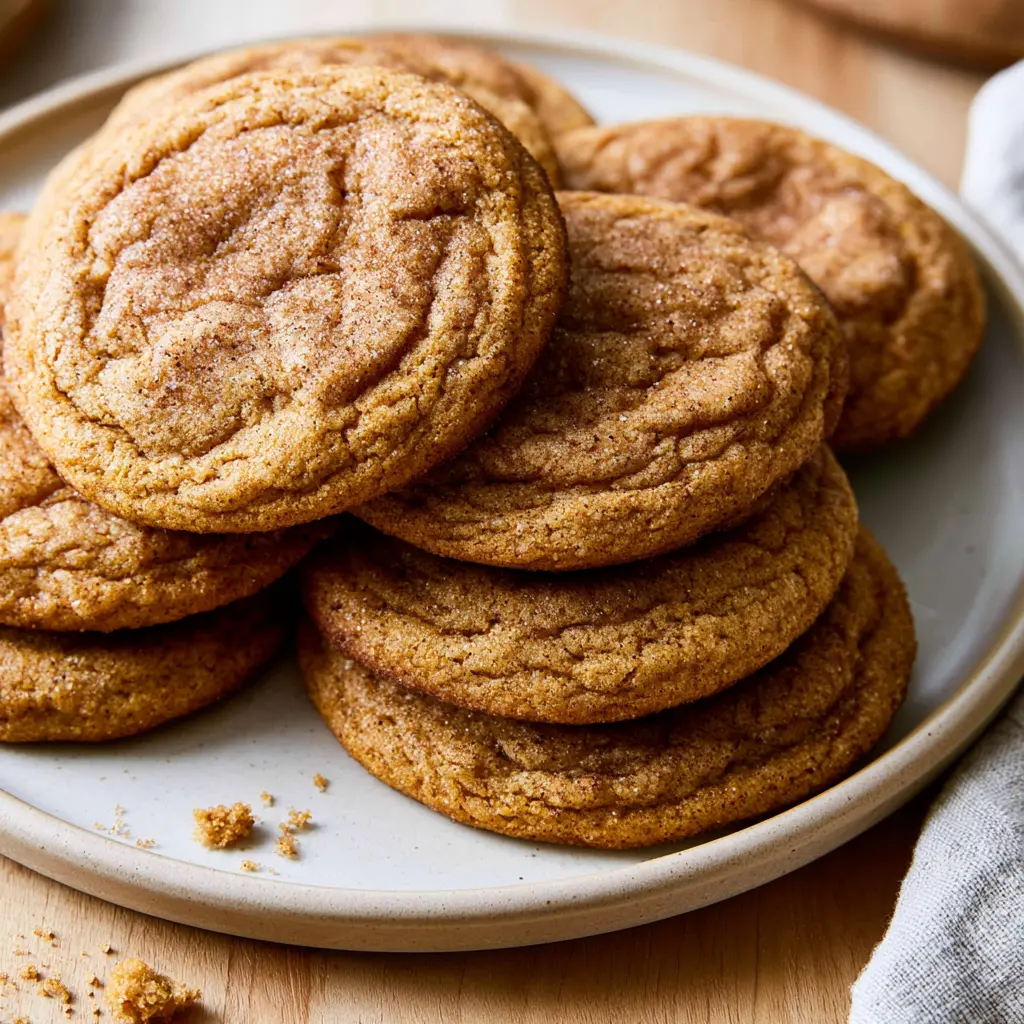
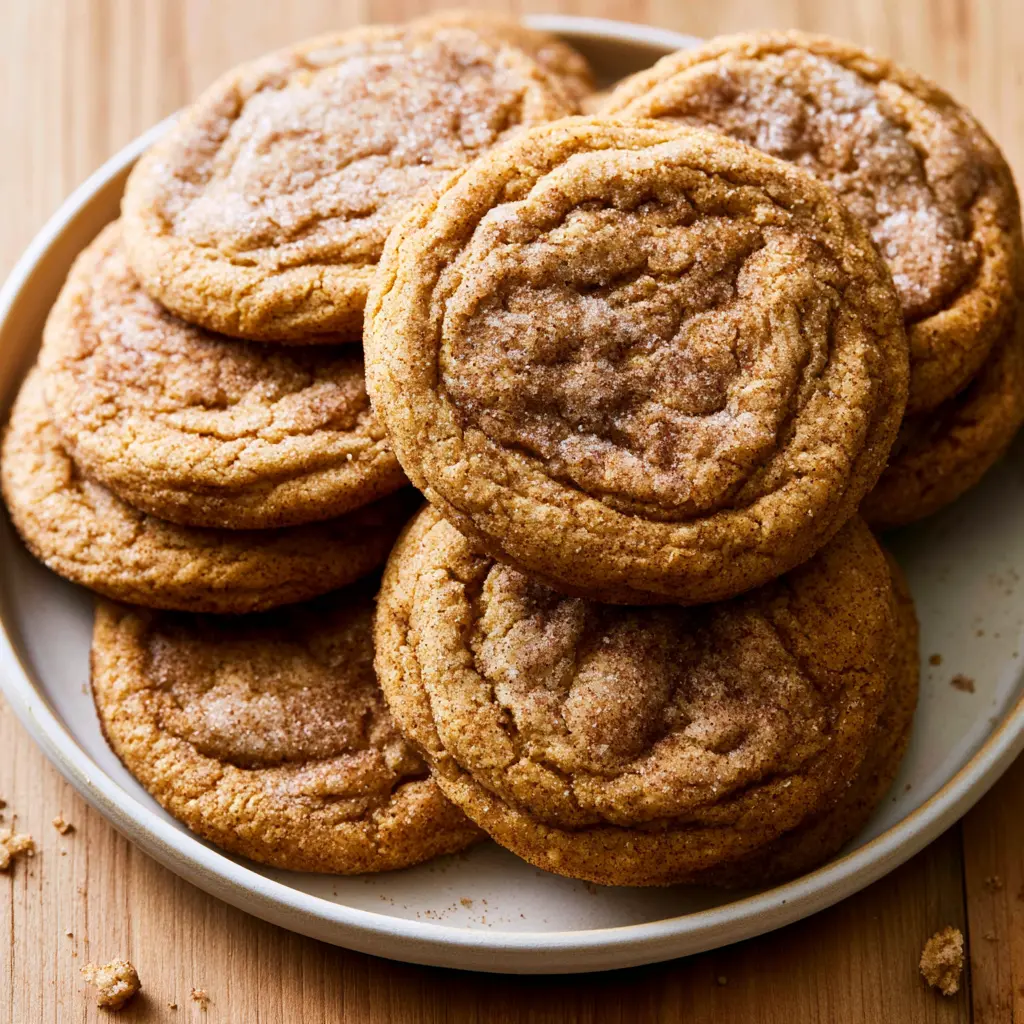
These brown butter pumpkin snickerdoodle cookies hit three things at once. The brown butter brings a caramelized warmth you can’t fake. The pumpkin keeps the centers soft without turning them cakey. And the cinnamon sugar coating cracks into a shattery little shell over a tender middle.
- Chewy, not cakey. Blotting the pumpkin puree removes excess moisture, so you get a dense, soft crumb instead of a muffin top.
- Brown butter depth. Toasting the butter doubles its flavor. Nutty, warm, almost like toasted hazelnuts.
- One bowl, no mixer. A whisk and a spatula do all the work.
- Crackly tops. Cream of tartar gives snickerdoodles their signature texture, and the sugar coating bakes into a crisp, craggly shell.
Ingredient Notes & Substitutions
The list for these brown butter pumpkin snickerdoodle cookies is short, mostly pantry staples. But a few items deserve attention.
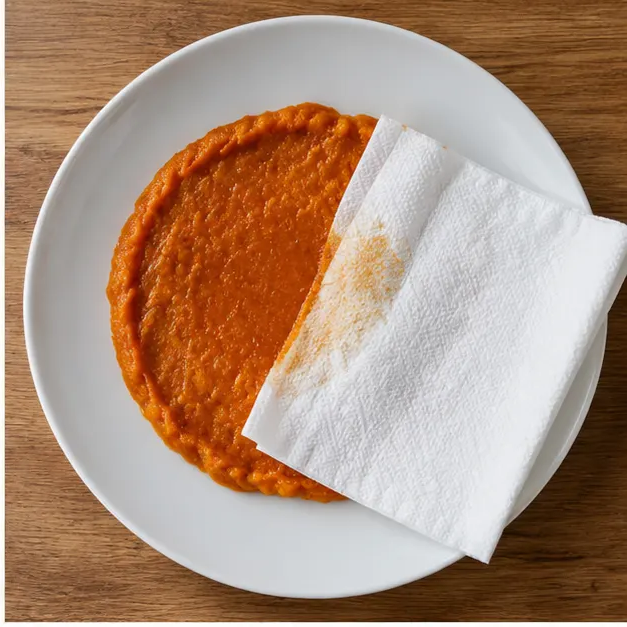
Pumpkin puree. Canned, not pumpkin pie filling. And not the watery brands. You’ll spread it on a plate and press paper towels into it until it looks like soft playdough. This step matters more than any other.
Unsalted butter. You’re browning a full cup, so use good butter. If all you have is salted, scale back the fine sea salt a touch.
Cream of tartar. The quiet hero. It gives the cookies a subtle tang and helps the cinnamon sugar crack as they bake.
Dark brown sugar. More molasses means more chew. Light brown works in a pinch, but dark gives that soft, bakery-style bite.
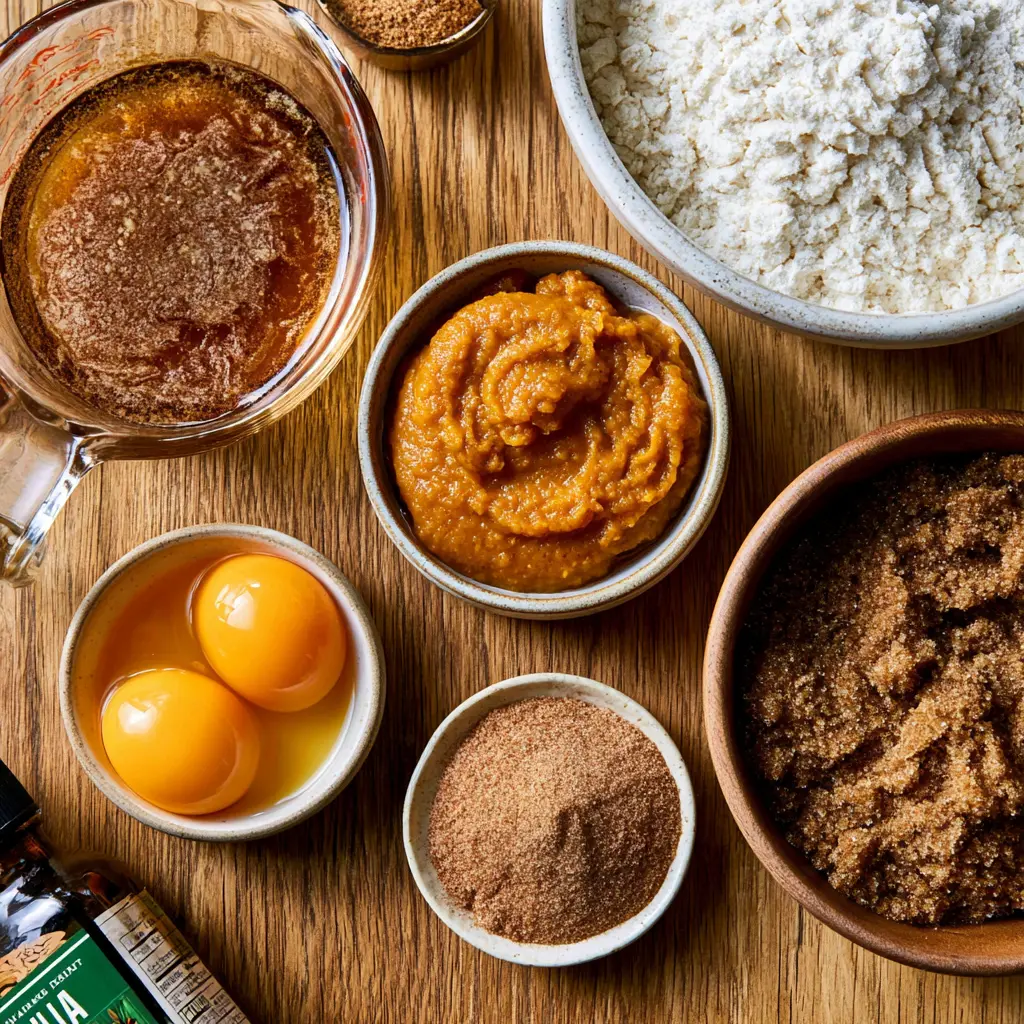
Substitutions are easy. Vanilla bean paste can replace vanilla extract at the same amount. And if you’re out of pumpkin pie spice, whisk together a small homemade batch using cinnamon, ginger, nutmeg, and allspice. Keep the total at 1 1/2 teaspoons.
How to Brown Butter, Without Burning It
If you’ve never browned butter, you’re probably picturing the moment you ruin it. I did too. Here’s the truth: it’s forgiving if you stay close.
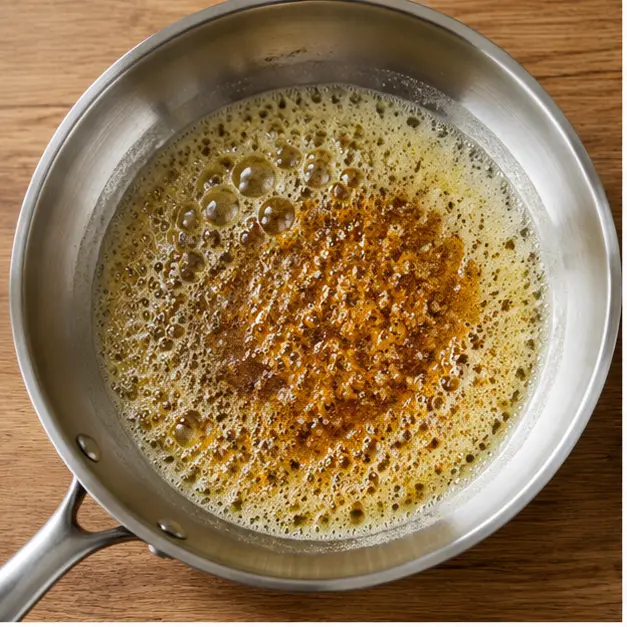
Melt the butter in a heavy stainless steel skillet over medium heat. It will froth, crackle, and sputter. That’s normal. Stir it regularly and watch the bottom of the pan.
The milk solids will turn golden brown, and the butter will smell nutty and toasty. That’s your cue. Pull it off the heat, pour it into a glass measuring cup, and leave the sediment behind. You want just under 1 cup (184 grams) of liquid gold.
Then comes the part people skip: cooling. Refrigerate the butter and stir every 20 minutes until it reads 70 to 75°F on an instant-read thermometer. Cool but still liquid. This step is what keeps these brown butter pumpkin snickerdoodle cookies thick instead of flat.
How to Make Brown Butter Pumpkin Snickerdoodles
The full recipe is in the card below, but let me walk you through the four stages that matter most. Get these right and you’ll nail the texture on the very first batch.
Stage 1: Brown and cool the butter. A full cup takes about 8 to 10 minutes over medium heat. The color shift happens fast at the end, so don’t wander off. You want liquid amber and that toasted-nut aroma. Cool it properly. This is the foundation of the whole bake, and the brown butter technique is easier than you think.
Stage 2: Dry the pumpkin puree. Spread 2/3 cup of puree on a dinner plate in a thin layer. Press a paper towel gently into it, then repeat with a fresh towel until the puree looks like soft playdough. You’ll end up with about 1/3 cup (68 to 75 grams). This is the trick that keeps chewy pumpkin cookies from going cakey.
Stage 3: Mix the dough. Whisk the cooled brown butter with both sugars for a full minute. The mixture looks like wet sand, and that’s exactly right. Whisk in the egg yolks, vanilla extract, and dried pumpkin until smooth. Fold in the flour, pumpkin pie spice, fine sea salt, cream of tartar, and baking soda with a spatula. Stop when no dry spots remain. Chill the dough for 5 minutes, longer if your kitchen is warm.
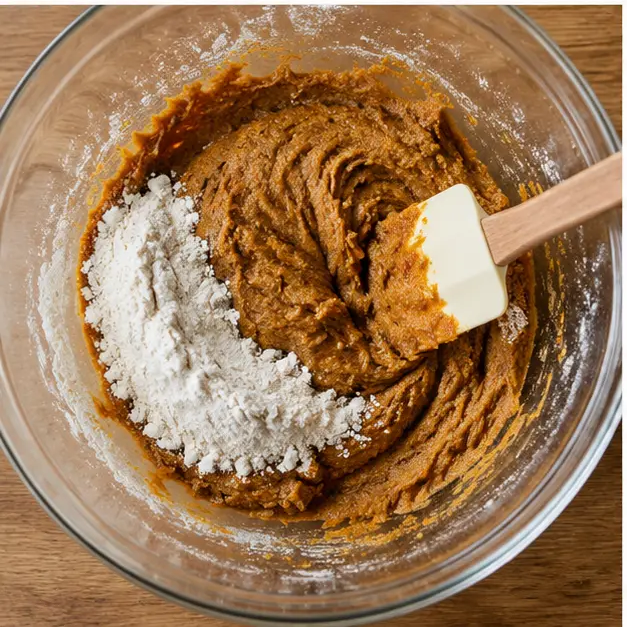
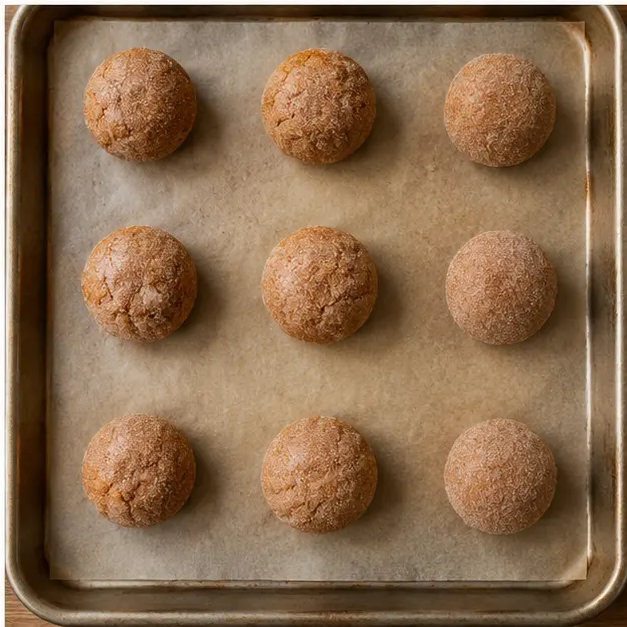
Stage 4: Roll, coat, and bake. Use a 3-tablespoon cookie scoop for thick, bakery-style cookies. Roll each ball in the cinnamon sugar mixture and arrange them 2 to 3 inches apart on parchment paper. Bake one sheet at a time at 350°F for 10 to 12 minutes. Pull them when the edges are golden brown and the centers are puffy and just barely set.
Recipe Tips for Success
Most baking problems are preventable. Here’s the short list of what goes wrong with these brown butter pumpkin snickerdoodle cookies, and how to fix it.
❌ Skipping the pumpkin blotting. Your cookies turn out gummy and cakey.
✅ Blot until the puree looks like playdough. Two minutes of effort changes everything.
❌ Using warm brown butter. Your cookies spread flat like pancakes.
✅ Cool it to 70 to 75°F. In hot kitchens, give the dough a longer chill too.
❌ Scooping flour straight from the bag. You pack in too much and get dry cookies.
✅ Spoon and level, or weigh it. You need 1 2/3 cups plus 1 tablespoon.
Don’t Panic If…
Your cookies barely spread: The butter was on the cooler side. They’ll bake up thick and soft, just rounder. That’s a win.
The coating cracks while baking: That’s exactly what should happen. Crackly snickerdoodle tops are the goal.
The dough feels crumbly: Mix in 1 to 2 tablespoons of extra pumpkin until it comes together. Just don’t over-blot next time.
Variations & Add-Ins
These homemade fall cookies are excellent as written, but they don’t mind a little company.
- Chocolate chips: Fold in up to 1 cup of semisweet chips at the end. The chocolate mellows the spice beautifully.
- Smaller cookies: Use a 2-tablespoon scoop and bake for about 9 minutes. Watch the edges, not the clock.
- Light brown sugar: Works fine if that’s what’s in your pantry. Dark brown just adds a deeper chew.
- Vanilla bean paste: Swap it 1:1 for vanilla extract if you want those little specks in every bite.
Storage & Make-Ahead
These soft baked cookies stay good for days. Keep them in an airtight container at room temperature for 2 to 3 days. If they last that long, you’re stronger than me.
For make-ahead dough, scoop the balls and refrigerate for up to 24 hours. Let them sit at room temperature for 10 minutes before rolling in cinnamon sugar and baking.
Freezing works great too. Form the dough into balls, freeze them solid on a sheet pan, then transfer to a freezer bag. Thaw before rolling in the cinnamon sugar mixture and baking. Perfect for holiday baking marathons.
Bake Your Way Into Fall
When you bake these, your house will smell like the coziest day of autumn. Nutty brown butter, cinnamon sugar, soft pumpkin warmth. It’s the kind of smell that pulls people into the kitchen with questions.
The first official day of fall is just around the corner, but these cookies don’t care about the calendar. Neither should you. One bite of these brown butter pumpkin snickerdoodle cookies and you’ll be saying broke da mouth. This is the cookie that starts your fall season right. Go make your kitchen smell amazing.
Tag me when you make them, I want to see those crackly tops. And if you’re hunting for more fall baking recipes, come find me on Pinterest. I’ve got a whole board of autumn dessert ideas waiting for you.
Brown Butter Pumpkin Snickerdoodle Cookies
Ingredients
Method
- In a heavy stainless steel skillet, melt the butter over medium heat. It will froth, crackle, and sputter, which is perfectly normal. Stay close and stir it regularly to prevent scorching. Once the milk solids on the bottom turn golden brown and the butter smells nutty and toasty, take the pan off the stovetop.
- Pour the browned butter into a glass liquid measuring cup, leaving any sediment behind; you should have just under 1 cup (184 grams). Let it cool in the refrigerator, stirring every 20 minutes, until an instant-read thermometer shows 70 to 75°F. The butter should feel cool and still be liquid.
- Position the oven racks in the upper and lower thirds and preheat the oven to 350°F. Line two baking sheets with parchment paper.
- Spread the pumpkin puree on a dinner plate in a thin layer. Press a paper towel gently into it to absorb excess moisture. Scrape the puree into a mound, spread it thin again, and blot with a fresh paper towel. Repeat until the puree looks like soft playdough and measures about 1/3 cup (68 to 75 grams).
- Add the cooled browned butter to a large mixing bowl. Whisk in the granulated sugar and brown sugar for 1 full minute; the mixture will look like wet sand.
- Whisk in the egg yolks, vanilla, and the dried pumpkin puree until the mixture is smooth.
- Fold in the flour, pumpkin pie spice, fine sea salt, cream of tartar, and baking soda with a spatula until just combined and no dry spots remain. Refrigerate the dough for 5 minutes to firm it up; chill longer if the dough is very soft.
- In a small shallow bowl, whisk the cinnamon and the remaining 1/3 cup granulated sugar together. Using a 3-tablespoon scoop, portion out the dough and roll each ball in the cinnamon sugar. Arrange the balls 2 to 3 inches apart on the prepared baking sheets.
- Bake the cookies in batches, one sheet at a time, for 10 to 12 minutes, until the edges are golden brown and the centers are puffy and just barely set. Let the baking sheet sit on a wire rack until completely cool.
- Store any leftover cookies in an airtight container at room temperature for 2 to 3 days. To freeze, form the dough into balls and freeze them solid, then transfer to a freezer bag. Before baking frozen dough balls, let them come to room temperature, roll in cinnamon sugar if not already coated, and proceed with the recipe.
Nutrition
Notes
Tried this recipe?
Let us know how it was!Recipe FAQ
Expert Notes & Data Insights
I’ve baked these brown butter pumpkin snickerdoodle cookies more times than I can count, jotting notes between batches. This is the nerdy part the numbers, the science, the little observations that separate a good cookie from one people ask about.
The Science Behind a Soft, Chewy Crumb
Brown butter is concentrated flavor. When butter heats, the water evaporates and the milk solids toast to a deep amber. Start with 1 cup and you’ll end up with just under 1 cup of liquid gold. That reduction means less water in the dough, and less water means less steam in the oven. Less steam means cookies that bake dense and chewy instead of tall and cakey.
The pumpkin blot is a moisture calculation. Excess water in the puree turns to steam inside the baking cookie, puffing it up into a cakey texture. Blotting 2/3 cup of puree down to about 1/3 cup removes that water and concentrates the pumpkin flavor at the same time. It takes two minutes and completely changes the final cookie.
Egg yolks and cream of tartar are the texture team. Egg yolks bring richness and fat without the watery protein of egg whites. Cream of tartar is the acid that activates the baking soda, gives the cookies lift, and helps the cinnamon sugar coating crack into that signature craggy top.
Numbers Worth Writing Down
- Brown butter yield: 1 cup (226 g) butter → just under 1 cup (184 g) browned butter
- Pumpkin after blotting: 2/3 cup → about 1/3 cup (68 to 75 g)
- Flour: 1 2/3 cups plus 1 tablespoon (about 220 g, spooned and leveled)
- Bake time: 10 to 12 minutes at 350°F, one tray at a time on the center rack
Pumpkin brand note: Not all canned pumpkins are created equal. I’ve found Libby’s to be consistently thicker and lower in moisture than many store brands. If you’re using a generic brand, you may need an extra paper towel pass or two when blotting.
Doneness Cues That Don’t Lie
The timer is a suggestion. Your eyes are the truth. Pull the cookies when the edges are golden brown and the centers look puffy, soft, and just barely set. They’ll keep baking on the hot sheet pan as they cool carryover cooking is real. That’s exactly what gives you a crackly shell with a tender middle.
And here’s my number one hidden baking tip: your oven is probably lying to you. If cookies consistently brown too fast or take too long, buy an oven thermometer. Mine runs 25 degrees hot, and figuring that out fixed a year’s worth of randomly overbaked cookies overnight.
You don’t need fancy equipment for these brown butter pumpkin snickerdoodle cookies. A heavy skillet for the brown butter, a whisk, a spatula, and a 3-tablespoon scoop. No mixer, no specialized pans. Just patience with the butter, a light hand with the flour, and trust in the crackle.
I’ve done the testing so you don’t have to. Brown the butter, dry the pumpkin, roll generously in cinnamon sugar, and pull the tray when the edges look golden. The recipe card handles the rest.
These are the cookies I bring to fall gatherings and holiday swaps, and they never make it home. In my house, they’re officially broke da mouth cookies one bite and you can’t talk because your mouth is full and you’re already reaching for another. That’s the highest compliment a cookie can get. Bake a batch and see for yourself, then tag me when those crackly tops come out of the oven.