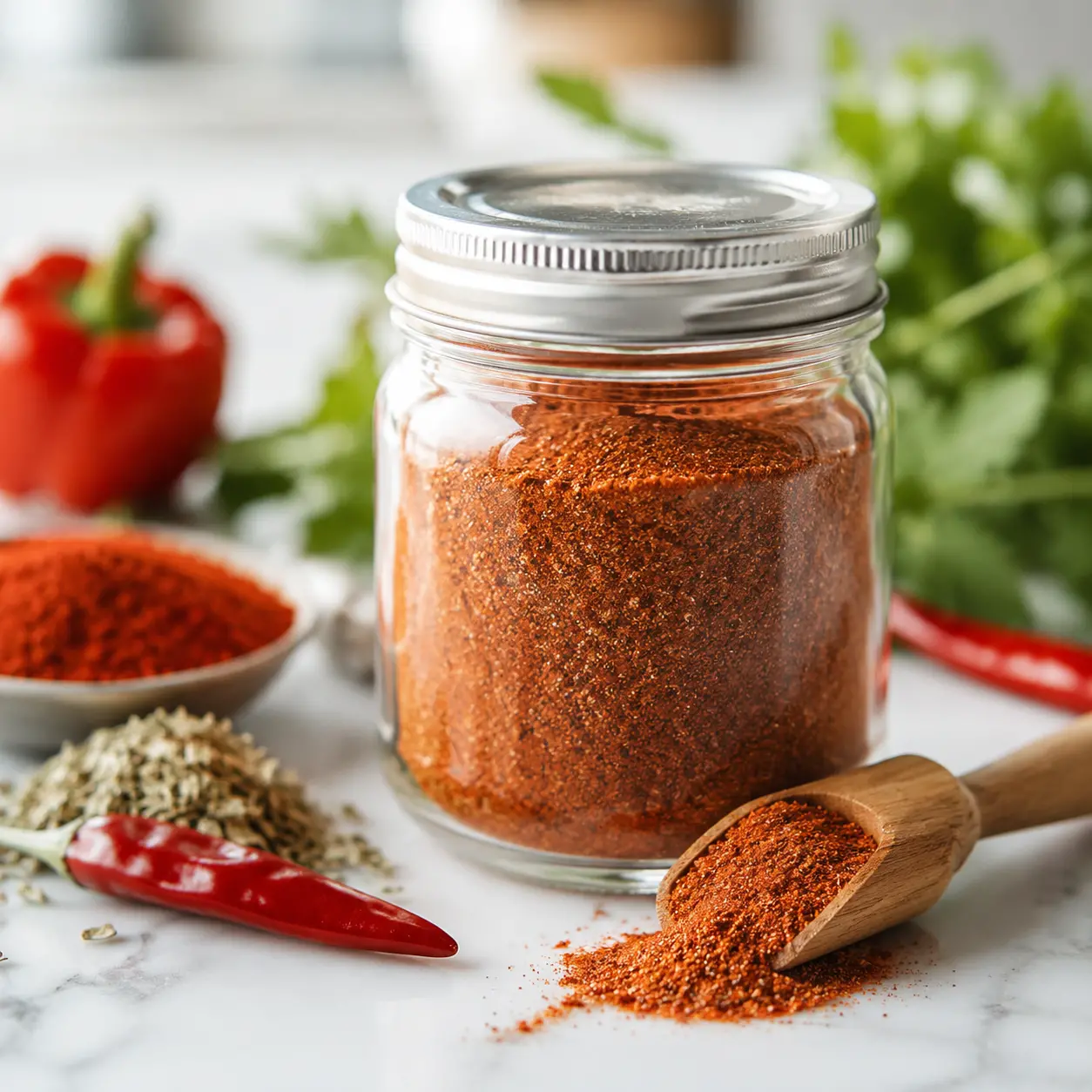
What Is Cajun Seasoning?
Let me set the scene. It’s a Tuesday night in August, you’re about to fire up the grill for some chicken, and you reach for that sad little store-bought shaker of cajun seasoning. You sprinkle it on, hopeful. Then you taste it. Bland. Dusty. Mostly salt with a vague hint of something spicy that gave up months ago.
I’ve been there more times than I care to admit. So a few years back, I started making my own homemade cajun seasoning, and here’s the thing: I’ve never bought another jar since. This blend takes five minutes, uses spices you probably already own, and honestly, it tastes like it came out of a Louisiana kitchen.
Cajun seasoning is a bold, brick-red spice blend built on smoked paprika, garlic powder, and cayenne pepper. It’s earthy, a little smoky, and just spicy enough to make you sit up and pay attention. Not sweet, not fiery, but that warm, savory kick that makes you want to cook everything in it.
Cajun Seasoning vs. Creole Seasoning
Before we get into the nitty-gritty, let’s clear up a mix-up that trips up a lot of home cooks. What’s the actual difference between Cajun and Creole seasoning?
Creole seasoning is the urban cousin. It shares the same spice family, but it leans harder on herbs like oregano and thyme, and it usually has a bit more black pepper for brightness. This homemade cajun seasoning sits right in the middle, which honestly makes it perfect for everything from gumbo to grilled shrimp.
If you want to nudge it closer to Creole, just stir in an extra teaspoon of freshly ground black pepper. That’s the simplest swap, and trust me, it works beautifully in jambalaya.
Cajun Seasoning Ingredients
Here’s the beauty of this blend: there’s nothing weird in it. No anti-caking agents, no mysterious “natural flavors,” no fillers. Just nine pantry staples doing exactly what they’re supposed to do.
- Smoked paprika: the backbone. It gives that deep brick-red color and a subtle smokiness that store-bought blends always skimp on.
- Fine kosher salt: the flavor carrier. It makes everything else pop.
- Garlic powder: savory, pungent, absolutely non-negotiable.
- Freshly ground black pepper: sharp and a little floral.
- Ground white pepper: the secret weapon. It adds a gentle, earthy heat you can’t quite name, but you’d miss it if it were gone.
- Onion powder: sweet and savory, rounding out the garlic.
- Dried oregano: that grassy, almost piney note that screams Louisiana.
- Cayenne pepper: the heat. Start with the full amount, or dial it back.
- Dried thyme: lemony and earthy. Rub it between your fingers before measuring to wake up the oils.
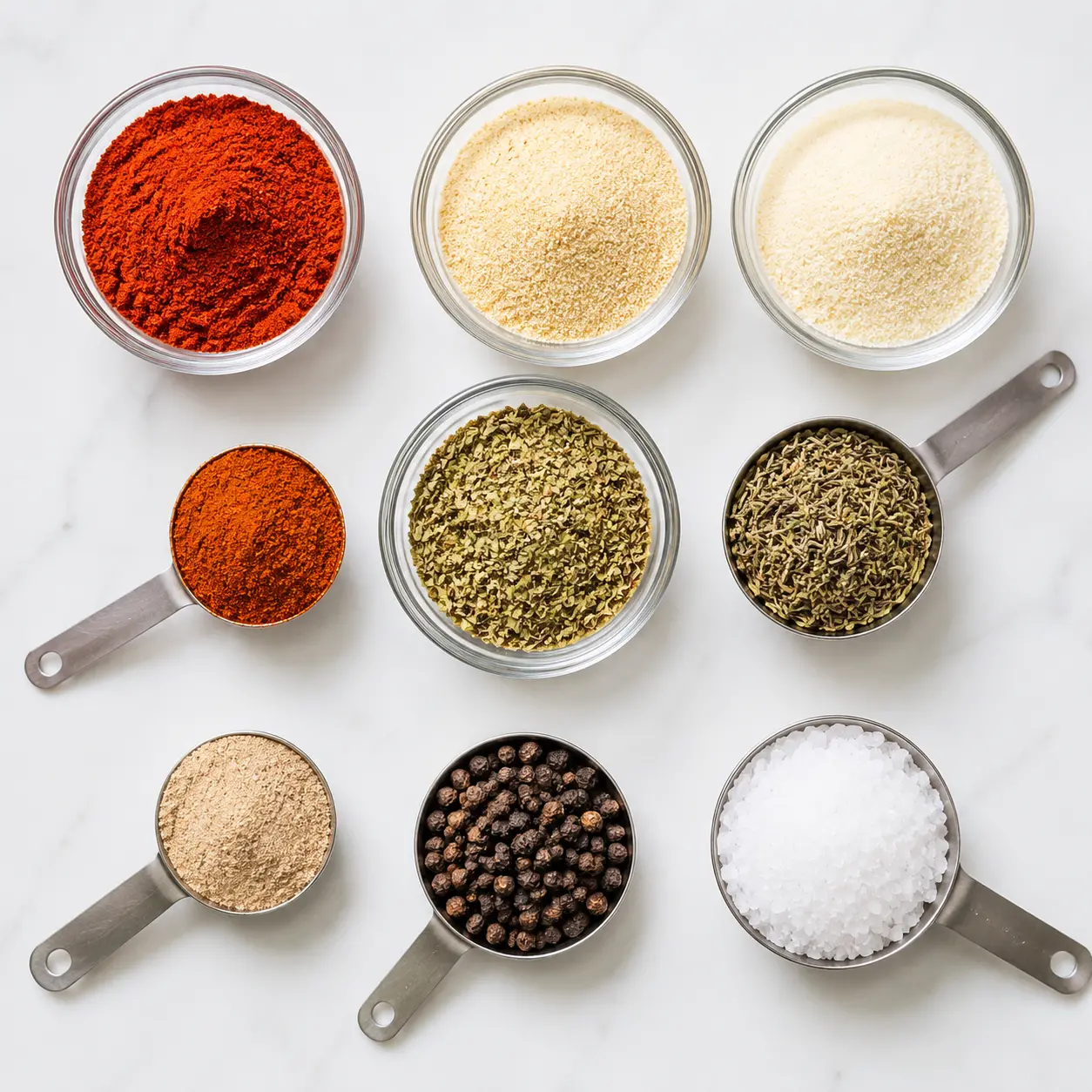
See what I mean? Every spice has a job. The smoked paprika carries the color and depth, the garlic and onion build the savory base, and the cayenne brings the heat. When it all comes together, the first whiff is pure magic. That warm, smoky bloom when it hits hot oil? Chef’s kiss.
How to Make Cajun Seasoning
I’m not exaggerating when I say this takes five minutes. Maybe four if you move fast. The whole process is just measuring, mixing, and tasting. Here’s how it breaks down.
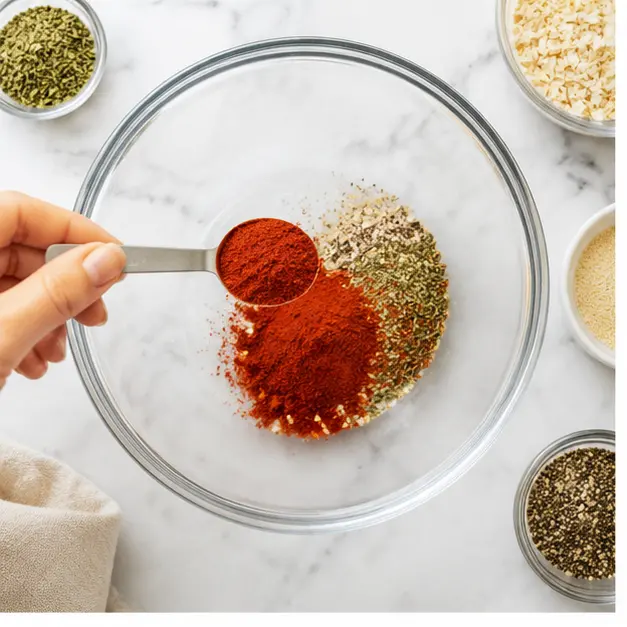
Stage 1: Measure and Prep Your Spices
Grab a small mixing bowl and your measuring spoons. If your dried oregano and thyme have been camped out in the back of your pantry since last election, pause right there. Old spices are the number one reason homemade spice blends taste flat. Give them a quick sniff test. They should smell fragrant and lively, not dusty and sad.
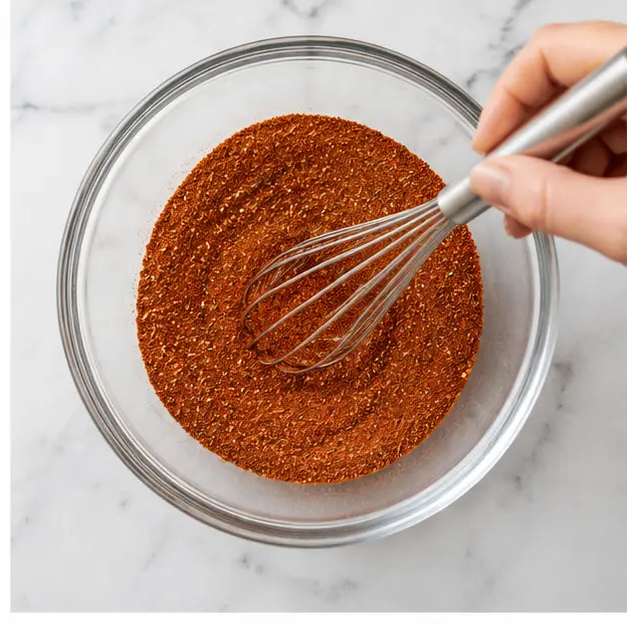
Stage 2: Whisk Until No Streaks Remain
Add everything to the bowl and whisk it thoroughly. I mean really get in there. You want a uniform brick-red blend with no streaks of pale salt or clumps of oregano. This is also the moment to check the texture. It should feel fine and powdery, with the herbs evenly distributed throughout. This recipe yields about 3/4 cup of seasoning, which is plenty for a month of serious cooking.
Stage 3: Taste and Adjust
Here’s where you get to play chef. Dip a clean spoon in and taste it. Too mild? Add a pinch more cayenne pepper. Too salty? That’s what happens when you skip the tasting step and just trust the recipe blindly. Remember, your kitchen, your rules. This is your homemade cajun seasoning, so make it taste like you.
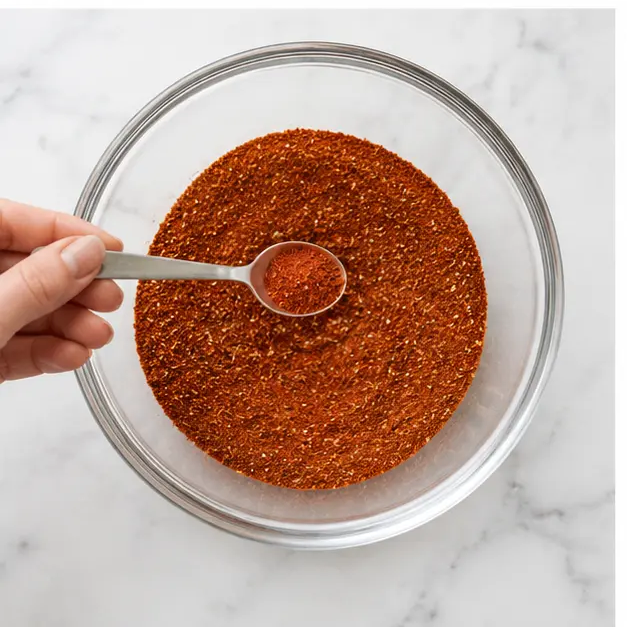
Stage 4: Jar It Up
Transfer the blend to an airtight container or an old spice jar with a tight lid. Label it with the date, because future you will absolutely not remember when you made it. Then step back and admire your work. That deep red color, that heady aroma of garlic and smoked paprika. You just made a kitchen staple that’s going to upgrade every meal this week.
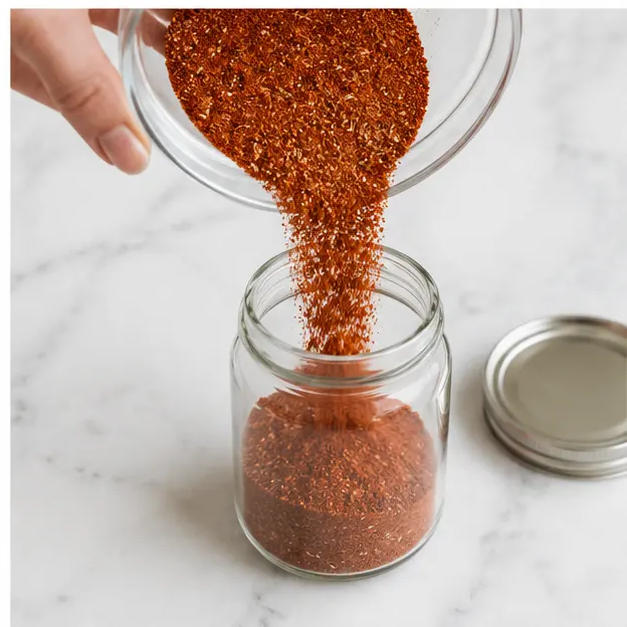
Cajun Seasoning Variations
This recipe is a starting point, not a prison. Here’s how I customize it, depending on who’s coming to dinner.
- Mild version: cut the cayenne to 1/4 teaspoon or skip it entirely. Perfect for kids.
- Extra spicy: bump the cayenne up past a full tablespoon, or add crushed red pepper flakes for a different kind of burn.
- Low sodium: cut the salt to 1 tablespoon and lean on extra herbs for flavor.
- Salt-free: leave the salt out completely and season your meat separately with about 3/4 teaspoon kosher salt per pound.
- Creole lean: add 1 teaspoon more black pepper.
And if you don’t have dried thyme on hand? Swap in extra oregano. That’s the great thing about a spice blend. It forgives. A homemade cajun seasoning should work with what you’ve got, not demand a grocery run.
How to Use Cajun Seasoning
Okay, so you’ve made a beautiful jar of this stuff. Now what? The short answer is: everything. But let’s get specific.
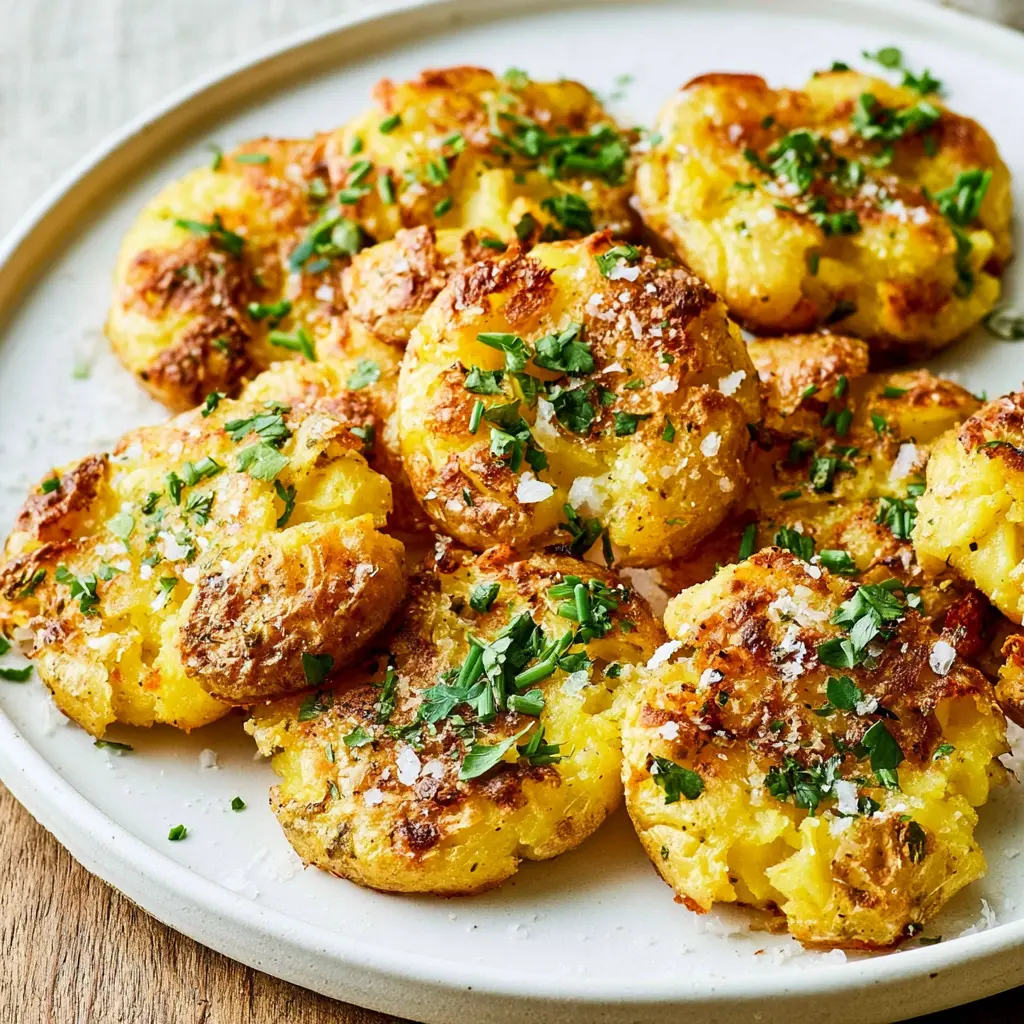
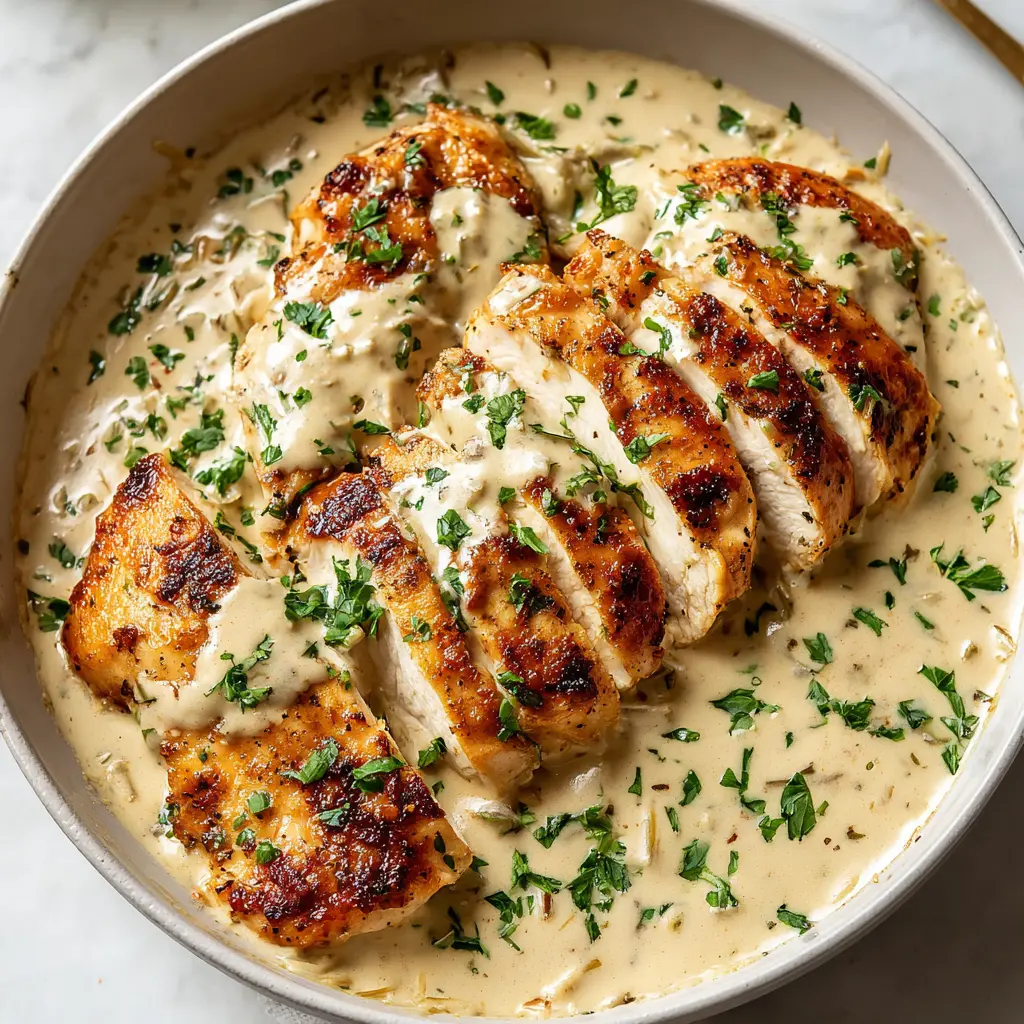
As a general rule, use 1 to 2 tablespoons of cajun seasoning per pound of protein. Rub it into chicken before grilling, coat shrimp or fish fillets for a quick sear, or toss it with potatoes before roasting.
- Grilled chicken or shrimp: the summer classic. Rub, rest for 15 minutes, grill.
- Gumbo or jambalaya: stir a couple of tablespoons into the pot for instant depth.
- Roasted vegetables: toss with oil and a generous sprinkle, then roast until charred at the edges.
- Cajun hashbrowns: toss shredded potatoes with oil and a tablespoon of this blend, then bake until crispy.
- Rice and grains: add a teaspoon to the cooking water for boldly flavored rice.
- Eggs: scrambled eggs with a pinch of this? Breakfast solved.
- Dips: stirred into sour cream or cream cheese, it becomes a party dip.
With Labor Day just a couple weeks away, this is the perfect moment to batch-make a jar. It’s also a smart back-to-school play: weeknight dinners come together way faster when your seasoning is already blended and waiting. And since it’s summer, you can skip the oven entirely and let the grill do the work.
Tips for Making the Best Cajun Seasoning
I’ve made this blend more times than I can count, and I’ve messed it up in every possible way. My first attempt was a dusty disaster because I used spices that were older than my blender. Learn from me.
Use the freshest spices you can find. If your spices are over a year old, replace them. Old paprika tastes like nothing. Fresh smoked paprika? It’s a whole different universe.
Toast whole herbs for extra aroma. This is optional, but if you toast the dried oregano and thyme in a dry skillet for about 30 seconds before mixing, the fragrance becomes absolutely unreal.
Shake the jar before each use. Spices settle as they sit, so a quick shake redistributes everything for consistent flavor every time.
Common Mistakes and Fixes
❌ Mistake: Using a non-airtight container, which causes clumping.
✅ Fix: Use a jar with a tight seal and keep it away from steam.
❌ Mistake: Substituting ground herbs for dried without reducing the amount.
✅ Fix: Ground oregano and thyme are more concentrated, so use about half the amount.
❌ Mistake: Adding too much salt.
✅ Fix: Start with less and adjust. You can always add more, but you can’t take it out.
❌ Mistake: Using old spices that have lost their punch.
✅ Fix: Sniff test everything before you measure.
❌ Mistake: Not adjusting the cayenne to your heat preference.
✅ Fix: Start mild, taste, and add heat gradually.
Storing Homemade Cajun Seasoning
Here’s the thing about homemade spice blends: they’re not immortal. This cajun seasoning will keep for up to 12 months in an airtight container, stored in a cool, dark spot like your spice cabinet. But flavor fades over time, so I recommend making a fresh batch every six months for peak potency.
Keep it away from steam and moisture. Don’t shake the jar directly over a boiling pot, because moisture gets in and causes clumping. Instead, spoon out what you need and seal the jar right away. And whatever you do, label it, otherwise you’ll find an unmarked red powder in your pantry in March and play a very stressful guessing game.
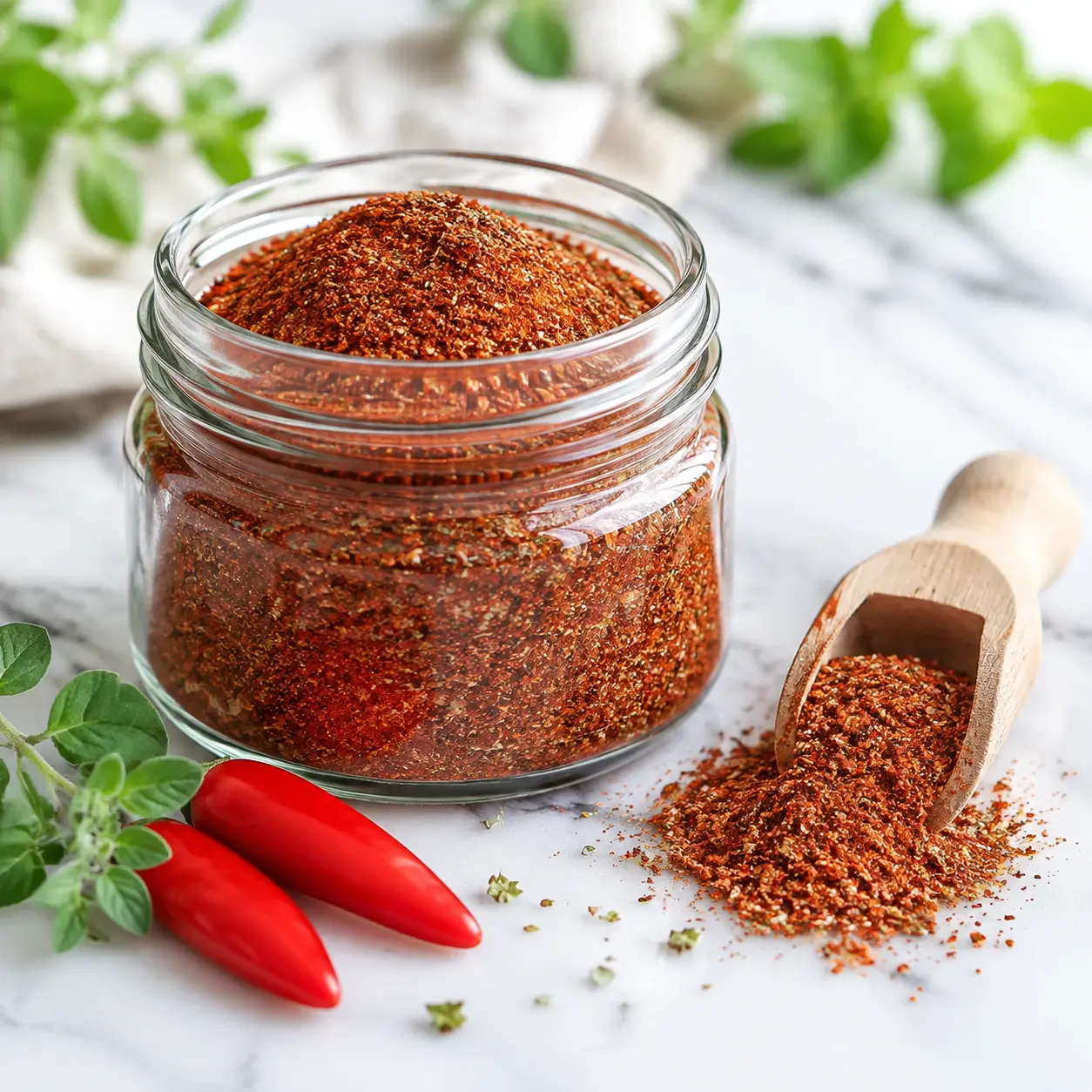
Oh, and one more thing. This blend is naturally gluten-free, which makes it a fantastic staple for anyone avoiding gluten. No hidden ingredients, no mystery fillers, just pure spice flavor.
The Bottom Line
Honestly, the only thing I regret about switching to homemade cajun seasoning is that I didn’t do it sooner. It’s cheaper than any store-bought jar, it tastes fresher, and it takes less time than waiting for your oven to preheat. Five minutes of measuring, and you’ve got a jar of pure flavor insurance sitting in your pantry.
Batch-make a double batch for Labor Day weekend, keep a jar handy for weeknight dinners, and get ready for the compliments. When someone asks for your secret, you can just smile and say, “Oh, it’s just my homemade cajun seasoning.” Feels pretty good, right?
If you make this, come back and tell me how it turned out. And if you’re hunting for more easy meal ideas, follow me on Pinterest for weeknight dinners, seasoning hacks, and everything in between.
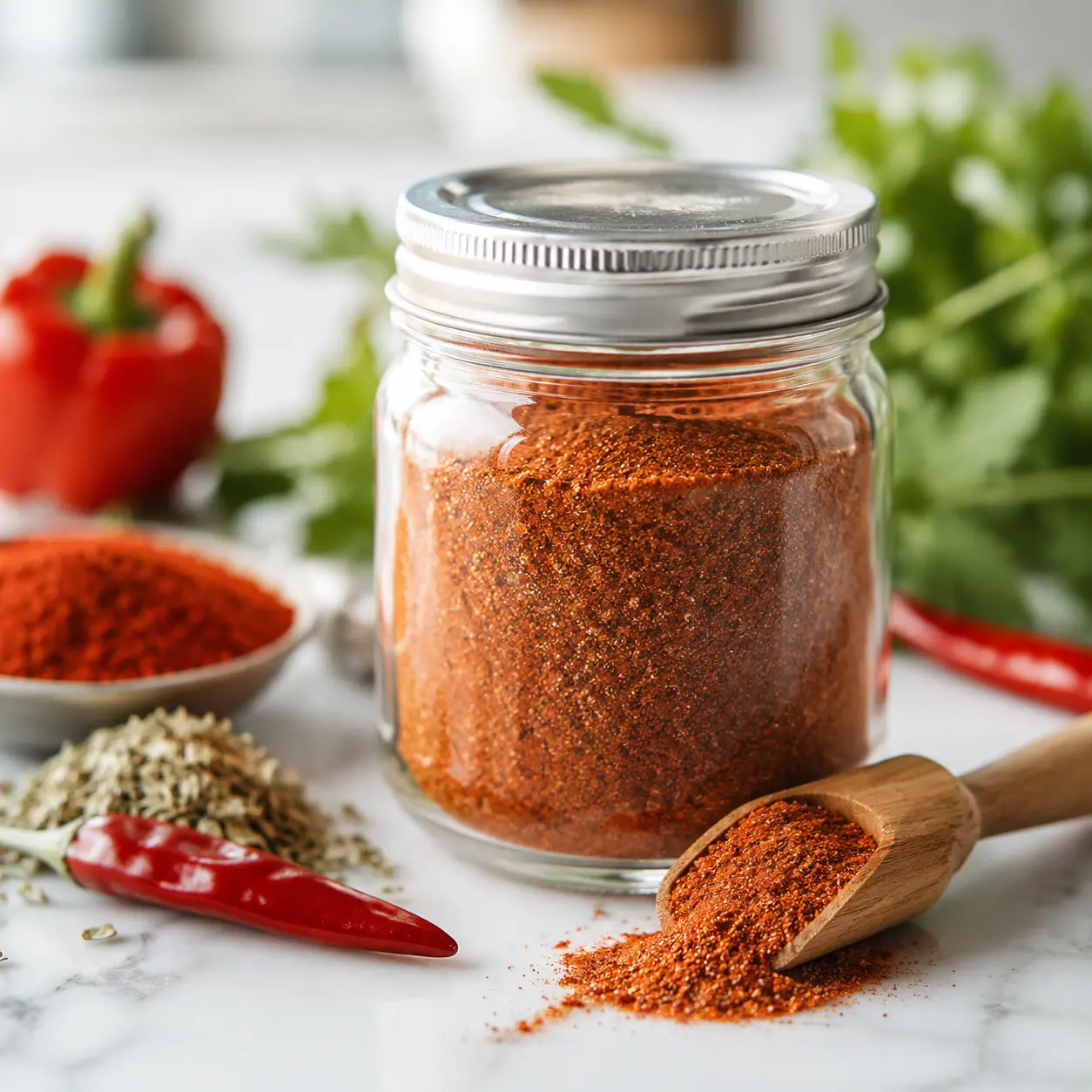
Homemade Cajun Seasoning Blend
Ingredients
Method
- Combine all the spices in a small mixing bowl; whisk or stir thoroughly until no streaks remain.
- Transfer to an airtight container or directly to a spice jar. Use right away or store for up to a year.
Nutrition
Notes
Tried this recipe?
Let us know how it was!Cajun Seasoning FAQ
Source: Learn More About This Dish