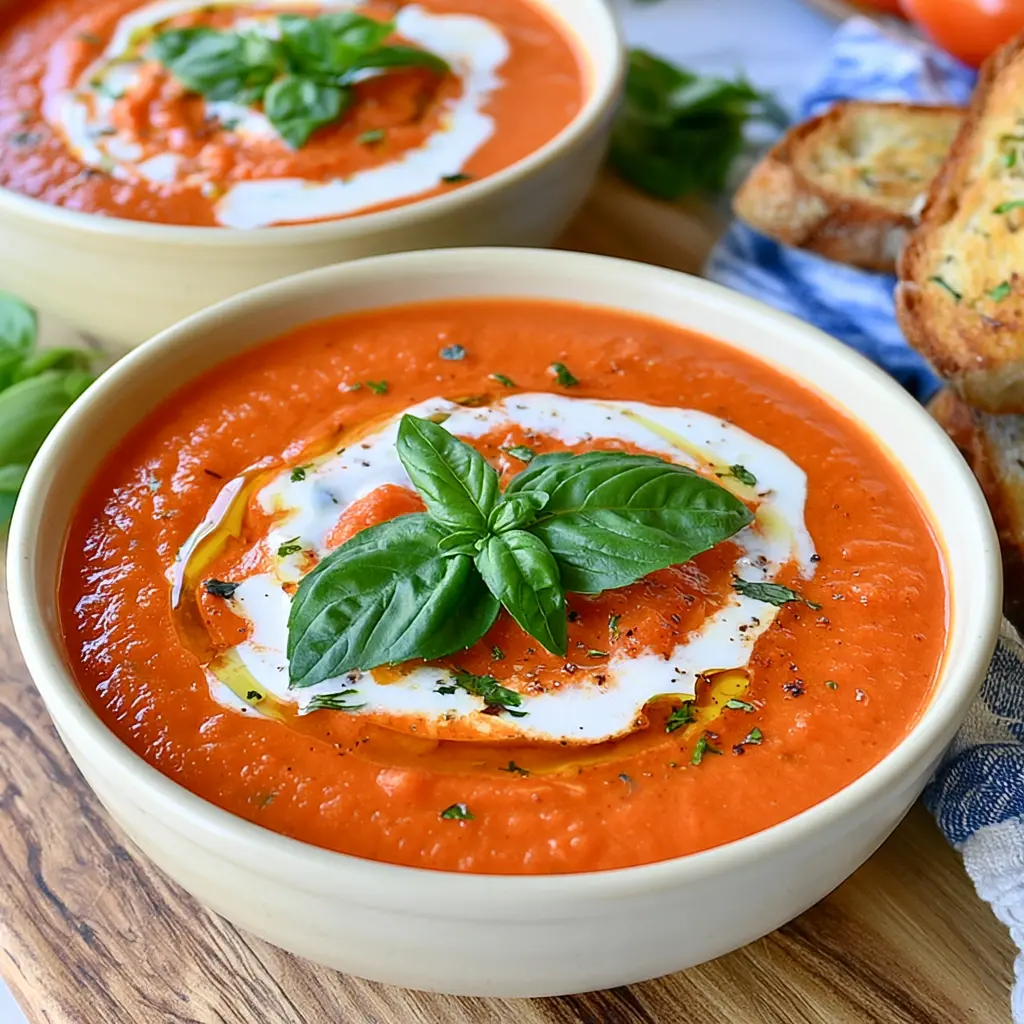
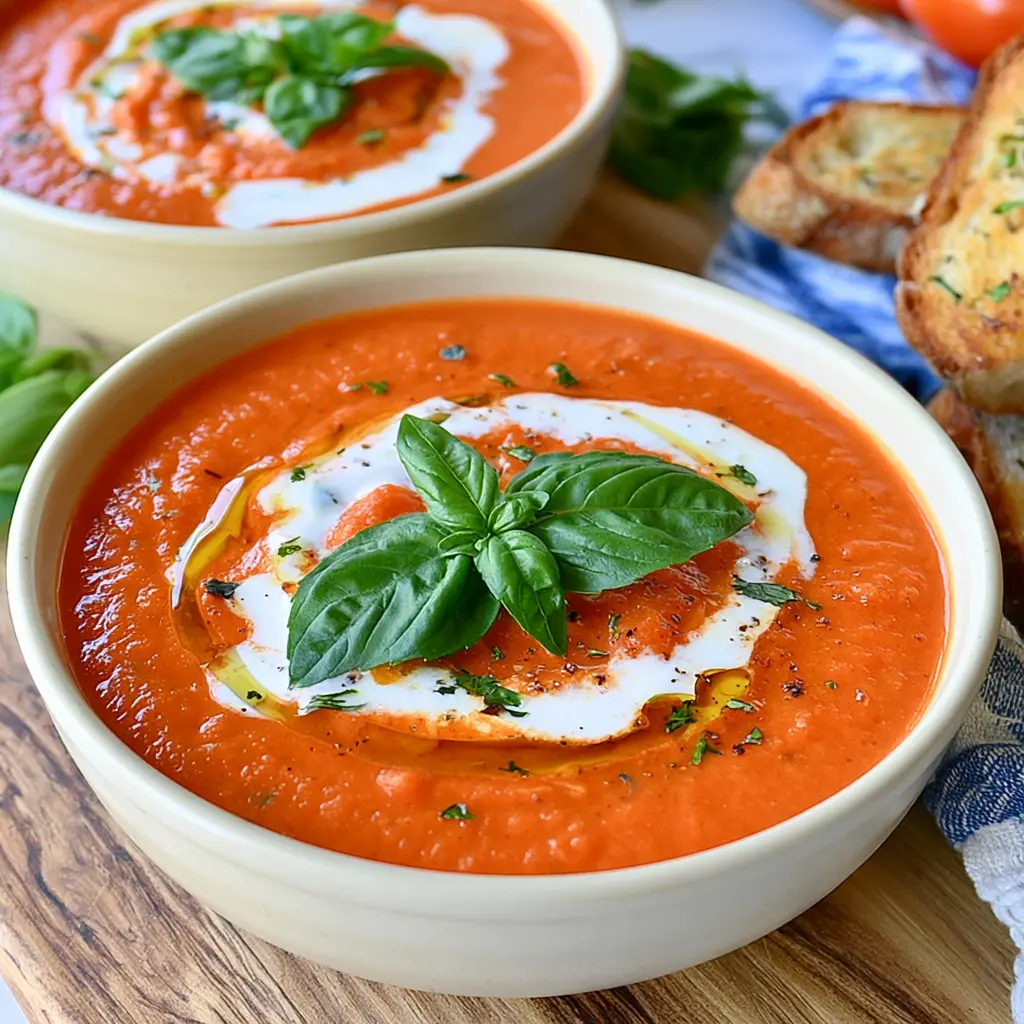
California Roasted Tomato Basil Soup
Ingredients
Method
- Preheat your oven to 450°F. Spread the tomatoes, smashed garlic, and chopped onion on a large rimmed baking sheet. Drizzle with the olive oil, season with salt and pepper, and toss to coat. Roast for 25 to 30 minutes, until the tomatoes blister and the onions soften, then switch to the broiler for 5 to 10 minutes to lightly char the edges.
- While the vegetables roast, pour the broth into a large stockpot and bring it to a rolling boil over high heat.
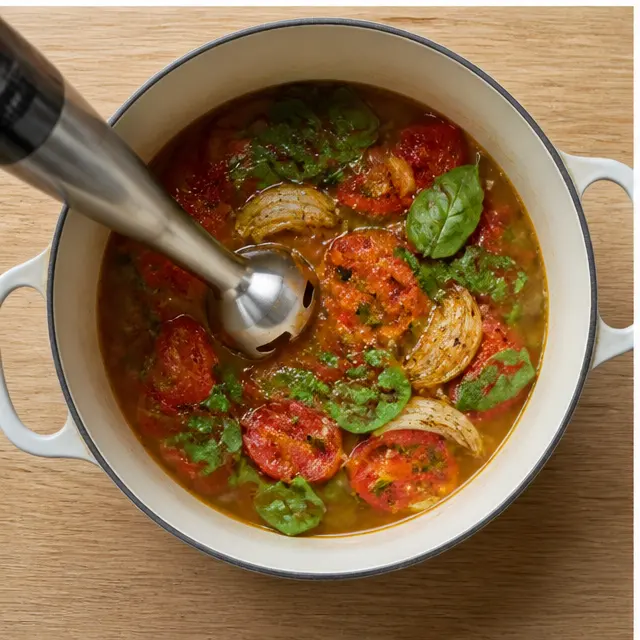
- Scrape the roasted tomato mixture and any accumulated juices into the boiling broth, then add the fresh basil leaves.
- Using an immersion blender, puree the soup until smooth and creamy. If you prefer a richer texture, stir in the coconut milk or heavy cream and heat through.
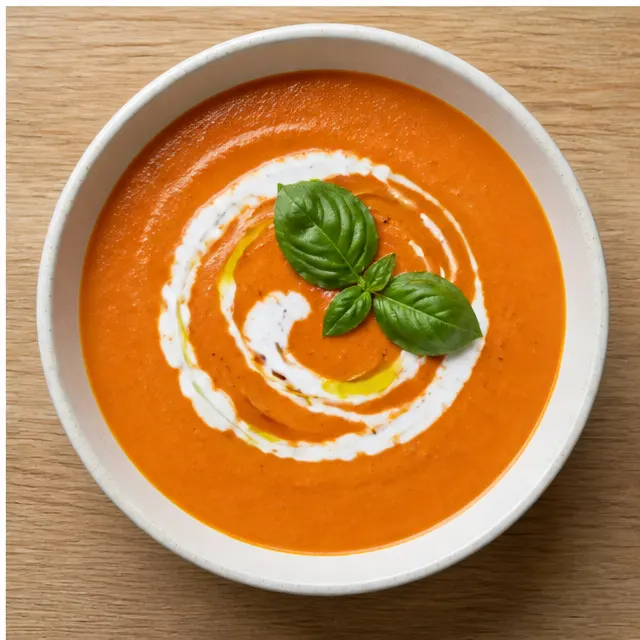
- Ladle the soup into bowls and finish each serving with shredded cheese, sourdough croutons, and a swirl of extra-virgin olive oil.
Nutrition
Notes
Tried this recipe?
Let us know how it was!Why You’ll Love This Roasted Tomato Basil Soup
Honestly? The moment that roasting pan comes out of the oven is pure magic. The tomatoes are blistered, the onions are jammy, and the scent that fills the kitchen makes you want to dip a piece of crusty sourdough bread right into the pan. This is the roasted tomato basil soup that finally tastes like the one from that little bistro you love, not like something from a can.
August tomatoes are exploding right now. If you’re like me, your counter is covered in more ripe, slightly imperfect tomatoes than you know what to do with. That’s exactly why this recipe exists. It’s the smart, low-effort way to turn your garden’s final glorious harvest into a freezer meal you’ll thank yourself for in November.
Here’s what makes this version different:
- Deep, complex flavor. Oven-roasting tomatoes at 450°F caramelizes their natural sugars and concentrates everything, turning a ho-hum tomato soup into something rich and smoky-sweet.
- A silky finish. The optional coconut milk swirl adds a creamy, luxurious texture without weighing things down. You can absolutely use heavy cream instead; both work beautifully.
- It’s flexible. Garden tomatoes, grocery store romas, or even canned tomatoes when it’s February. This soup adapts.
This is one of those meals that feels like a hug in a bowl. And when served alongside a crispy, buttery grilled cheese sandwich, it becomes a dinner your whole family will request on repeat.
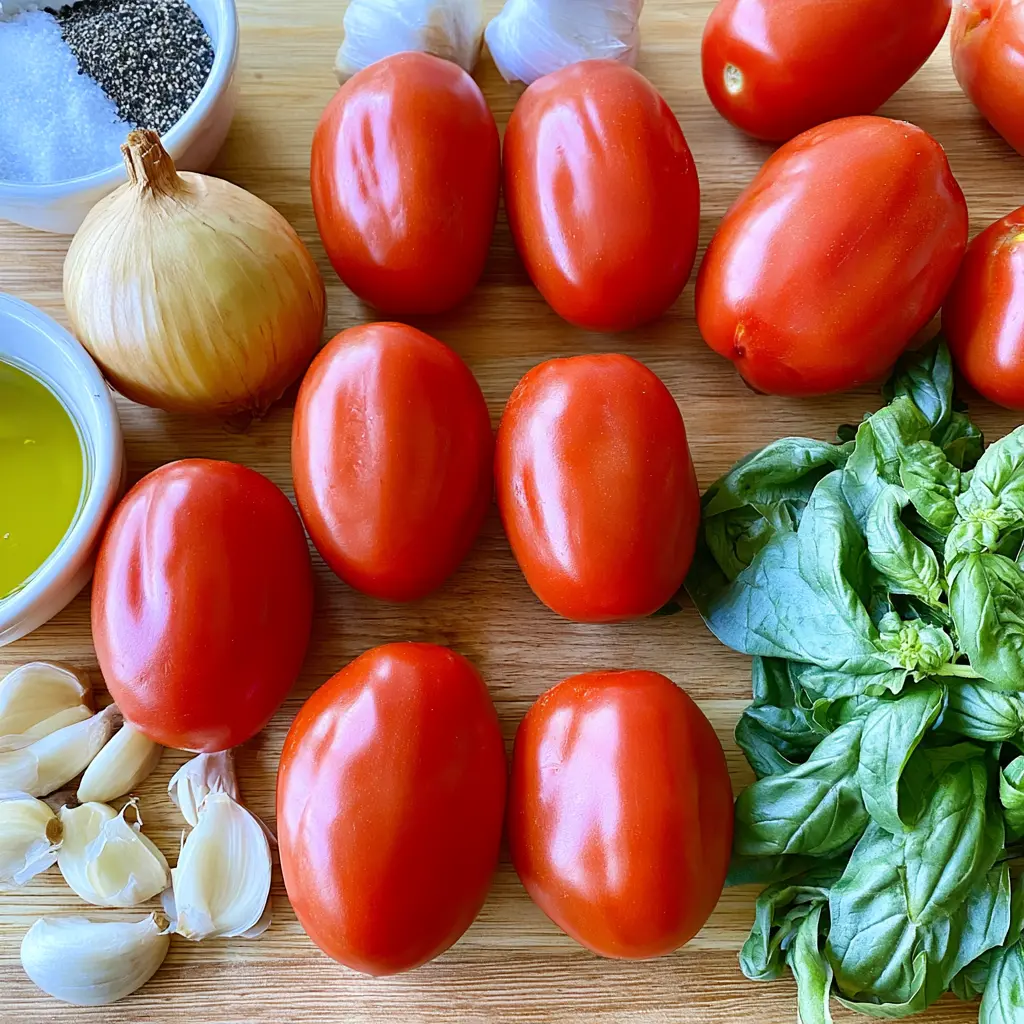
Ingredients for Roasted Tomato Basil Soup
The beauty of this recipe? It’s a short list. You probably already have most of these in your kitchen. But the quality of what you use matters, so let’s talk about the stars of the show.
The tomatoes. This is the one place I don’t compromise. Ripe, organic Roma tomatoes are my absolute favorite for roasting because they’re meaty, have fewer seeds, and their skins char beautifully. If you have heirloom tomatoes or other garden varieties, use them. They’ll all work great as long as they’re ripe, red, and fragrant. Avoid pale, hard, or mushy tomatoes. The flavor of the final soup is only as good as what you roast.
The garlic and onion. Roasted garlic becomes sweet and mellow, almost buttery. Smash your cloves whole and let them caramelize with the tomatoes. A large yellow onion adds sweetness and body when it softens and turns jammy.
Fresh basil. This is non-negotiable. Dried basil simply cannot compete with the bright, peppery flavor of fresh leaves. Add it at the very end of cooking. Too much heat can turn basil bitter, so we keep it gentle here.
Broth. Use chicken broth, bone broth, or vegetable broth for the vegan version. Just try to pick a low-sodium one so you control the salt yourself.
The optional stuff. Coconut milk or heavy cream for that velvety finish. And for serving? Shredded sharp cheddar or Monterey Jack cheese plus sourdough croutons. Pure comfort.
How to Make Roasted Tomato Basil Soup
This comes together in about 50 minutes, and most of that is hands-off roasting time. The oven does the heavy lifting; you just do a little blending at the end. It’s a genius workflow for hot August days when you don’t want to hover over a simmering pot for an hour.
Stage 1: Roast the Vegetables
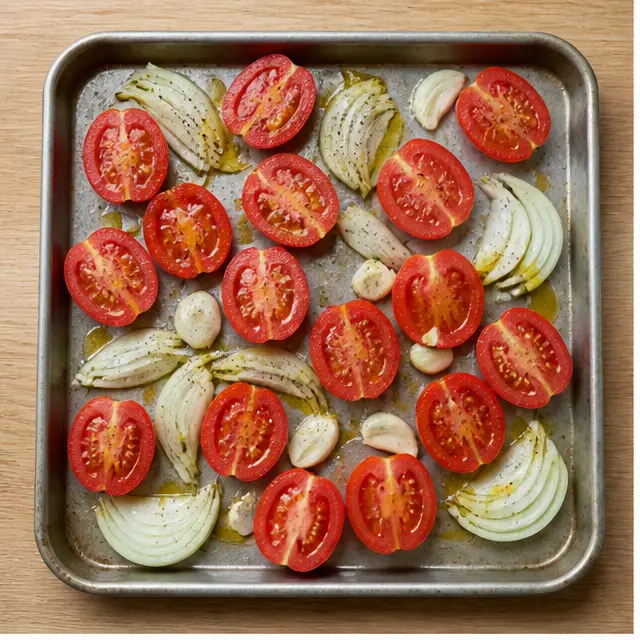
Preheat your oven to 450°F. Spread the tomatoes, smashed garlic, and chopped onion onto a large rimmed baking sheet. This is important, use a rimmed pan so none of those delicious juices escape. Drizzle with olive oil, season generously with kosher salt and freshly ground black pepper, and toss until everything is coated.
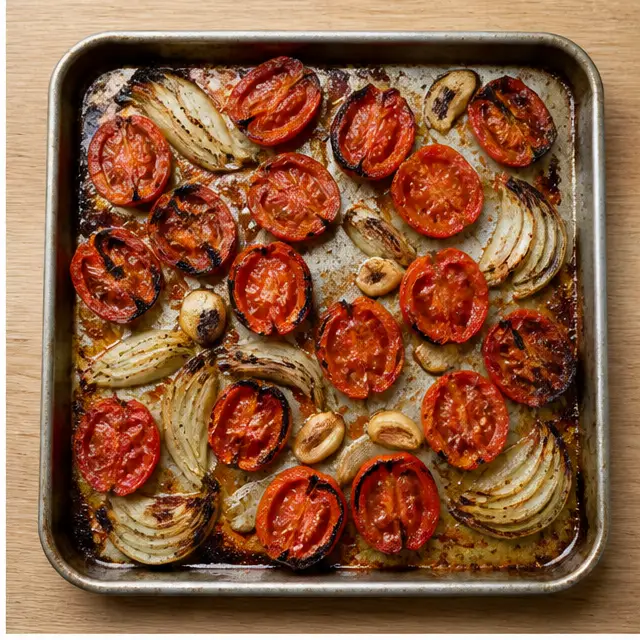
You’ll roast for 25 to 30 minutes until the tomatoes blister and the onions soften. Then, here’s the secret, switch to the broiler for 5 to 10 minutes to lightly char the edges. Keep a close eye on it during this bit. That char is where the complex, slightly smoky flavor comes from, but no one wants a burnt pan. You’re looking for blistered skins and jammy centers.
Stage 2: Heat the Broth
While the vegetables are roasting away, pour your broth into a large stockpot and bring it to a rolling boil over high heat. This little trick is a game-changer. By adding the hot roasted vegetables to boiling broth, you keep everything piping hot, which makes blending safer and smoother.
Stage 3: Combine and Blend
Scrape the entire roasted mixture, including every last accumulated juice from the pan, straight into the boiling broth. Those juices are pure flavor, don’t leave them behind. Add the fresh basil leaves.
Now for the fun part. Using an immersion blender, puree the soup right in the pot until it’s smooth and creamy. This is the tool that makes soup-making so easy. If you don’t have one, a regular blender works fine; just blend in small batches and leave the lid cracked open to let steam escape. A steaming hot liquid in a closed blender can literally explode the lid off, so always vent it.
Don’t overthink the tomato skins either. If you blend thoroughly, they disappear completely into the soup, adding body and fiber. No peeling needed.
Stage 4: Finish and Serve
If you’re using the coconut milk or heavy cream, stir it in now and heat the soup through gently. Just until it’s hot, no need to boil. Warm the cream first and stir it in off the heat. You’ll never see a curdle again.
Taste it. Is it singing? Maybe it needs another pinch of salt. Your tomatoes may be sweeter than mine, so trust your palate. That’s the golden rule of this soup: season it until it tastes amazing to you.
Ladle it into bowls and finish each serving with shredded cheddar, a pile of crispy sourdough croutons, and a final swirl of extra-virgin olive oil.
Tips for the Best Roasted Tomato Basil Soup
After making this soup every single summer, I’ve learned exactly what makes it sing. My first batch was good. My second batch was spectacular once I figured out the char and the blending.
Texture Targets
Know your doneness: The tomatoes are ready when the skins blister and the edges get a nice char. The onion should be soft and caramelized, and the garlic should be easily squashable when you press it with a spoon. That’s when you know the roasting worked its magic.
Use that immersion blender. It’s my number one tool recommendation for this recipe. It’s faster, easier to clean, and you don’t have to risk transferring hot liquid to a blender. If you do use a stand blender, always work in batches with the lid cracked.
Balance the acidity. Even with the best tomatoes, sometimes you need a counterbalance. Warming the cream or coconut milk into the soup naturally rounds out the tang. A pinch of sugar works in a pinch for a super acidic batch, but I usually find the roasting caramelization is enough.
Season in layers. Season the vegetables before roasting, then taste and adjust at the end. Your broth’s salt content changes everything, so if you use a salted broth, start with just 1 tablespoon of kosher salt and add more to taste.
Common mistakes to sidestep:
- Overfilling the blender with hot soup. That’s how you end up with soup on your ceiling. Work in small batches and vent the lid.
- Skipping the char. The broiler step is worth the extra 5 minutes. It adds a subtle smokiness you cannot get any other way.
- Adding basil too early. It will turn bitter if it gets too much heat. Adding it right before blending keeps it bright and fresh.
- Not blending enough. Blend until the soup is completely smooth. You shouldn’t see any chunks of tomato skin when you’re done.
Delicious Variations to Try
This is the part where the recipe becomes yours. The base soup is perfect as written, but it’s also a fantastic canvas for whatever you’re craving that day.
For a richer, creamier texture: Swap the coconut milk for heavy cream or add a tablespoon or two of butter at the very end for extra silkiness. You can also stir in some shredded parmesan cheese if you can’t resist. It melts in beautifully.
For a vegan, dairy-free version: Use vegetable broth and keep the coconut milk. It’s genuinely fantastic. The coconut adds a subtle richness that pairs wonderfully with the charred tomatoes, and you won’t miss the dairy at all. Skip the cheese or use a plant-based alternative.
For a spicy kick: Add a pinch of red pepper flakes to the roasting pan. It’ll infuse the whole soup with a gentle heat.
For extra sweetness: Roast a carrot or red bell pepper along with the tomatoes. It adds another layer of natural sweetness and a touch more color.
No fresh tomatoes? When it’s not August, you can absolutely roast a few cans of whole San Marzano tomatoes. Drain them slightly, spread them on the baking sheet, and follow the same roasting method. It won’t be quite as magical as peak-season garden tomatoes, but it’s far better than any tomato soup from a can.
Storage and Make-Ahead Tips
This is your meal-prep gold right here. A big batch of roasted tomato basil soup is like having a secret weapon in your freezer for busy school nights.
Refrigerate: Store in an airtight container in the fridge for up to 4 to 5 days. It often tastes even better the next day once the flavors have had time to hang out together.
Freeze: Freeze for up to 3 months in airtight, freezer-safe containers. Here’s my pro tip: freeze in single-serve jars or containers so you can pull out just one portion for a quick lunch. You’ll be so glad future-you did this, trust me.
Reheat: Thaw in the fridge overnight, then reheat gently on the stovetop over medium heat, stirring occasionally. Add a splash of broth or water if it’s too thick. Individual portions reheat nicely in the microwave too.
Make ahead: You can also roast the tomatoes, onion, and garlic up to 2 days in advance and keep them in the fridge. When you’re ready for soup, just boil your broth and carry on from there.
And if you want to preserve that summer flavor even longer, this soup is a great candidate for water bath canning if you follow proper safety guidelines. Otherwise, the freezer is your friend.
What to Serve with Roasted Tomato Basil Soup
Soup is wonderful, but soup and a sandwich? That’s a perfect meal. Here are my favorite ways to serve this.
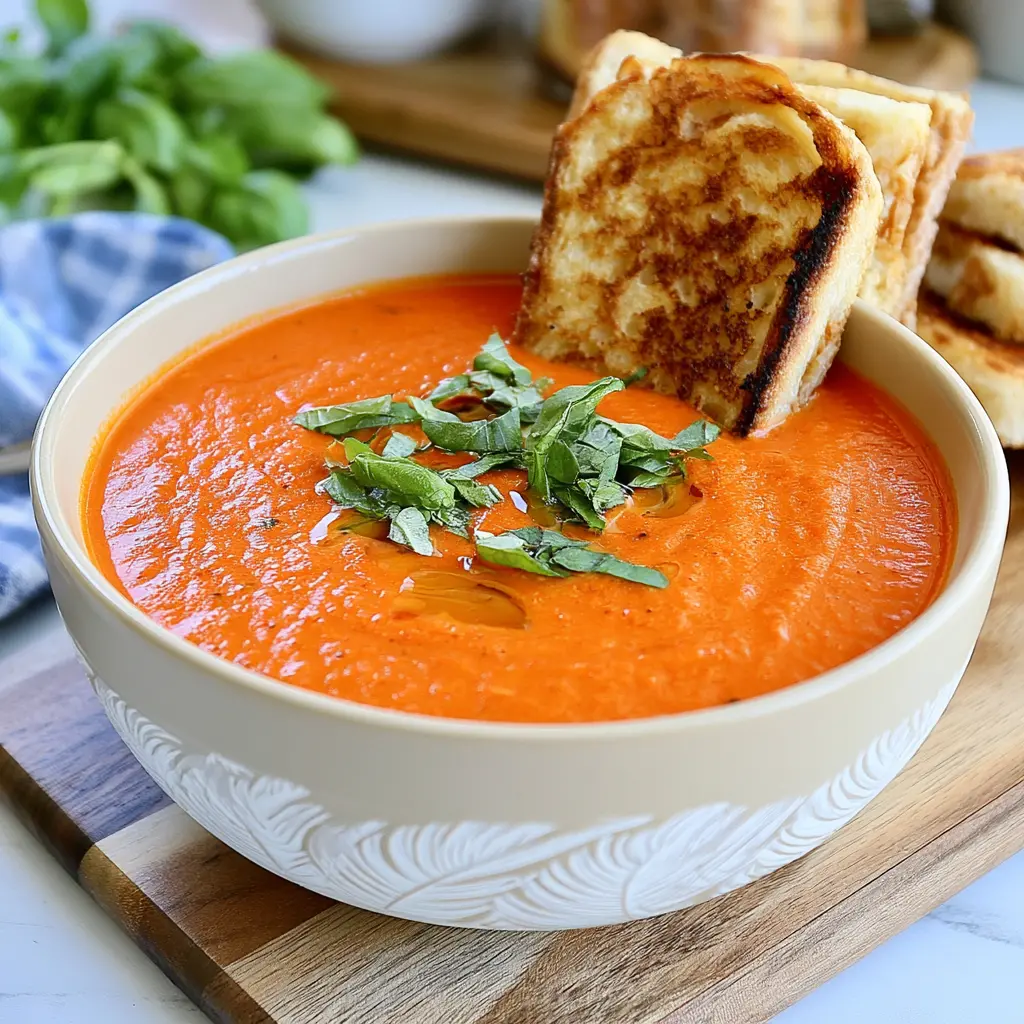
- The classic grilled cheese sandwich. The melty, buttery bread with crisp edges is the ideal partner for dipping into that smooth, creamy soup. It’s the combination that made tomato soup a childhood favorite and an adult comfort classic.
- Crusty sourdough bread. A slice of good bakery bread, toasted or even just warm, is perfect for sopping up those last delicious drops from the bowl.
- A simple green salad. When I want to balance out the cozy carbs, a crisp salad with a bright vinaigrette cuts through the richness of the soup beautifully.
- Cheese and croutons. Speaking of the toppings you already have, don’t skip the shredded sharp cheddar and sourdough croutons. They add a salty crunch that makes every spoonful interesting.
Frequently Asked Questions
Final Thoughts
This roasted tomato basil soup is more than just a recipe, it’s summer in a bowl. It’s the taste of blistered garden tomatoes, the scent of roasted garlic filling your kitchen, and the promise of a warm, cozy dinner waiting in the freezer for those chilly fall evenings.
I hope you make a big, big batch. Freeze it in single-serve jars. Reheat it on a rushed school night. And remember the golden rule: taste everything and adjust until it’s perfect for you.
If you loved this recipe, I’d love for you to share your creation. Head over to my Pinterest board and join the community that’s making soup season a whole lot easier.
Source: Learn More About This Dish