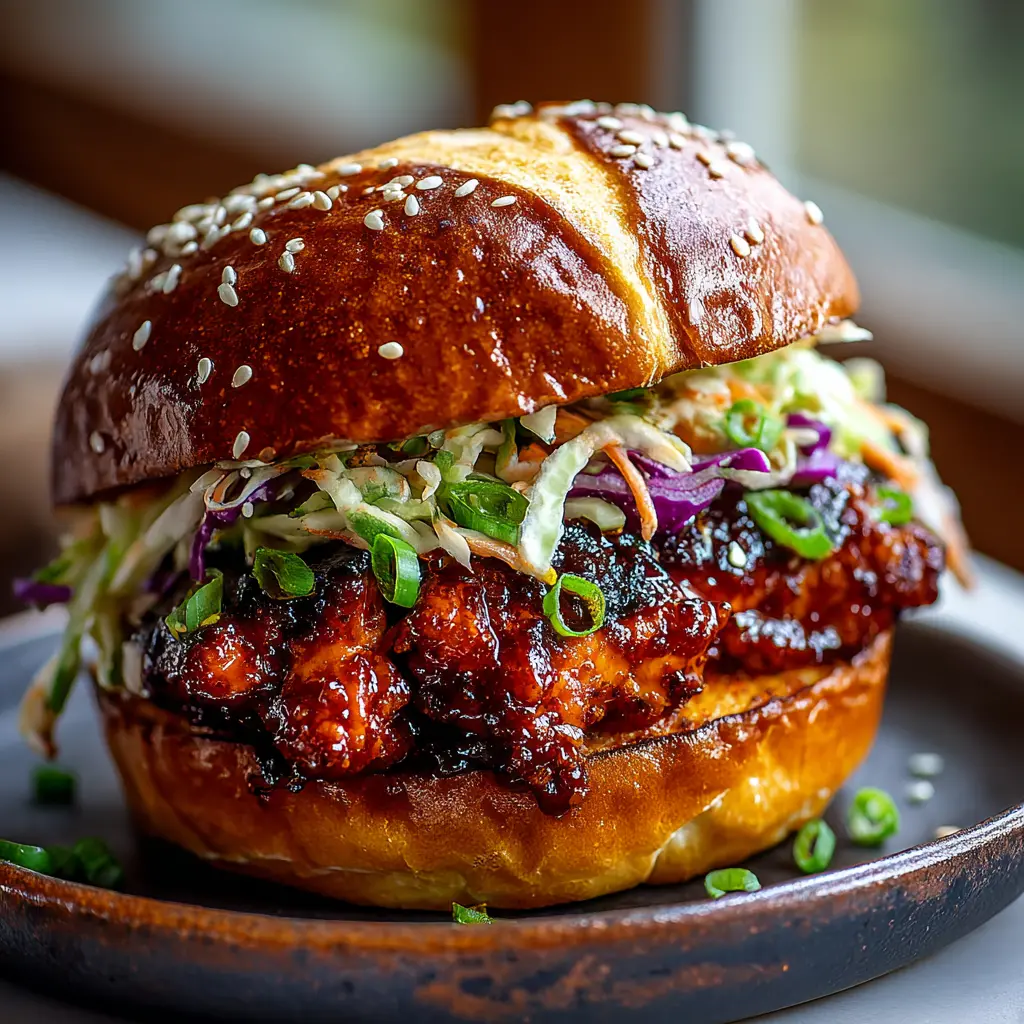
Why This Korean BBQ Chicken Sandwich Works
You know that moment. It’s 7pm on a Tuesday, you’re tired, and suddenly you need a Korean BBQ chicken sandwich. Not a boring burger. Not sad takeout. A real one with that sticky, spicy, caramelized glaze and something crunchy to cut through it all.
This is that recipe. And honestly? It’s faster than ordering delivery. We’re talking 35 minutes from craving to plate.
What makes this Korean BBQ chicken sandwich different from every other chicken sandwich in your rotation? Three things. First, the marinade. Gochujang is the magic paste here – spicy, funky, slightly sweet. Don’t skip it. It’s what gives the chicken that deep, complex flavor you can’t get from a bottle of generic hot sauce. Second, the slaw. A tangy, creamy cabbage slaw with a little rice vinegar kick. It’s cold, it’s crunchy, it balances the heat. Third, the bun. A buttery brioche bun toasted until golden. It holds everything together without getting soggy.
I’ve made this Korean chicken sandwich for picky eaters, for spice lovers, for people who “don’t like fusion food.” It disappears every single time. The charred, glossy chicken, the crunch of the slaw, the soft pillowy bun… it’s a texture party in your mouth.
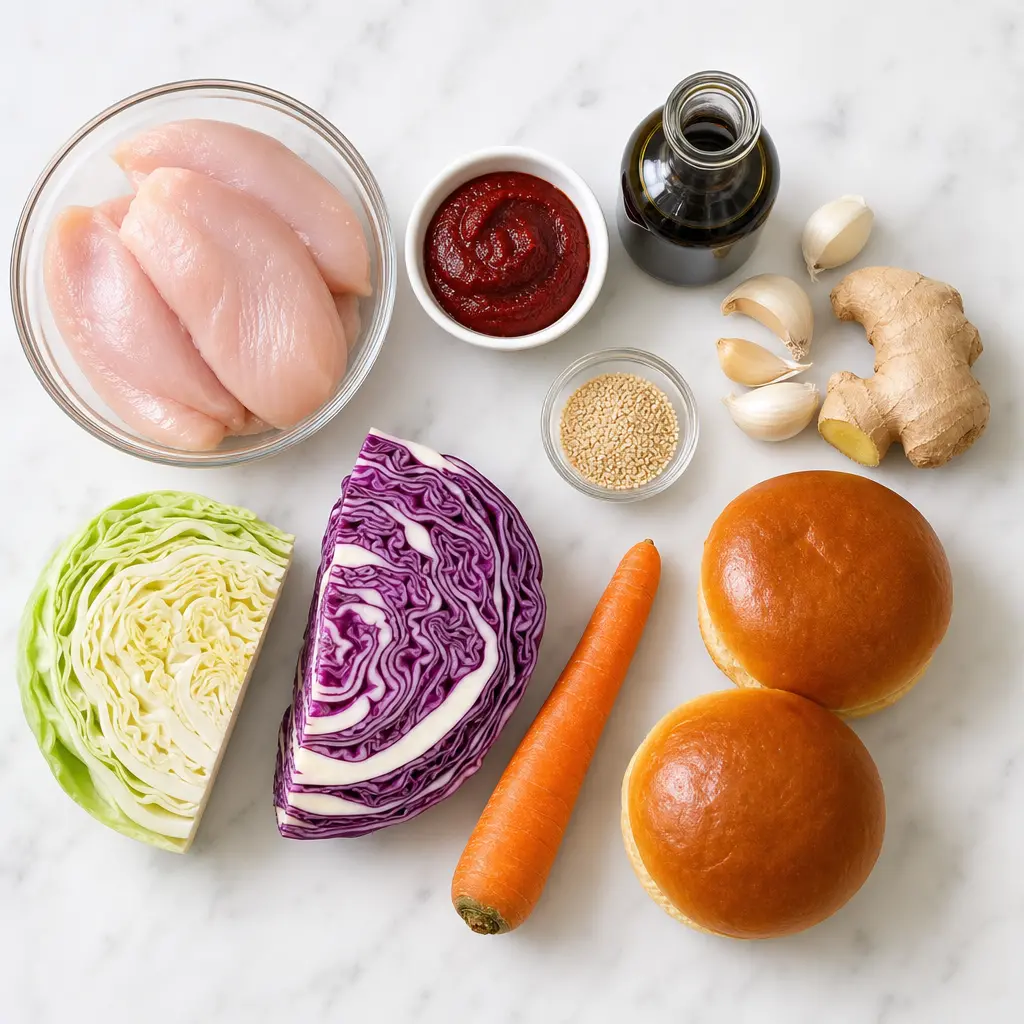
Key Ingredients for the Best Flavor
Let’s talk about what makes this Korean BBQ chicken sandwich sing. You don’t need a pantry full of obscure stuff. Just a few key players.
Gochujang – The Star
Gochujang is a fermented Korean chili paste. It’s thick, red, and packed with umami. Think of it like a spicy, funky miso paste with heat. It’s not just hot – it’s complex. You’ll find it in the international aisle of most grocery stores (Ralphs carries it, so does Whole Foods) or at any Korean market. It keeps in the fridge for months, so it’s a worthwhile investment.
Boneless Chicken Thighs
I use boneless, skinless chicken thighs here. Why? Because they stay juicy. Chicken breast can dry out, especially with the high heat needed for that caramelized glaze. Thighs have a little more fat, which means they stay tender and soak up all that Korean BBQ sauce flavor. Plus, they’re cheaper. Win-win.
The Glaze Team
Soy sauce, brown sugar, honey, rice vinegar, sesame oil, garlic, ginger, and sesame seeds. That’s the crew. The sugar and honey create that sticky, lacquered crust when they hit the hot pan. The rice vinegar cuts through the sweetness. The sesame oil adds that nutty aroma. And garlic and ginger? They’re the backbone of Korean cooking.
The Slaw
Green cabbage, red cabbage, carrot, mayonnaise, rice vinegar, sugar, salt, and pepper. Simple. The mayo makes it creamy, the vinegar keeps it tangy, and the cabbage stays crunchy. It’s the perfect cool counterpoint to the spicy, hot chicken.
Brioche Buns
Brioche or potato buns are my go-to. They’re sturdy enough to hold all that filling, but soft and slightly sweet. Toasting them with butter is non-negotiable. It adds flavor and prevents sogginess.
Equipment You’ll Need
- Cast-iron skillet or grill pan (for that perfect char)
- Meat thermometer (trust me on this one)
- Large bowl for marinating
- Medium bowl for the slaw
- Small bowl for the dressing
- Cutting board and sharp knife
- Box grater (for the carrot)
How to Make Korean BBQ Chicken Sandwich
Alright, let’s get cooking. I’ve broken this down into four main stages. Each one builds on the last, and I’ll tell you exactly what to look for so you nail it every time.
Stage 1: Marinate the Chicken
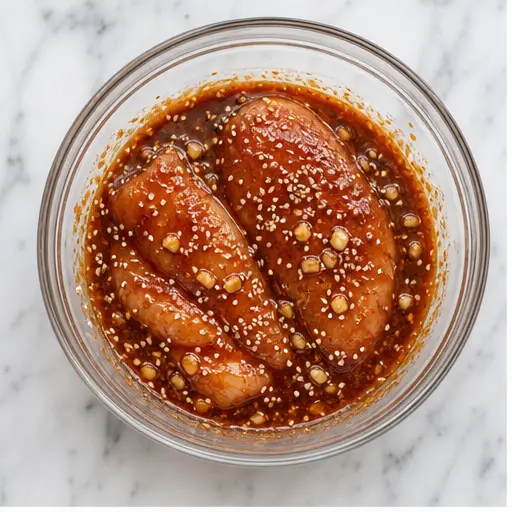
This is where the magic starts. In a medium bowl, whisk together the soy sauce, brown sugar, honey, gochujang, rice vinegar, sesame oil, minced garlic, grated ginger, and toasted sesame seeds. Stir until the sugar dissolves – it should smell like heaven. Add your chicken thighs and toss to coat every piece. Let them sit at room temperature for at least 20 minutes. If you have more time, pop them in the fridge for up to 2 hours. The longer they marinate, the deeper the flavor. But even 20 minutes does the job for a weeknight.
Stage 2: Make the Cabbage Slaw
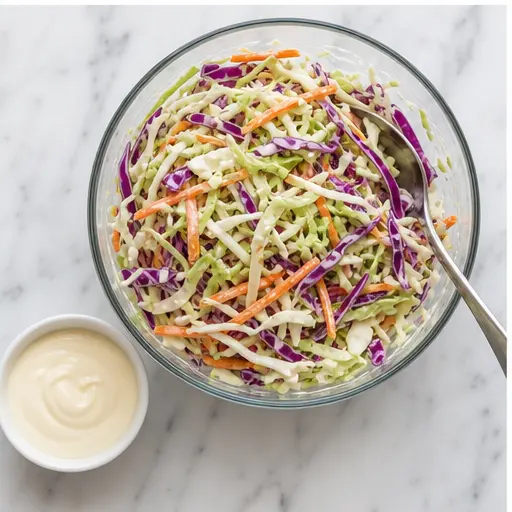
While the chicken marinates, make the slaw. In a large bowl, combine the shredded green cabbage, red cabbage, and grated carrot. In a small bowl, whisk together the mayonnaise, rice vinegar, sugar, salt, and pepper. Pour the dressing over the cabbage mixture and toss to coat. Pop it in the fridge. The cold, crunchy slaw is the perfect contrast to the hot, spicy chicken. You can even make this a day ahead – it gets better as it sits.
Stage 3: Cook the Chicken
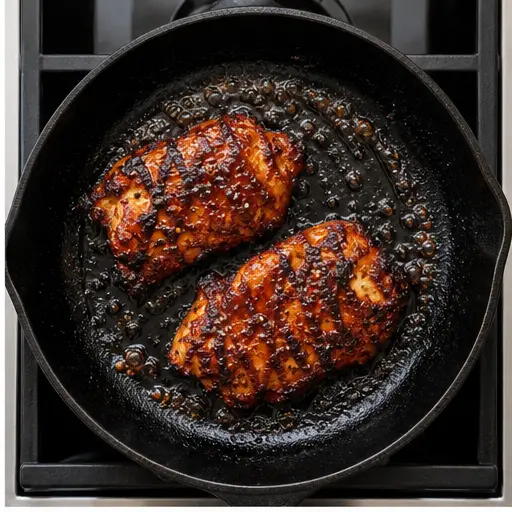
Heat a cast-iron skillet or grill pan over medium-high heat. Lightly oil the pan if needed. Add the marinated chicken thighs in a single layer – don’t crowd the pan, work in batches if you have to. Cook for 6-7 minutes per side. You’re looking for a beautiful charred crust. The sugars in the marinade will create a sticky, caramelized glaze. Use a meat thermometer to check – you want an internal temperature of 165°F. Let the chicken rest on a cutting board for 5 minutes before slicing. This keeps it juicy.
Stage 4: Toast the Buns and Assemble
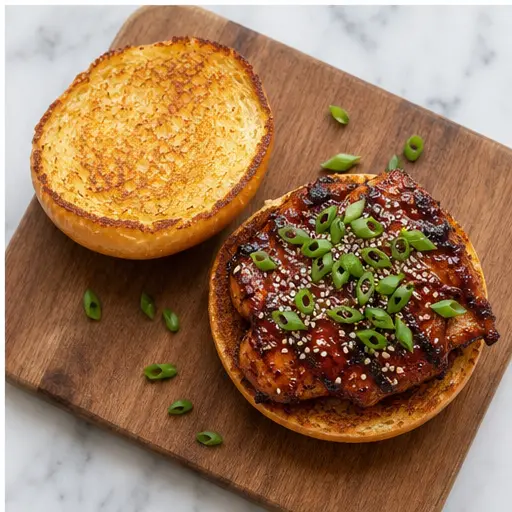
Spread the cut sides of your brioche buns with softened butter. Toast them on the skillet or under the broiler until golden and crisp on the edges. This step is crucial – it prevents sogginess and adds a rich, buttery flavor. Now for the fun part. Place the bottom bun halves on a work surface. Layer on the sliced or whole grilled chicken. Spoon on extra gochujang or Korean BBQ sauce if you want more heat. Top with a generous handful of the chilled cabbage slaw. Crown with the top bun half. Serve immediately while the chicken is still hot and the bun is warm.
Pro Tips for Perfect Results
I’ve made this Korean BBQ chicken sandwich about a dozen times in the last month. Here’s what I’ve learned.
Texture Targets
Listen for the sizzle: When the chicken hits the hot pan, it should sizzle immediately. If it doesn’t, the pan isn’t hot enough. Look for the char: You want deep brown spots on the chicken, not burnt black. The glaze should look sticky and glossy. Smell the garlic and ginger: When you whisk the marinade, you should smell the fragrant combo of garlic, ginger, and sesame. That’s how you know it’s right.
- Don’t burn the sauce. The sugar content in the marinade is high. Watch your heat. Medium-high is perfect. If the pan starts smoking, turn it down.
- Use a thermometer. 165°F is your target. No guesswork. Juicy chicken every time.
- Don’t skip the rest. Let the chicken rest for 5 minutes after cooking. This redistributes the juices so they don’t run out when you bite into the sandwich.
- Toast the buns. Seriously. It’s the difference between a soggy mess and a perfect sandwich.
- Make the slaw ahead. It actually gets better after a few hours in the fridge. The flavors meld, and the cabbage stays crunchy.
- Double the marinade. If you want extra sauce for drizzling, make a double batch. Reserve half before adding the chicken, then brush it on the cooked chicken before serving.
Variations to Try
This chicken sandwich recipe is super adaptable. Here are a few ways to switch it up.
- Gluten-free: Use tamari instead of soy sauce and gluten-free buns. The rest of the ingredients are naturally gluten-free.
- Spicier: Add a teaspoon of gochugaru (Korean chili flakes) to the marinade, or drizzle with sriracha before serving.
- Milder: Halve the gochujang and add an extra tablespoon of honey. The kids will love it.
- Lettuce wraps: Skip the buns and serve the chicken and slaw in butter lettuce cups. Light and fresh.
- Sliders: Use sweet Hawaiian rolls for mini Korean BBQ chicken sandwiches. Perfect for parties.
Storage and Reheating
If you have leftovers (unlikely, but possible), here’s how to handle them.
- Store components separately. Keep the chicken, slaw, and buns in separate airtight containers in the fridge. The chicken and slaw last up to 3 days. The buns are best used within a day.
- Reheat the chicken in an air fryer at 350°F for 6 minutes. It brings back the crispiness. You can also use a skillet over medium heat.
- Reheat the buns in the microwave for 30 seconds, or toast them again.
- Don’t assemble until serving. A soggy sandwich is a sad sandwich. Assemble right before you eat.
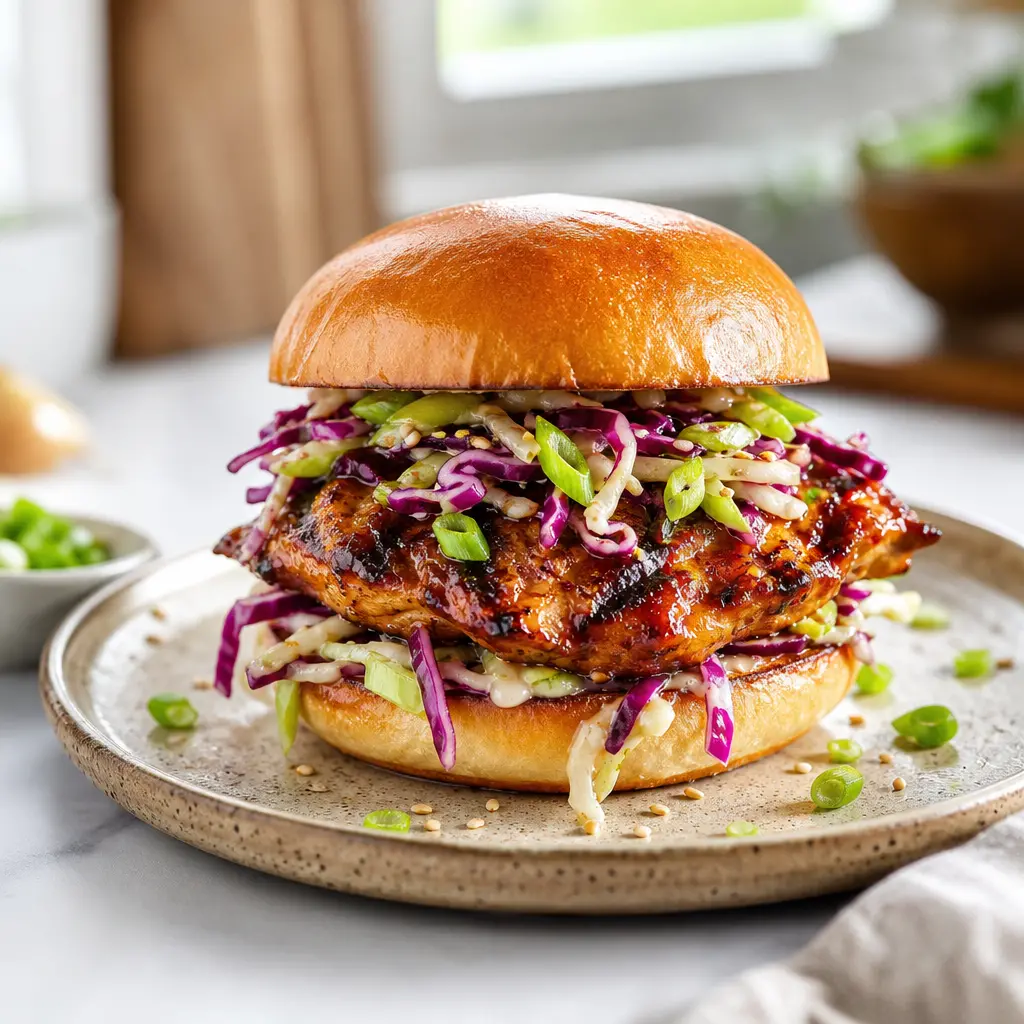
Make this Korean BBQ chicken sandwich for your next backyard cookout and watch it disappear. It’s the dish that stands out among the burgers and hot dogs. Your friends will ask for the recipe. Trust me.
And if you’re looking for more inspiration, check out our Korean BBQ chicken sandwich pin on Pinterest – it’s full of tips and serving ideas.
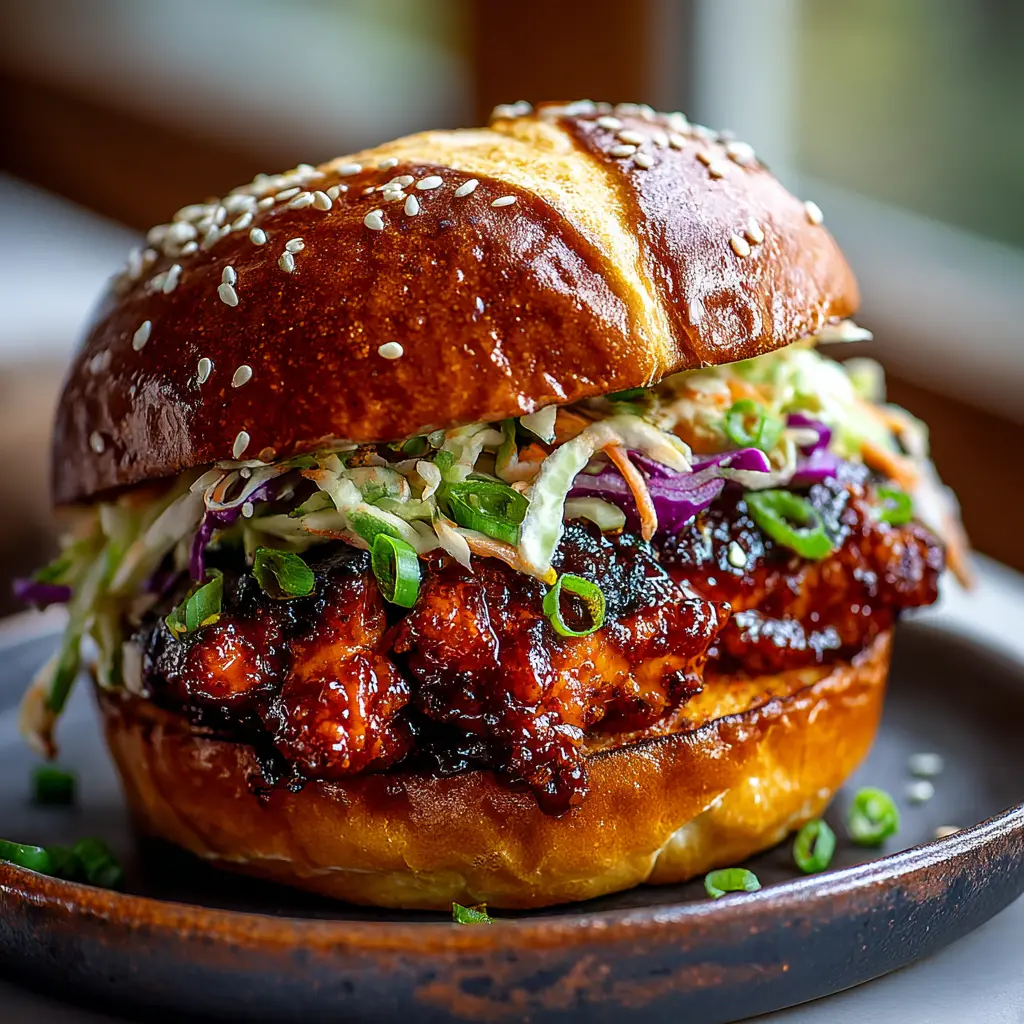
California Korean BBQ Chicken Sandwich with Crunchy Slaw
Ingredients
Method
- In a medium bowl, whisk together the soy sauce, brown sugar, honey, gochujang, rice vinegar, sesame oil, garlic, ginger, and sesame seeds until the sugar dissolves. Add the chicken thighs and toss well to coat. Let the chicken marinate at room temperature for at least 20 minutes, or refrigerate up to 2 hours for deeper flavor.
- While the chicken marinates, prepare the slaw. In a large bowl, combine the shredded green cabbage, red cabbage, and grated carrot. In a small bowl, whisk together the mayonnaise, rice vinegar, sugar, salt, and pepper until smooth. Pour the dressing over the cabbage mixture and toss to coat evenly. Refrigerate until ready to serve—the crisp, tangy slaw balances the rich, spicy chicken beautifully.
- Heat a cast-iron skillet or grill pan over medium-high heat. Lightly oil the pan if needed. Add the marinated chicken thighs in a single layer (work in batches if necessary) and cook for 6–7 minutes per side, until nicely charred and cooked through (internal temperature reaches 165°F). The sugars in the marinade will create a beautiful caramelized crust.
- Transfer the cooked chicken to a cutting board and let rest for 5 minutes before slicing or leaving whole for the sandwiches.
- Spread the cut sides of the buns with softened butter. Toast them on the skillet or under the broiler until golden and crisp on the edges. This step prevents sogginess and adds a rich, buttery texture.
- Place the bottom bun halves on a work surface. Layer on the sliced or whole grilled chicken. Spoon on extra gochujang or Korean BBQ sauce if desired, then top with a generous handful of the chilled cabbage slaw. Crown with the top bun half and serve immediately while hot.
Nutrition
Notes
Tried this recipe?
Let us know how it was!Frequently Asked Questions
Source: Nutritional Information